
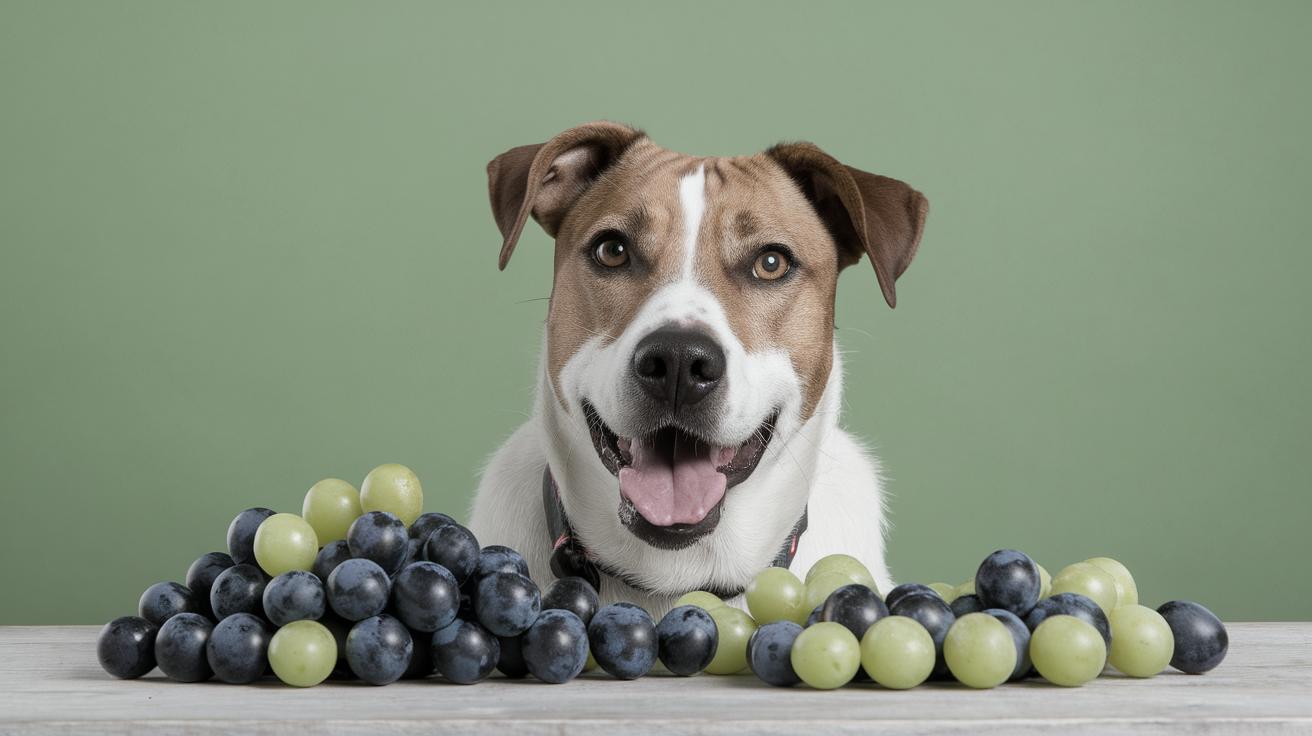
Can Dogs Eat Grapes? A Comprehensive Guide for Pet Owners
Grapes are toxic to dogs and can cause fatal kidney failure – even a single grape poses serious health risks. This comprehensive guide covers everything pet owners need to know about grape toxicity, emergency response protocols, and prevention strategies to keep your canine companion safe.
Can dogs eat grapes?
No, dogs cannot eat grapes under any circumstances. While grapes serve as a nutritious snack for humans, they represent one of the most dangerous foods for canine consumption. The stark contrast between human and canine metabolism creates a potentially lethal situation when dogs ingest these seemingly innocent fruits.
Veterinary toxicologists and canine nutrition experts universally agree that all grape varieties should be completely eliminated from your dog’s environment. The unpredictable nature of grape toxicity means that what appears harmless can trigger acute renal failure within hours of consumption.
Are grapes bad for dogs?
Grapes are extremely dangerous for dogs due to their nephrotoxic properties that specifically target kidney function. Unlike humans who can safely metabolize grape compounds, dogs lack the enzymatic pathways necessary to process these toxic substances effectively.
The severity of grape poisoning varies dramatically between individual dogs, with factors including body weight, age, overall health status, and genetic predisposition influencing toxicity levels. Even dogs who have previously consumed grapes without apparent symptoms remain at risk for future toxic reactions.
Are grapes poisonous to dogs?
Yes, grapes are highly poisonous to dogs and classified as a Category A toxin by veterinary poison control centers. The toxic mechanism involves damage to renal tubular cells, leading to acute kidney injury that can progress to complete renal failure within 24-72 hours.
Clinical studies from 2024 indicate that grape-induced nephrotoxicity affects approximately 50% of dogs who consume grapes, with mortality rates reaching 30% in untreated cases. This alarming statistic underscores the critical importance of immediate veterinary intervention following any grape ingestion.
Why are grapes bad for dogs?
The exact toxic compound in grapes remains unidentified, but research from Cornell University’s College of Veterinary Medicine suggests tartaric acid and potassium bitartrate as primary suspects. These naturally occurring substances appear to overwhelm canine renal filtration systems, causing cellular damage and inflammatory responses.
Breed-specific sensitivities have been documented, with smaller breeds and senior dogs showing increased vulnerability to grape toxicity. The idiosyncratic nature of this poisoning means that no safe threshold exists – any amount of grape consumption should be treated as a medical emergency.
Toxic mechanism and pathophysiology
Grape toxicity triggers a cascade of cellular events beginning with proximal tubular necrosis in the kidneys. The toxic compounds cause oxidative stress and mitochondrial dysfunction, leading to cellular death and subsequent kidney failure.
Advanced diagnostic imaging reveals that affected dogs develop acute tubular necrosis within 6-12 hours of ingestion. This rapid progression explains why immediate veterinary intervention is crucial for positive outcomes.
What types of grapes are dangerous to dogs?
All grape varieties pose equal danger to dogs, including red grapes, green grapes, purple grapes, seedless varieties, and organic options. The toxic compounds are present throughout the fruit, making no distinction between skin, flesh, or seeds in terms of toxicity levels.
Raisins, sultanas, and currants represent concentrated forms of grape toxicity and are often more dangerous due to their dehydrated state. Grape juice, wine, and grape-flavored products also contain sufficient toxic compounds to cause poisoning in susceptible dogs.
Regional grape varieties and toxicity levels
International studies have confirmed that geographic origin does not affect toxicity – grapes from California, Europe, Australia, and South America all pose equal risks. Wild grapes and ornamental grape varieties also contain the same toxic compounds as commercial varieties.
Foods that contain grapes
Common household foods containing grapes include fruit salads, trail mix, granola bars, muffins, cookies, and breakfast cereals. Hidden grape ingredients often appear in processed foods under names like grape extract, grape flavoring, or natural fruit flavors.
Holiday foods present particular risks, with fruitcakes, stuffing, and festive desserts frequently containing raisins or grape products. Pet owners must scrutinize ingredient labels and maintain vigilance during social gatherings where these foods are commonly served.
Commercial pet food contamination risks
While rare, some commercial pet treats have been recalled due to accidental grape contamination during manufacturing processes. Always purchase pet food from reputable manufacturers who follow strict quality control protocols.
How long after eating grapes will a dog become sick?
Symptoms typically appear within 6-24 hours of grape consumption, though some dogs may show signs as early as 2 hours or as late as 72 hours post-ingestion. The delayed onset often complicates diagnosis and treatment, making immediate veterinary consultation essential regardless of symptom presence.
Early intervention during the asymptomatic period significantly improves prognosis and can prevent progression to acute kidney failure. Time-sensitive treatments like induced vomiting and activated charcoal administration are most effective within the first 2-4 hours.
Timeline of grape toxicity progression
Phase 1 (0-6 hours): Gastrointestinal symptoms including vomiting, diarrhea, and abdominal pain. Phase 2 (6-24 hours): Apparent recovery period with reduced symptoms. Phase 3 (24-72 hours): Onset of kidney failure with increased thirst, urination changes, and lethargy.
Symptoms of grape poisoning in dogs
Early symptoms include repeated vomiting, diarrhea, loss of appetite, abdominal pain, and unusual lethargy. Dogs may also exhibit excessive drooling, difficulty breathing, and signs of dehydration such as dry gums and reduced skin elasticity.
Advanced symptoms indicating kidney involvement include increased thirst (polydipsia), changes in urination patterns, weakness, tremors, and seizures. The progression from early to advanced symptoms can occur rapidly, emphasizing the need for immediate veterinary care.
Breed-specific symptom variations
Smaller breeds like Chihuahuas and Yorkshire Terriers may show more pronounced neurological symptoms, while larger breeds often present primarily with gastrointestinal distress initially. Senior dogs frequently develop complications more rapidly than younger animals.
Emergency warning signs requiring immediate intervention
Critical symptoms requiring emergency veterinary care include persistent vomiting lasting more than 2 hours, bloody diarrhea, difficulty breathing, collapse, seizures, or complete loss of appetite. These signs indicate potential systemic toxicity requiring intensive treatment.
When to contact your vet for advice
Contact your veterinarian immediately upon any suspected grape ingestion, regardless of the amount consumed or presence of symptoms. The ASPCA Animal Poison Control Center (1-888-426-4435) provides 24/7 emergency consultation for toxicity cases.
Prepare essential information before calling: your dog’s weight, the estimated quantity of grapes consumed, time of ingestion, and any observed symptoms. This information helps veterinarians determine the most appropriate treatment protocol for your specific situation.
Emergency veterinary services and poison control resources
Many veterinary clinics offer after-hours emergency services specifically for toxicity cases. Pet Poison Helpline (1-855-764-7661) and ASPCA Poison Control provide expert guidance and can coordinate care with your local veterinarian.
Can a single grape kill a dog?
Yes, even one grape can be fatal to sensitive dogs, particularly small breeds or those with pre-existing kidney conditions. Case studies document severe toxicity reactions from single grape consumption, with some dogs requiring intensive care and dialysis treatment.
The minimum toxic dose has not been established because individual sensitivity varies so dramatically. This uncertainty reinforces the zero-tolerance approach recommended by veterinary toxicologists worldwide.
Case studies and documented fatalities
Veterinary literature includes documented cases of fatal outcomes from single grape ingestion in dogs weighing less than 10 pounds. These cases highlight the unpredictable nature of grape toxicity and the importance of treating every exposure as potentially life-threatening.
My dog ate a grape, what should I do?
Take immediate action: Contact your veterinarian or emergency animal hospital immediately. Do not wait for symptoms to appear, as early intervention significantly improves outcomes. Remove any remaining grapes from your dog’s reach and gather information about the ingestion for the veterinary team.
Do not induce vomiting unless specifically instructed by a veterinary professional, as improper technique can cause additional complications. Keep your dog calm and monitor for any changes in behavior or physical condition while awaiting professional guidance.
Emergency first aid protocols
While awaiting veterinary care, ensure your dog has access to fresh water but do not force drinking. Document the time of ingestion, estimated quantity consumed, and any symptoms observed. This information is crucial for determining treatment protocols.
My dog ate a grape but seems fine, what should I do?
Seek veterinary advice immediately even if your dog appears normal, as the absence of immediate symptoms does not indicate safety. The delayed onset of grape toxicity means that serious complications can develop 24-72 hours after ingestion.
Continue monitoring your dog closely for the next 72 hours, watching for subtle changes in appetite, energy levels, drinking habits, and urination patterns. Preventive treatment administered during the asymptomatic period is far more effective than reactive treatment after symptoms develop.
Monitoring protocols for asymptomatic dogs
Establish a monitoring schedule checking your dog every 2-4 hours for the first 24 hours, then every 6-8 hours for the following 48 hours. Document water consumption, urination frequency, appetite, and activity levels to provide comprehensive information to your veterinarian.
My dog eats grapes all the time, should I stop feeding them?
Stop feeding grapes immediately and consult your veterinarian about potential cumulative toxicity effects. Regular grape consumption may cause subclinical kidney damage that could manifest as chronic kidney disease later in your dog’s life.
Schedule a comprehensive veterinary examination including blood chemistry panels to assess current kidney function. Baseline kidney values will help monitor for any future changes and establish your dog’s current health status.
Safe fruit alternatives for dogs
Dog-safe fruits include blueberries, strawberries, apple slices (without seeds), bananas, and watermelon. These alternatives provide similar nutritional benefits without the toxic risks associated with grapes.
How to prevent your dog from being poisoned
Environmental management is crucial for prevention – store all grapes and grape products in secure, dog-proof containers or high cabinets. Educate all family members and visitors about the dangers of feeding grapes to dogs, even as treats.
Implement positive reinforcement training using commands like “leave it” and “drop it” to prevent accidental ingestion of forbidden foods. Regular training sessions reinforce these life-saving commands and improve overall safety.
Household safety protocols
Establish grape-free zones in your home, particularly in areas where your dog spends time unsupervised. Install child-proof latches on cabinets containing grape products and maintain awareness during meal preparation and cleanup.
Training techniques for food avoidance
Professional dog trainers recommend impulse control exercises that teach dogs to wait for permission before consuming any food. These techniques create reliable behavioral patterns that can prevent accidental poisoning incidents.
Think your dog may be affected?
Trust your instincts – if you suspect grape poisoning, seek immediate veterinary attention even if symptoms seem mild or intermittent. Early intervention can mean the difference between full recovery and permanent kidney damage or death.
Document all observations including timeline of events, symptoms noticed, and your dog’s response to the incident. This information helps veterinarians make accurate diagnoses and develop effective treatment plans.
Diagnostic procedures and treatment options
Veterinary treatment may include induced vomiting, activated charcoal administration, IV fluid therapy, and kidney function monitoring. Advanced cases might require dialysis or other intensive care interventions depending on the severity of toxicity.
The best lifetime dog insurance
Comprehensive pet insurance can cover emergency treatments for grape poisoning, which can cost $1,500-$5,000 or more depending on the severity and required interventions. Top-rated insurance providers include Healthy Paws, Petplan, and Embrace, each offering different coverage levels for toxicity emergencies.
Look for policies that include emergency care coverage, diagnostic testing, and specialized treatments like dialysis. Many policies also cover preventive care and training services that can help prevent poisoning incidents.
Insurance coverage for toxicity emergencies
Premium insurance plans typically cover 80-90% of emergency treatment costs after deductibles. Some providers offer specific toxicity riders that provide enhanced coverage for poisoning incidents, including follow-up care and monitoring.
Find a vet near you
Establish relationships with both a primary veterinarian and an emergency animal hospital before you need them. Research local veterinary services that offer 24/7 emergency care and have experience treating toxicity cases.
Many veterinary clinics now offer telemedicine consultations for initial assessments, which can provide immediate guidance while you transport your dog for in-person treatment. Keep contact information easily accessible in your phone and posted in your home.
Emergency veterinary services evaluation criteria
Choose emergency clinics with board-certified emergency veterinarians, on-site diagnostic capabilities, and intensive care facilities. These resources are essential for managing severe toxicity cases that require immediate intervention and ongoing monitoring.
Find a dog trainer or behaviourist
Professional dog trainers certified by organizations like CCPDT (Certification Council for Professional Dog Trainers) can teach essential safety commands that prevent accidental poisoning. Positive reinforcement training methods are most effective for establishing reliable food avoidance behaviors.
Look for trainers with specific experience in impulse control and safety training. Many offer specialized programs designed to teach dogs to avoid dangerous foods and respond reliably to emergency commands.
Behavioral modification for food safety
Counter-conditioning techniques can help dogs develop automatic avoidance responses to dangerous foods. These training methods create positive associations with leaving forbidden items alone, making safety behaviors more reliable over time.
Lessons Learned
| Section | Key Points |
|---|---|
| Can dogs eat grapes? | Grapes should be avoided in a dog’s diet due to potential harm. |
| Are grapes bad for dogs? | Grapes pose a range of risks regardless of quantity. |
| Are grapes poisonous? | Grapes can lead to acute kidney failure and require prevention efforts. |
| Preventive Steps | Securely store grapes out of reach and engage professionals for vet care and training. |