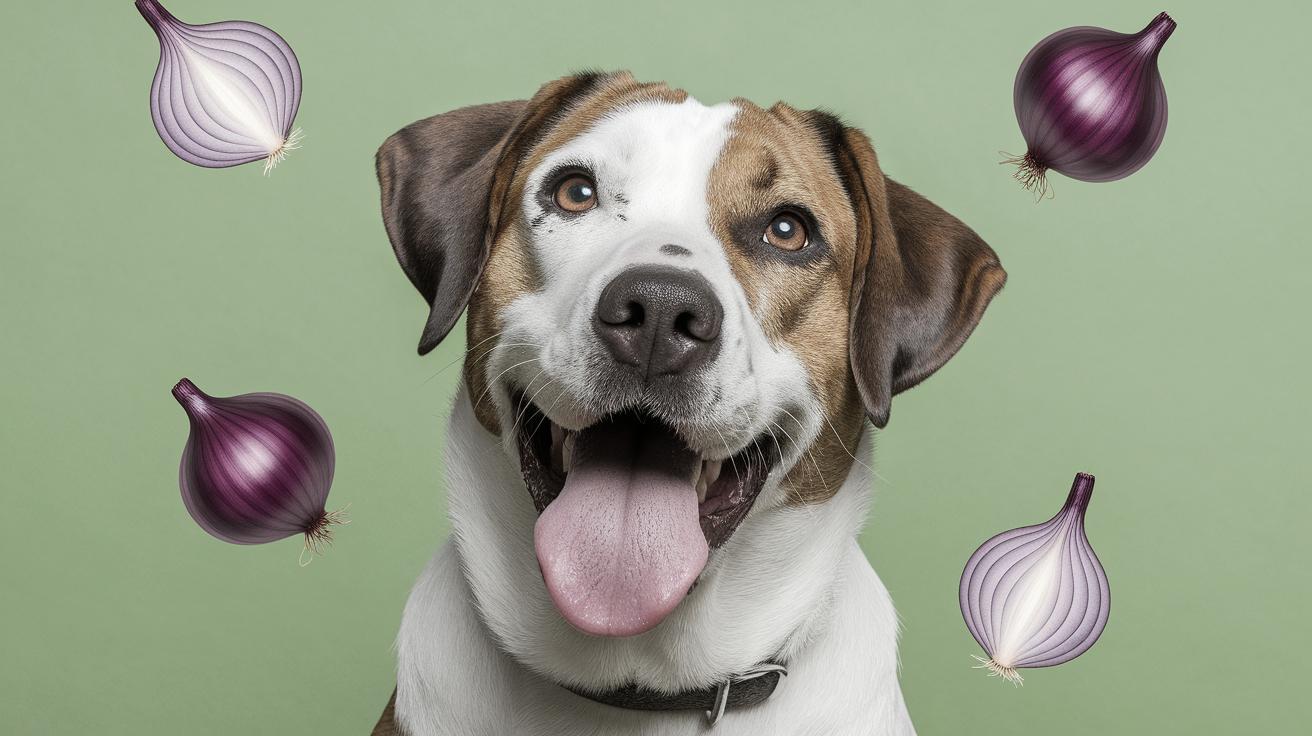
Are Onions Bad for Dogs?
Onions are a staple in many human meals, providing a burst of flavor and depth to recipes from around the world. However, as pet owners, it’s crucial to understand the implications of sharing onion-laden recipes with our furry companions. This blog post investigates the potential hazards onions pose to dogs, explores the symptoms of onion toxicity, and provides guidance on how to respond if your dog consumes onions. We’ll also discuss preventive measures, safe vegetable alternatives for dogs, and introduce a selection of ADVENTUROS® dog treats that will satisfy your pet without compromising their health.
How bad are onions for dogs?
Onions, along with garlic, shallots, and other members of the Allium family, contain compounds that are toxic to dogs. The primary compound responsible for this toxicity is called thiosulfate, which dogs are unable to digest effectively. When they ingest onions, it can lead to oxidative damage to red blood cells, causing them to rupture and resulting in a condition known as hemolytic anemia.
It’s important to recognize that all parts of the onion plant, including the flesh, juice, and even the processed powders, contain these harmful substances. Even a small amount of onion can have adverse effects on a dog, with toxicity severity depending on the size of the dog and the amount consumed. Therefore, the best practice is to avoid feeding your dog any amount of onion, whether raw, cooked, or in powdered form.
Can dogs eat cooked onions?
While it might seem logical to assume that cooked onions would be less harmful due to being processed, cooking does not eliminate the dangerous thiosulfate compounds. Whether boiled, fried, or grilled, cooked onions remain poisonous to dogs and should be kept out of their reach.
It’s also crucial to be cautious with foods that might contain onions as part of an ingredient list, such as soups, stews, or gravies. Pet owners must always read labels carefully and avoid sharing any table scraps with unknown potential onion content to protect their pets from harmful exposure.
Symptoms of onion toxicity
The signs of onion toxicity in dogs may not appear immediately and can take several days to manifest. One of the earliest indicators is gastrointestinal upset, which commonly includes vomiting and diarrhea. As the red blood cells become more damaged, signs of anemia, such as lethargy, weakness, decreased appetite, and pale gums, begin to appear.
In severe cases, dogs might exhibit rapid heart rate, panting, and even collapse—a serious medical emergency that requires immediate veterinary attention. Recognizing these symptoms early is vital for a favorable outcome and minimizing long-term health issues.
What do I do if my dog has eaten onions?
If you suspect or witness your dog eating onions, it’s essential to act quickly. Contact your veterinarian for advice, as they will assess the situation based on the quantity of onion ingested and your dog’s size and overall health condition.
Do not attempt to induce vomiting or administer home remedies without professional guidance, as this could potentially cause more harm. Depending on the situation, the veterinarian might instruct you to bring your pet in for immediate treatment or monitor them at home with specific instructions.
How are dogs treated for onion toxicity?
Treatment for onion toxicity in dogs mainly focuses on stabilizing the animal and preventing further damage. If ingestion is recent, the vet might induce vomiting or use activated charcoal to prevent absorption of the toxins in the digestive tract. In more severe cases, dogs with hemolytic anemia may require hospitalization, fluid therapy, and, in extreme situations, blood transfusions.
Recovery largely depends on the amount of onion consumed and how promptly treatment is initiated. With quick and adequate medical intervention, most dogs recover completely, although follow-up appointments and blood tests might be necessary to ensure their condition stabilizes.
Preventing onion toxicity
Prevention of onion toxicity in dogs hinges on being vigilant about your pet’s diet and keeping all onion-based foods firmly out of reach. Educate household members and guests about the risks of feeding onions to dogs and establish firm rules regarding table scraps.
Be particularly careful during festive occasions, where sharing food with pets is tempting. Ensuring that your pet only receives food and treats specifically designed for them is the best way to avoid accidental poisoning.
What vegetables can dogs eat?
Although onions are off-limits, there are plenty of healthy vegetables dogs can enjoy. Safe options include carrots, peas, green beans, sweet potatoes, and cucumbers, all of which can provide your dog with vitamins and fiber. Always introduce new foods gradually and in moderation, observing your pet for any adverse reactions.
Steaming or boiling these vegetables without seasoning is preferable to ensure ease of digestion, enhancing the nutritional benefits for your pet. Always consult with your veterinarian before introducing significant dietary changes.
ADVENTUROS® Wild Chew Medium Venison Dog Treats
Perfect for dogs that love a meaty treat, these venison chews satisfy the canine craving for flavorsome and chewy snacks without harmful ingredients like onions.
ADVENTUROS® Wild Chew Large Venison Dog Treats
Ideal for larger breeds, these treats offer the same great taste in a size that’s suited for bigger bites, ensuring longer-lasting enjoyment and no onion toxicity worries.
ADVENTUROS® Wild Chew Small Venison Dog Treats
Tailored for small breeds, these chews provide big flavor while promoting healthy gums and teeth. They are a safe and delightful choice when considering your dog’s dietary options.
ADVENTUROS® Nuggets Boar Dog Treats
Made with real boar meat, these nuggets offer a protein-rich snack that caters to your dog’s natural taste for something wild and nutritious, free of onion risks.
ADVENTUROS® Strips Venison Dog Treats
Venison strips give dogs the thrill of a wild treat without endangering their health. Their texture and taste satisfy dogs’ adventurous side.
ADVENTUROS® Sticks Buffalo Dog Treats
These buffalo sticks promise a savory taste experience for dogs, focusing on quality ingredients and steering clear of onion to maintain safety and satisfaction.
Lessons learned
| Topic | Summary |
|---|---|
| How bad are onions for dogs? | Onions contain thiosulfate, toxic to dogs, leading to hemolytic anemia. |
| Can dogs eat cooked onions? | Cooking does not eliminate toxicity; cooked onions are still harmful. |
| Symptoms of onion toxicity | Vomiting, diarrhea, lethargy, pale gums, and severe cases may lead to collapse. |
| What to do if dog eats onions | Contact a vet immediately; do not induce vomiting without guidance. |
| Treatment for onion toxicity | Induced vomiting, charcoal, fluids, and possibly blood transfusions. |
| Preventing onion toxicity | Keep onions away from dogs, educate handlers, and avoid table scraps containing onions. |
| What vegetables can dogs eat? | Safe options include carrots, peas, and cucumbers, among others. |