
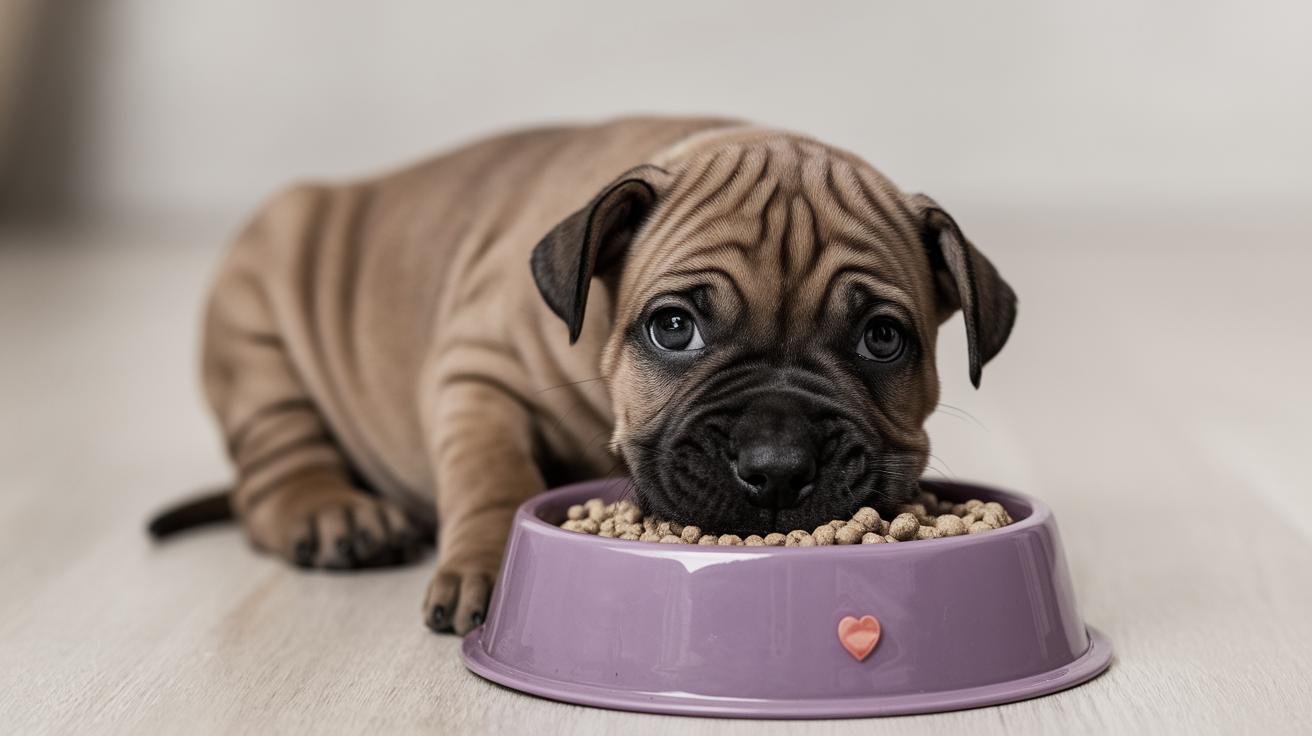
How Often Should Newborn Puppies Eat?
Welcoming a litter of newborn puppies is an exciting yet demanding responsibility. Proper care begins with understanding their unique needs, especially concerning their diet. This comprehensive guide covers every aspect of nurturing newborn puppies, from setting up their living space to ensuring their health and well-being. We delve into essential medical considerations, provide tips for bottle-feeding orphaned pups, discuss the process of weaning puppies to gruel, and highlight the importance of socialization. Additionally, we address the frequency and method of feeding, recognizing common ailments, and understanding developmental milestones. Whether you are a breeder or a puppy lover, this article equips you with the knowledge to provide the best start for your puppies and prepare them for healthy, happy lives.
Setting up a Space for Newborn Puppies
Bedding
Comfortable bedding is crucial for the health and development of newborn puppies. Opt for materials that are easy to clean, like towels or vetbed, which provide warmth and comfort. Ensure that the bedding is non-slip to prevent any injury and is easily removable for frequent washing and replacement.
The bedding should be arranged in a whelping box that allows the mother easy access while preventing the puppies from wandering too far. This controlled environment helps keep the puppies safe and gives the mother a sense of security as she tends to her youngsters. Regular assessment of the cleanliness and dryness of the bedding is essential in maintaining a healthy environment.
Warmth
Newborn puppies are unable to regulate their body temperature and require external sources of warmth. Heating pads or heat lamps can be used to maintain the optimal temperature in the whelping area, typically between 85-90°F (29-32°C) for the first few days, gradually decreasing as they grow.
It’s crucial to monitor the heat source to prevent overheating or burning the puppies, ensuring that they’re comfortable and safe. The mother’s body heat should also contribute, but additional warmth can be beneficial if she temporarily exits the whelping area. Observing the puppies’ behavior, such as clustering together for warmth, can indicate whether they are too cold or too hot.
Disease Prevention and Visitors
Puppies are susceptible to infections in their early days, making disease prevention paramount. Limit visitors to prevent the introduction of pathogens and ensure hands are thoroughly washed before handling.
Control access of other pets to the puppies to minimize risk and stress. Consult your veterinarian for guidelines on vaccinations and deworming for the mother and puppies, setting the foundation for healthy development and protection against diseases.
Basic Newborn Puppy Medical Needs
Temperature
Monitoring the temperature of newborn puppies is vital, as their energy to maintain body heat is limited. Keep their environment warm and regularly check their body temperature, ensuring it remains around 95-99°F (35-37°C).
Slow and gentle warming techniques should be employed if the puppy becomes hypothermic. A consistently warm environment aids in the puppies’ comfort and promotes healthy digestion and growth.
Weight
Weigh puppies daily to track their growth, aiming for a steady weight increase. Use a reliable digital scale for accuracy, recording their weight regularly to monitor development milestones.
Steady weight gain indicates good health, while a lack of increase or a decrease can signal medical issues needing attention. Regular vet consultations can provide guidance on appropriate feeding and care based on these metrics.
Vision
Newborn puppies are blind at birth, with their eyelids sealed for protection. Typically, their eyes will open between 10 to 14 days, beginning a lifetime of visual exploration.
Handle puppies gently post-eye opening and ensure their environment is neither too bright nor too dim. Encourage gradual visual adaptation to foster normal development, always vigilant for signs of infection or abnormality.
Hearing
Deaf at birth, puppies’ ears remain closed for protection from external stimuli. These begin to open by two weeks, heralding a new sensory exploration era.
Expose pups gradually to ambient noises and moderate sounds, fostering auditory adaptation while avoiding loud or startling noises. Noting significant behavior deviations could prevent or address potential hearing concerns early.
Stimulating Puppies for Elimination
Neonate puppies require stimulation for urination and defecation, a role filled naturally by the mother through licking. If necessary, gently mimic this with a soft, damp cloth, ensuring hygiene by cleaning the puppies and disposal of waste.
Without regular elimination, puppies risk toxin build-up with potentially serious consequences. Maintain regular patterns and schedules, seeking veterinary guidance with any abnormalities in output frequency or appearance.
Diarrhea
Monitor and inspect stools for consistency; diarrhea in puppies could indicate infection, intolerance, parasites, or dietary imbalances. Hydration and nutrition become a priority if encountered, with immediate veterinary advice wise.
Home treatment without professional guidance can be dangerous, with precise medical evaluations and treatments recommended. Keeping their environment clean prevents recurrence or spread within the litter.
Dehydration
Hydration is crucial for a puppy’s wellbeing; dehydration from diarrhea, poor feeding, or illnesses can rapidly become life-threatening. Assess hydration via gums, skin elasticity, and urine concentration.
A veterinarian should quickly address notable signs of hydration deficits. In mild cases, supplemental feeding and vigilant monitoring might suffice, but severe symptoms often require professional intervention.
Hypoglycemia
The metabolic demands of puppies coupled with their limited stores make hypoglycemia a real concern. Persistent lethargy, tremors, or seizures are red flags.
Timely feeding and warmth management generally avert incidents. Glucose supplements, in consultation with your vet, could be a vital intervention in low-blood-sugar occasions.
Internal Parasites
Regular veterinary check-ups and routine deworming protect puppies from common internal parasites, like roundworms. Watch for symptoms, including poor growth, bloating, or digestive disturbances.
An effective deworming schedule tailored to age and weight ensures early parasite management, critical for long-term health and development. Collaborate with your vet to optimize the program to specific puppy needs.
Nail Trimming
Regular nail trims prevent injury and promote comfort. Dull clippers and poor technique can harm; therefore, patience, proper equipment, and expertise are essential.
Regularly trim nails to maintain appropriate length, protecting undersides, littermates, and caregivers from overly sharp claws, ensuring puppies get used to grooming from an early age.
Home Starts with You
A nurturing home environment is a cornerstone for a puppy’s upbringing, with heaps of love, attention, and a secure structure regarded as essential.
Set boundaries consistently, engage through rewarding interactions and establish a sense of routine, stability, and trust, making your home a well-adjusted and supportive space for development.
Bottle-feeding Orphaned Puppies
If the mother cannot nurse, bottle-feeding becomes essential. Utilize puppy milk formulas, as human milk or cow’s milk is nutritionally unsuitable, potentially harming puppy health. Frequency relies on age; newborns need feeding every 2-3 hours, gradually extending intervals as they grow.
Sterilize feeding equipment before use, adhering to hygiene standards rigorously. Proper bottle technique, simulating natural nursing postures, helps avoid aspiration, while attentively adjusting feeding strategies as the puppies develop ensures optimal nutrition.
Weaning Puppies to Gruel
Begin introducing gruel at about 4 weeks, composed of high-quality puppy food moistened to a porridge-like consistency. Transition gradually, offering it alongside milk or formula.
Observe their willingness and ability to accept new textures and tastes, encouraging adaptation, yet maintaining patience throughout. Limit enforcement of solid food, allowing natural curiosity and appetite to guide the process for health and balance.
Veterinary Checkups
Regular veterinary visits throughout early puppyhood ensure thorough health assessments, vaccinations, and necessary treatments, establishing preventive care and identifying potential issues early.
This consistent partnership with a veterinarian promotes holistic and personalized care, guiding dietary, behavioral, and developmental needs. Regular evaluations foster stronger immunity and resilience against diseases while cultivating foundational care habits.
Socializing Puppies
Adequate early socialization enriches puppies’ behavioral and emotional growth, contributing to well-rounded adults. Introduce puppies gradually to varied environments, people, and animals, focusing on positive experiences.
Structured social engagements develop confidence and adaptation, harnessing play, gentle exploration, and rewards. Intentional socialization sessions minimize future stressors, cultivating a harmonious lifecycle.
Next Steps
| Category | Summary |
|---|---|
| Setting up a Space | Ensuring comfort with bedding, warmth management, and disease prevention strategies. |
| Medical Needs | Managing temperature, weight, developmental milestones, and essential health monitoring. |
| Bottle-feeding | Guide on frequency, technique, and formula for orphaned puppies. |
| Weaning | Transition strategy to introduce solid foods. |
| Veterinary Care | Regular check-ups, vaccinations, and developing a health partnership with your vet. |
| Socializing Puppies | Building behaviors through exposure and positive experiences. |