French Bulldog Colors to Avoid
The French Bulldog, cherished for its affectionate nature and iconic bat-like ears, continues to capture hearts worldwide. However, potential pet owners face a complicated decision when it comes to selecting the right puppy, particularly when considering the range of coat colors. While these colors may seem to be only superficial features, they often indicate genetic health issues and ethical breeding practices. This blog post delves into the general appearance and characteristics of French Bulldogs, focusing particularly on which coat colors could be detrimental. We’ll explore the anatomy of French Bulldogs, from their pronounced heads to their compact bodies, and conclude with expert insights that can help potential buyers make informed decisions.
General Appearance
French Bulldogs are small yet robust canines. Their appearance might suggest a playful demeanor, yet these dogs are known for their alertness and curiosity. Their muscular build combined with their smooth coat makes them a visually appealing breed.
Their compact size and sturdy frame should not be mistaken for fragility. On the contrary, French Bulldogs are resilient. However, potential owners should be cautious about unconventional coat colors, which can indicate underlying health problems.
Characteristics
French Bulldogs are renowned for their charming temperament and adaptability. They form strong bonds with their human companions and possess an infectious energy, making them excellent family pets. However, their anatomical characteristics do necessitate specific care and attention.
Breeding has affected certain traits in French Bulldogs, like coat color, which in turn can be linked to health concerns. It’s essential to prioritize characteristics that align with the breed’s standard rather than opting for unique colors that could suggest genetic irregularities.
Temperament
Typically, French Bulldogs have a loving and gentle nature. Their temperament is an integral aspect of their identity and is largely unaffected by coat color. They thrive on human interaction and exhibit a generally sociable attitude.
Although their temperament is relatively consistent, it’s crucial to understand that improper breeding aimed at producing unique colors can sometimes result in behavioral issues due to underlying health struggles.
Head and Skull
The head of a French Bulldog is an iconic feature, characterized by a broad and round skull with a distinct forehead. This specific anatomical trait contributes to both their charm and their identity as a breed.
Irregularities in head shape associated with non-standard coat colors, like the Merle gene, can lead to congenital defects. Potential buyers should be aware of these risks when considering French Bulldogs with unconventional head features.
Eyes
The eyes of a French Bulldog should be dark and expressive. They are relatively round, giving them a soft, inviting expression that complements their affable character.
Lighter eye colors, often linked to non-standard coat colors, can indicate underlying health conditions. This trait is not standard according to breed specifications and should be a red flag for potential owners.
Ears
The French Bulldog’s ears are often described as bat-like: broad at the base and rounded at the top. They stand erect on the skull and contribute to the breed’s distinctive silhouette.
While ear shape is largely consistent across the breed, improper or unethical breeding for color can sometimes affect ear development, compromising their health and breeding integrity.
Mouth
A French Bulldog’s mouth, particularly its jaw, should be undershot with well-defined muscles. Their lips cover their teeth completely, giving them a neat, harmonious look.
Some non-standard colors may correlate with malformed jaws or dental issues, emphasizing the importance of sticking to recognized breed standards in order to maintain canine health and well-being.
Neck
Muscular yet short, the neck of a French Bulldog complements its overall robust structure while supporting its prominent head effectively.
The neck structure is generally consistent, although certain non-standard features in coat color can sometimes signal skeletal discrepancies. Prospective buyers should examine this aspect carefully.
Forequarters
The French Bulldog’s forequarters are compact and well-muscled, supporting its agile, energetic demeanor. They ensure balance and strength in this small but sturdy breed.
Deviations in color are mostly an aesthetic consideration but can occasionally hint at structural flaws. Buyers should ensure sound forequarter development when selecting a pet.
Body
French Bulldogs exhibit a well-proportioned, compact body. Their ribcage is rounded but not barrel-shaped, ensuring that they have the necessary agility for fun-loving antics.
While their bodies are naturally sturdy, coat colors arising from improper breeding can be linked to issues such as shorter lifespans and various health challenges that disrupt the integrity of this formation.
Hindquarters
The hindquarters of French Bulldogs are strong yet balanced with their forequarters. Their hocks are well let down, contributing to a smooth and efficient gait.
Breeding for color can sometimes lead to imbalances in muscle and bone development. Such alterations could disrupt the natural gait, making it another reason to avoid dogs bred for uncommon colors.
Feet
With compact, well-rounded feet, French Bulldogs move gracefully but steadfastly. Their toes are well split up, cushioning their movements.
Unusual coat colors are not generally associated with foot structure, yet it’s imperative to note any irregularities which might arise from genetic issues tied to improper breeding practices.
Tail
This breed typically has a short, low-set tail, which is either straight or screw-shaped. While the tail is a less functional part, it completes their physical profile.
Abnormal tail formation, sometimes seen with unusual color patterns, can indicate deeper health issues which prospective buyers should be aware of.
Gait/Movement
The movement of a French Bulldog is smooth and free-flowing. The gait is indicative of the breed’s health and well-being. A healthy dog moves with ease and robust agility.
Improper breeding, often for unique color traits, can result in abnormalities in gait which are symptomatic of broader health defects.
Coat
A smooth, short coat characterizes French Bulldogs, offering a sleek, easy-to-maintain outer layer. It’s an appealing feature for those looking for a low-maintenance pet.
While the coat’s texture remains relatively unaffected, the color itself can reveal much about a dog’s health and lineage. Owners should remain educated on the implications of non-standard coat colors.
Colour
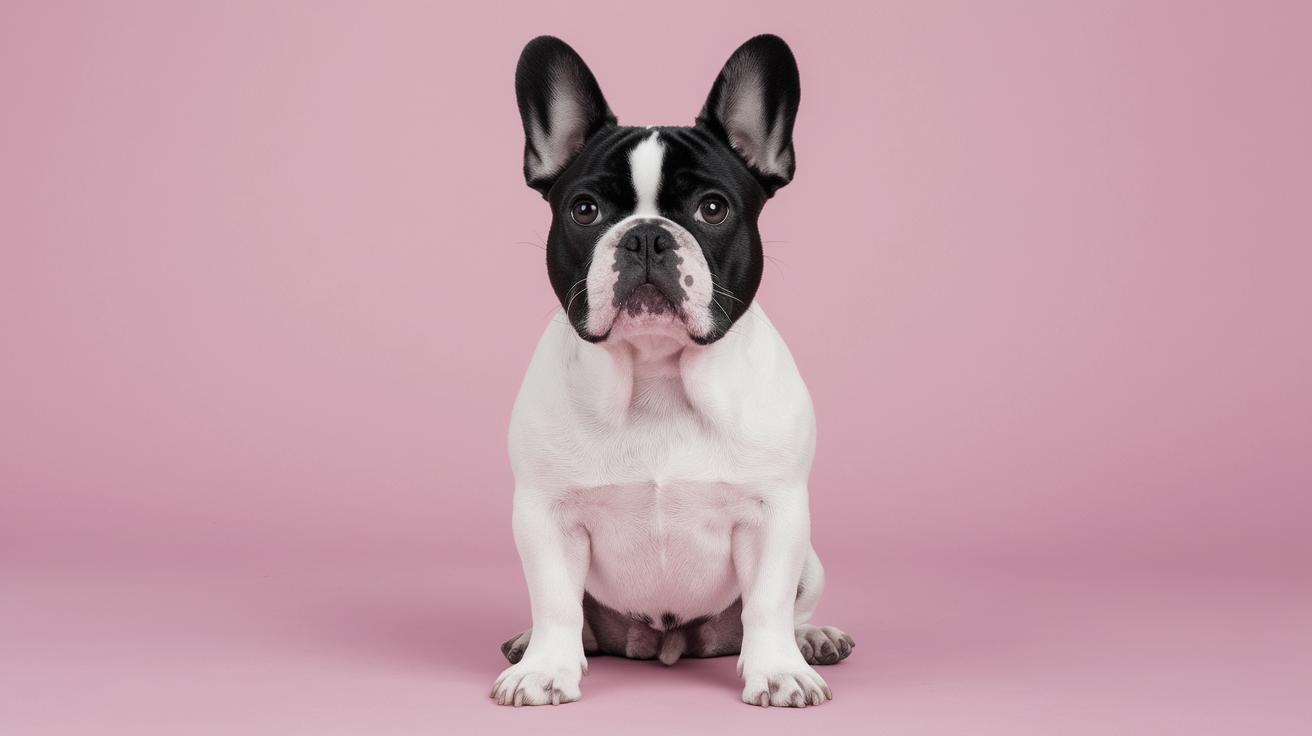
The officially recognized colors for French Bulldogs are brindle, fawn, and pied. These colors are not associated with detrimental health issues and are considered standard by breed experts.
Merely focusing on aesthetics like blue, merle, or other unusual colors significantly increases the risk of genetic disorders, which often accompany such unconventional hues.
Size
French Bulldogs are compact and medium-sized, typically weighing no more than 28 pounds. Their size should not deviate too much from standard dimensions.
While size might not be directly affected by coat color, unhealthy breeding practices commonly associated with color variations can result in size abnormalities that affect the dog’s quality of life.
Faults
Faults in French Bulldogs can manifest physically or behaviorally. Traits such as altered size, color-linked health problems, and genetic defects often arise from breeding for non-standard colors.
Proper screening for genetic integrity is vital to avoid these faults, ensuring that the beloved pet brings joy without unexpected health issues.
Note
When selecting a French Bulldog, understanding breed standards should be the highest priority. Avoid the allure of unique colors that can be tied to serious health risks and ethical issues in breeding practices.
Being informed prevents the propagation of unhealthy practices which not only affect the dogs’ lives but the future of the breed.
Note for prospective puppy buyers
Merle French Bulldogs – Making Money off Misery
The merle coat pattern, not naturally occurring in French Bulldogs, has been improperly introduced by breeding practices that often result in dogs with severe health issues. These include hearing and vision problems, associated with the merle gene.
This trend exploits buyer interest in rare appearances, leading to lifelong misery for the dogs that bear the burden of these unscrupulous initiatives in breeding.
Fad Colors versus Correct Colors
The fascination with fad colors often sacrifices the health and integrity of French Bulldogs. Correct colors, outlined by breed standards, foster well-being and longevity.
Discerning buyers must be cautious of breeders prioritizing aesthetics over health, as the persistence of unhealthy color variants ultimately harms the breed as a whole.
Lessons Learned
| Aspect | Notes |
|---|---|
| General Appearance | Compact, muscular; avoid non-standard colors indicative of health issues. |
| Head and Skull | Broad, round; unconventional colors may lead to congenital defects. |
| Temperament | Consistently loving; some behavioral issues linked to improper breeding. |
| Coat and Color | Smooth, short coat; stick to fawn, brindle, and pied for health integrity. |
| Fad vs. Correct Colors | Fad colors often bring health risks; correct colors adhere to breed standards. |
| Merle French Bulldogs | Associated with major health issues; avoid due to ethical and health concerns. |