
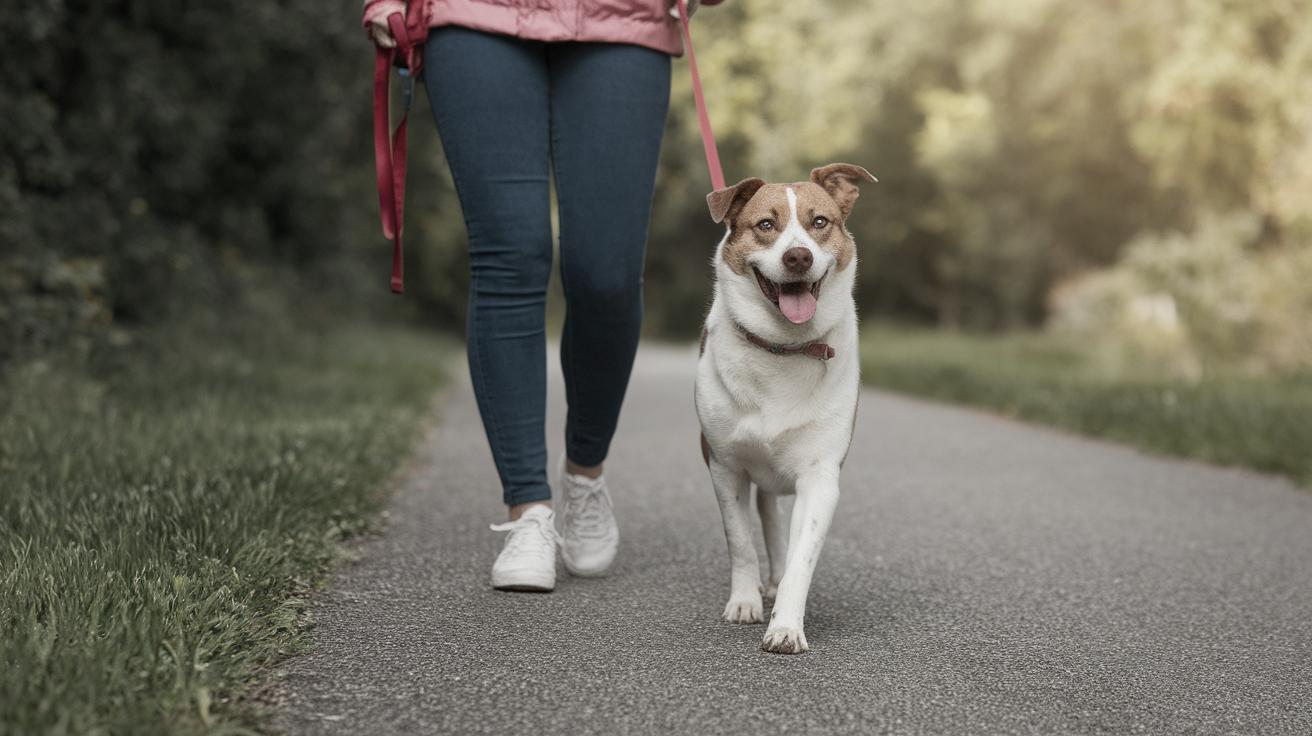
How Often Should You Walk Your Dog?
Walking your dog is more than just a task; it’s a crucial aspect of keeping your pet healthy and happy. In this article, we will explore how frequently you should walk your dog based on various factors, including breed and age. We’ll also delve into the recommended duration of each walk, the importance of letting your dog stop and sniff, and how often your dog needs to relieve itself. Whether you’re a new pet parent or just looking to enhance your dog’s daily routine, this comprehensive guide will provide valuable insights to keep your furry friend both physically and mentally stimulated.
How often should you walk your dog?
Dogs, much like humans, require regular exercise to maintain their physical health. The frequency of walks can depend on several factors, including your dog’s breed, age, and energy level. For instance, a high-energy breed like a Border Collie or a Boxer may require multiple walks daily to burn off energy, while a more laid-back breed such as a Bulldog might be content with shorter, less frequent outings.
Puppies and younger dogs often need more frequent walks due to their high energy levels and developing bladder control. In contrast, senior dogs may require shorter and less intense walks, depending on their health. It’s crucial to tailor the walking routine to your dog’s specific needs, ensuring they receive adequate exercise without overexertion. Regular walks also contribute to preventing behavioral issues that can arise from pent-up energy and boredom.
How long should you walk your dog?
The duration of a dog’s walk can vary significantly based on their individual needs. For most dogs, a daily walk of at least 30 minutes is recommended, but active breeds might require one to two hours of exercise per day. Dividing this time into multiple walks can be beneficial, offering both mental stimulation and a chance to explore varied environments.
It’s important to observe your dog’s behavior during walks to gauge if the duration is suitable. A dog that becomes exhausted quickly may need shorter walks or slower-paced activities, while a dog that remains energetic after a walk might benefit from extended or additional exercise sessions. Always consider your dog’s age, health, and physical limitations when determining walk length, and adjust accordingly to ensure a balanced and enjoyable experience.
How often do dogs need to pee?
Understanding how often your dog needs to pee is essential in maintaining their comfort and health. Most adult dogs typically require a bathroom break every 6 to 8 hours, but this can vary depending on their age, diet, and hydration levels. Puppies, with their smaller bladders, often need to go out more frequently, sometimes as often as every hour when they’re very young.
Regular opportunities to relieve themselves not only prevent accidents in the house but also contribute to urinary tract health. During walks, pay attention to your dog’s signals indicating they need a break, and provide ample chances for them to do so. Keeping a consistent routine can help regulate their needs and make it easier for both you and your pet to plan accordingly.
Should I let my dog sniff on walks?
Allowing your dog to sniff during walks is highly beneficial for their mental health. Sniffing is a natural behavior that engages a dog’s brain, providing much-needed mental stimulation. By exploring their environment through smell, dogs can gather information about the world around them, which is both enriching and satisfying.
It’s advisable to balance structured walking times with periods where your dog can take the lead and explore at their own pace. Encouraging this behavior can reduce stress and increase their overall happiness. However, it’s important to set boundaries, ensuring your dog doesn’t pull excessively or venture into unsafe areas while engaging in their sniffing adventures.
Just Curious for more? We’ve got you covered
If you’re interested in exploring additional aspects of dog walking and care, there are numerous resources and communities available to support you. Consider reaching out to local dog walking clubs or online forums to share experiences and gain new insights. These platforms can provide valuable advice on enhancing your pet’s walking routine, as well as recommendations for routes, dog parks, and enrichment activities.
Furthermore, apps and wearable technology for dogs offer innovative ways to monitor your pet’s activity levels, helping you tailor their exercise regimen more precisely. Staying informed and engaged with the dog-loving community will ensure both you and your furry friend enjoy rewarding and healthy walks together.
Summary of main points
| Topic | Description |
|---|---|
| How often to walk | Depends on breed, age, and energy level; high-energy dogs need more frequent walks. |
| Walk duration | Aim for at least 30 minutes; adjust based on dog’s behavior and energy. |
| Pee frequency | Adult dogs need breaks every 6-8 hours; puppies more often. |
| Sniffing | Encouraged for mental stimulation; balance with structured walking. |