
Signs of Heat Stroke in Dogs
Canine heat stroke affects over 15,000 dogs annually in North America, with temperatures above 85°F posing serious risks. Understanding heat exhaustion symptoms in dogs can prevent life-threatening emergencies and save your pet’s life.
What Is Heat Exhaustion?
Heat exhaustion in dogs is a serious condition caused by high temperatures and humidity that can lead to heat stroke, a potentially lethal situation. Dogs have fewer sweat glands, located only in their paws, which makes them less efficient at cooling down through sweating. Instead, they rely on panting for thermoregulation, which can be inadequate in extreme heat.
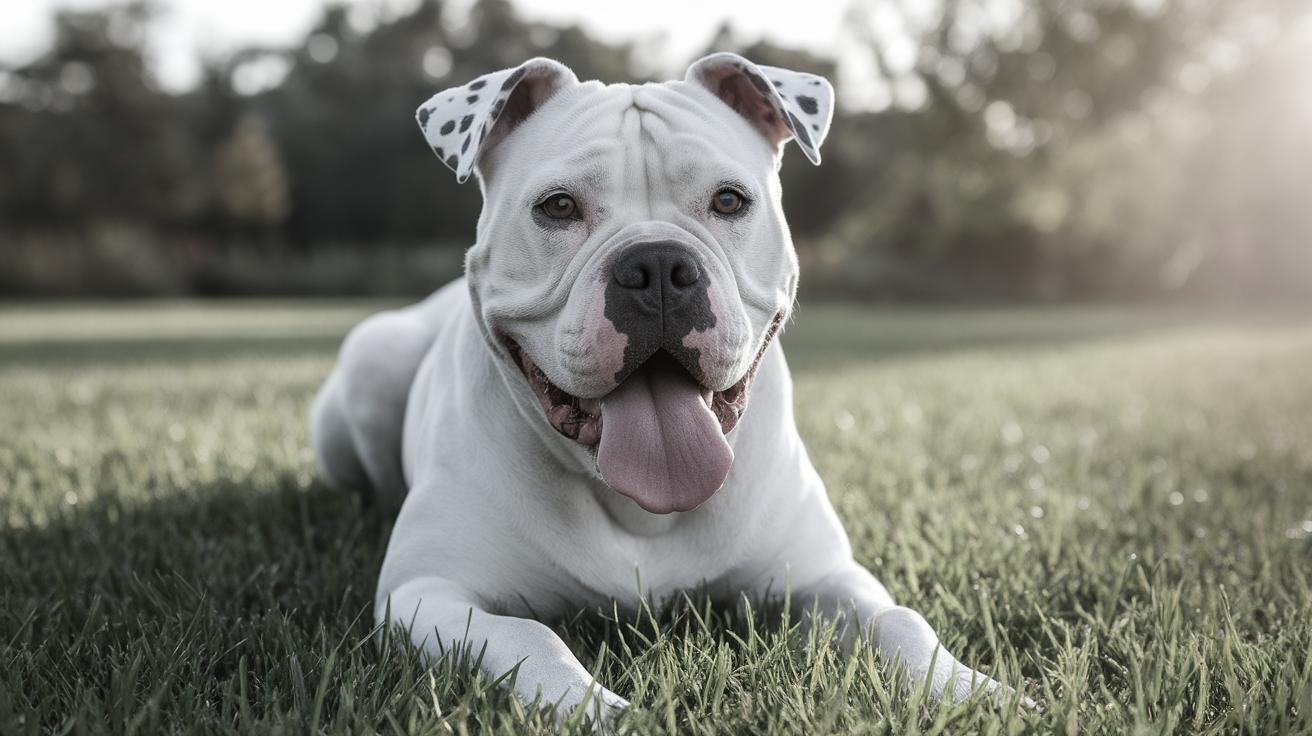
The risk of canine hyperthermia increases significantly during hot weather, particularly if a dog is left in a hot environment such as a car. Additionally, certain breeds are more susceptible, including brachycephalic dogs, like Bulldogs and Pugs, due to their narrow airways which restrict efficient panting. Young, elderly, or overweight dogs also face a heightened risk of thermal stress.
If not promptly addressed, heat exhaustion can quickly progress to heat stroke, causing organ damage, and it may even be fatal. According to veterinary studies from 2024, dogs can develop multi-organ dysfunction when body temperature exceeds 106°F (41.1°C). Thus, understanding what heat exhaustion entails and how it affects dogs is the first step in safeguarding their health during hotter months.
How to Detect Heat Exhaustion
Recognizing the symptoms of heat exhaustion early can make a significant difference. Initial signs include excessive panting and drooling, signs of discomfort such as restlessness or lethargy, and reddened gums or tongue. You might also notice your dog produces less urine, indicating dehydration.
As the condition progresses, symptoms can escalate to include vomiting or diarrhea, rapid heart rate, weakness, and staggering. In severe cases, loss of consciousness may occur, indicating a serious medical emergency. Additionally, the dog’s body temperature may rise above 103°F (39.4°C), which is a clear indicator of heat-related illness.
Advanced warning signs include glazed eyes, thick saliva, and difficulty breathing. Paying attention to behavioral changes and physical symptoms can provide critical clues about your dog’s condition. Therefore, regular monitoring and a readiness to seek veterinary care are crucial in case these symptoms appear, ensuring prompt attention and care.
Emergency Signs Requiring Immediate Veterinary Attention
Certain symptoms indicate life-threatening heat stroke requiring emergency intervention. These include body temperature above 104°F (40°C), collapse or seizures, blue or purple gums, and uncontrolled vomiting or diarrhea.
Neurological symptoms such as disorientation, loss of coordination, or unconsciousness signal severe hyperthermia. Dogs showing these signs need immediate cooling and professional veterinary treatment within 30 minutes to prevent permanent organ damage.
How to Prevent Heat Exhaustion
Prevention is the best approach to managing the risk of heat exhaustion. Always ensure your dog has access to plenty of fresh water and shade, particularly during peak heat hours between 10 AM and 4 PM. Avoid outdoor activities during the hottest part of the day; instead, opt for early morning or late evening when temperatures are cooler.
Never leave your dog in a parked car, even for a short duration, as temperatures can soar rapidly, increasing the risk of heat-related illnesses. Car interiors can reach 120°F (49°C) within 10 minutes on an 80°F day. Additionally, keeping your dog’s fur trimmed and providing cooling mats or vests can aid in temperature regulation.
Regular grooming and maintaining a healthy weight are also crucial preventive measures. Overweight dogs are 40% more likely to develop heat-related conditions according to 2024 veterinary research. Pay attention to the weather conditions and adjust your pet’s outdoor time accordingly.
High-Risk Breeds and Conditions
Brachycephalic breeds including English Bulldogs, French Bulldogs, Pugs, and Boston Terriers face significantly higher risks due to their compressed airways. These breeds can develop heat stroke at temperatures as low as 75°F (24°C) with high humidity.
Senior dogs over 8 years old, puppies under 6 months, and dogs with heart conditions, respiratory issues, or obesity require extra precautions. Dark-coated dogs also absorb more heat and need additional monitoring during sunny weather.
How to Treat Heat Exhaustion
Immediate intervention is key when treating heat exhaustion in dogs. If your pet shows signs of distress, move them to a cooler, shaded area and give them small amounts of water to drink. Applying cool, not cold, water to their body and using fans to increase airflow can help lower their body temperature.
Avoid using ice or ice-cold water, as this can cause blood vessels to constrict, reducing heat dissipation and potentially causing shock. Focus cooling efforts on the paw pads, belly, and inner thighs where blood vessels are closest to the skin surface. Monitor your dog’s temperature frequently and seek veterinary help if it does not return to normal.
Veterinary professionals may provide intravenous fluids and additional treatments to stabilize your pet. Time is of the essence, as prolonged high body temperatures can cause damage to your dog’s internal organs. Therefore, while immediate first aid measures can be administered at home, seeking professional medical attention is always advisable if symptoms persist.
Step-by-Step Emergency Cooling Protocol
Follow this emergency cooling protocol for suspected heat stroke: First, move your dog to air conditioning or shade immediately. Second, apply cool water to paw pads, belly, and armpits using wet towels or a hose.
Third, offer small amounts of cool water if the dog is conscious and able to drink. Fourth, use fans to increase air circulation around your pet. Finally, transport to the nearest veterinary clinic while continuing cooling measures during travel.
Recovery and Long-Term Care
Dogs recovering from heat exhaustion may experience lingering effects including increased sensitivity to heat, kidney dysfunction, or neurological issues. Post-recovery monitoring should include regular temperature checks and gradual return to normal activity levels.
Follow-up veterinary care is essential to assess organ function and ensure complete recovery. Some dogs may require ongoing management including dietary modifications, exercise restrictions, and enhanced cooling strategies during warm weather.
Environmental Modifications for Heat Safety
Create a heat-safe environment by installing adequate ventilation, providing multiple water stations, and using reflective materials to reduce heat absorption. Consider investing in cooling systems such as misting fans, elevated beds for air circulation, and insulated dog houses.
Landscaping modifications including shade trees, covered outdoor areas, and kiddie pools can provide natural cooling options. Indoor climate control becomes essential during heat waves, with temperatures maintained below 78°F (26°C) for optimal canine comfort.
Future Prospects
| Aspect | Summary |
|---|---|
| What Is Heat Exhaustion? | A dangerous condition caused by overheating, compromising a dog’s health and potentially leading to organ failure. |
| How to Detect Heat Exhaustion | Look for signs like excessive panting, drooling, behavioral changes, and elevated body temperature above 103°F. |
| How to Prevent Heat Exhaustion | Provide plenty of water, avoid heat exposure, never leave dogs in hot environments, and monitor high-risk breeds closely. |
| How to Treat Heat Exhaustion | Move to a cool area, provide water, apply cooling measures, and seek immediate veterinary assistance for severe cases. |