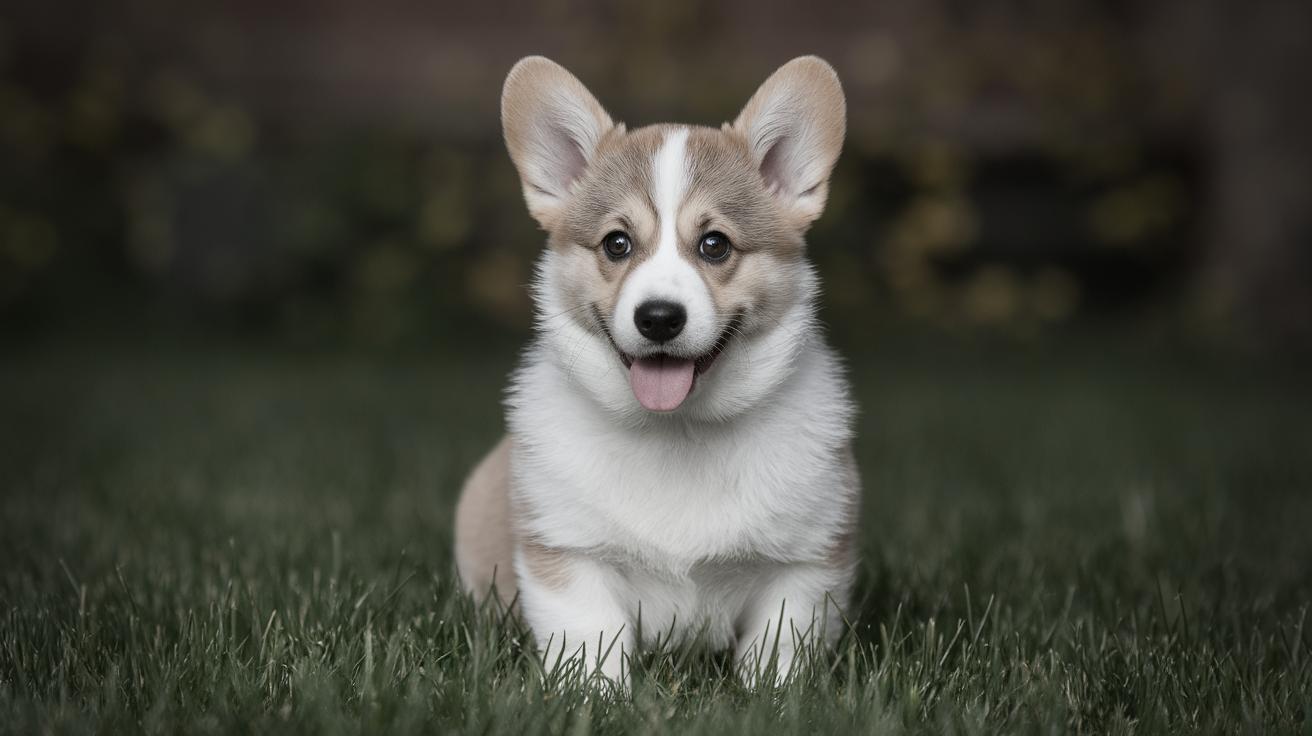
Guide to Crate Training a Puppy
Crate training a puppy is an essential part of pet ownership that offers numerous benefits for both the dog and the owner. In this comprehensive guide, we delve into everything you need to know to get started with crate training, ensuring a smooth and successful experience for your furry friend. We’ll begin with some helpful tips for pet owners, cover potential cautions, guide you through selecting the right crate, and outline the training process itself. Additionally, we’ll discuss potential problems you may encounter and how to address them. Finally, we’ll summarize the key points, providing a handy reference for future use.
Top 10 Pet Tips
1. Patience is key: Training takes time.
2. Use positive reinforcement: Reward your puppy for good behavior.
3. Be consistent with your commands and schedule.
4. Make the crate a pleasant space with bedding and toys.
5. Gradually increase the time your puppy spends in the crate.
6. Do not use the crate as punishment.
7. Be sure the crate size is appropriate for your puppy.
8. Place the crate in a quiet but active part of your home.
9. Maintain a routine to help your puppy adjust.
10. Communicate with your vet for additional guidance.
Crating Caution
While crate training can be beneficial, it’s important to understand the cautions associated with improper use. An over-reliance on the crate or using it as a form of punishment can create fear and anxiety in your puppy. Always ensure that the crate remains a positive and safe haven, not a prison.
Puppies should never be crated for extended periods. A rule of thumb is that a puppy can hold its bladder for one hour longer than its age in months, up to about eight hours. However, confining them for longer can lead to accidents and stress. Always provide opportunities for exercise, play, and companionship outside of crate time.
Crate Selection
Choosing the right crate is crucial to successful training. The crate size should be large enough for your puppy to stand up, turn around, and lie down comfortably, but not so large that they can eliminate in one corner and sleep in another. Adjustable crates can accommodate your puppy’s growth, ensuring it remains a suitable size.
Consider the material and design of the crate. Wire crates are well-ventilated and sturdy, while plastic ones offer more den-like security and comfort. Some even come with divider panels to adjust the living space as your puppy grows. Make sure the crate is easy to clean, and choose a location where it feels like part of the home, rather than an isolated area.
The Training Process
Begin crate training by associating the crate with positive experiences. Use treats, toys, and meals to encourage your puppy to enter the crate willingly. Initially, allow them to explore it with the door open and gradually progress to short periods with the door closed.
Gradually extend the time they spend inside, and introduce commands such as “crate” or “bedtime” to establish routine. Utilize intervals when your puppy is naturally calmer, like after exercise, to help them settle in. Keep the experience positive with praise and rewards when using the crate successfully.
Potential Problems
Resistance to crate training can occur, often due to fear, anxiety, or negative past experiences. If your puppy is hesitant, be patient and refrain from forcing them in. Encouragement, using toys or treats as lures, and keeping the crate open in the household environment can help reduce anxiety.
If your puppy cries or whines, it might be tempting to let them out immediately. However, consistently doing so can reinforce negative behavior. Instead, wait for a moment of calm before opening the crate. If problems persist, consult a veterinarian or professional trainer for additional support.
Future Prospects
| Section | Summary |
|---|---|
| Top 10 Pet Tips | Highlights essential tips for successful crate training, emphasizing patience, consistency, and positivity. |
| Crating Caution | Discusses potential pitfalls of crate training, such as over-reliance and improper use, advocating for balance and routine. |
| Crate Selection | Guides on selecting the ideal crate size and type, ensuring comfort and adaptability for growth. |
| The Training Process | Outlines the step-by-step process, from initial introductions to full crate sessions, fostering positive associations. |
| Potential Problems | Addresses common issues like resistance and whining, offering solutions and professional advice options. |