
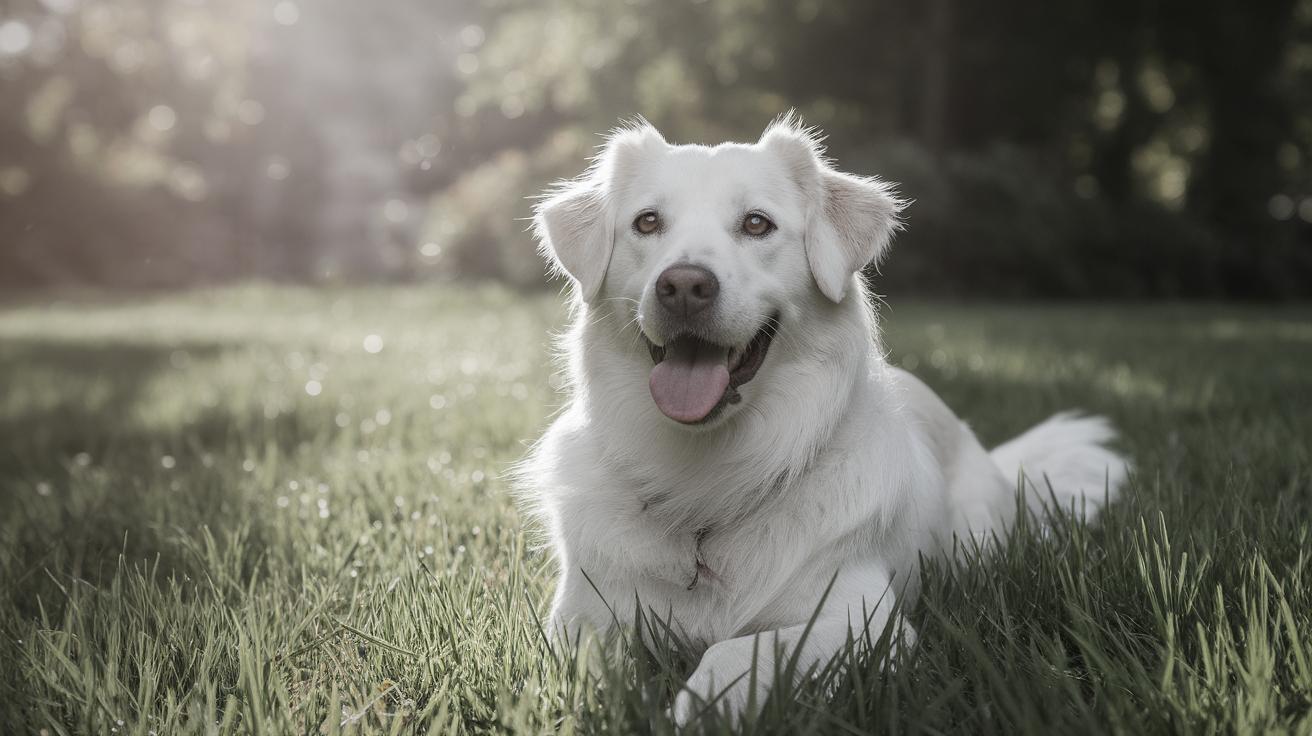
Keeping Dogs Cool in Summer: A Comprehensive Guide
Summer can be a challenging time for dog owners, as our furry friends can easily become uncomfortable, or even at risk, due to high temperatures. This blog post will guide you through various strategies to keep your dog cool in different scenarios, from walks and car rides to nights at home or days at the beach. By understanding which dogs are more at risk and how to identify signs of heatstroke, you can ensure a safe summer for your pet. Learn about lifetime dog insurance, tips for cooling down your pet, and essential first-aid measures if your dog becomes overheated. Explore the vital information and proactive steps necessary to make sure your faithful companion stays comfortable and safe all summer long.
1. Why is it important to keep your dog cool in summer?
Dogs are unable to sweat in the same way humans do, relying primarily on panting and a few sweat glands in their paw pads to regulate their body temperature. This makes them more susceptible to heat-related issues, such as heat exhaustion and heatstroke, during the warmer months. It’s crucial to keep them cool to prevent these potentially life-threatening conditions.
Ensuring your dog stays cool is not just about avoiding discomfort; it’s a fundamental aspect of responsible pet ownership. Dogs can suffer irreversible damage or even death if steps are not taken to manage their body temperature in extreme heat. By being proactive, you can avoid emergency veterinary visits and keep your dog healthy and happy all summer long.
2. Which dogs are more at risk?
Certain breeds and individual dogs are more prone to heat-related illnesses. Brachycephalic breeds, like Bulldogs, Pugs, and Boston Terriers, have restricted airways, making effective panting difficult. Furthermore, older dogs, puppies, overweight dogs, and those with heart or respiratory issues are at a higher risk.
Thicker-coated breeds, such as Huskies and German Shepherds, may also struggle to release heat effectively. Understanding your dog’s specific needs and limitations is key to ensuring their safety during hot weather spells. Tailoring your care routine to address these risks can help mitigate potential health issues.
3. The best lifetime dog insurance
Investing in comprehensive lifetime dog insurance ensures that you’re prepared for any heat-related illnesses, as well as other medical needs throughout your dog’s life. With the rising costs of veterinary care, insurance can provide peace of mind that you’ll be able to afford necessary treatments without significant financial strain.
When choosing a policy, look for coverage that includes emergency care, hospitalizations, and follow-up treatments. Some insurance plans also offer additional benefits, such as coverage for preventative care, which can further enhance your pet’s well-being. Shop around for a policy that suits your financial and healthcare needs.
4. Keeping your dog cool during walks on hot days
When planning outdoor activities, choose early morning or late evening walks to avoid peak temperatures. Utilize shaded paths and grassy areas to keep their paws off hot surfaces. Always carry water and a portable bowl to keep your dog hydrated.
Consider alternatives like interactive indoor games or visits to a dog-friendly air-conditioned venue during extreme temperature days. By adjusting the intensity and timing of your walks, you can maintain your dog’s fitness without compromising their safety.
5. Keeping your dog cool in the garden
Your backyard can be a fantastic playground, but consider setting up shaded areas where your dog can retreat from the sun. Adding a kiddie pool filled with fresh water can offer a fun cooling experience. Regularly refresh the water to keep it safe and cool for use.
Install misters or fans in your outdoor space, and avoid leaving your dog outside during the hottest parts of the day. Always supervise garden time to ensure your dog doesn’t overexert themselves or experience difficulty cooling down.
6. Keeping your dog cool in the car and on long journeys
It’s vital never to leave your dog alone in a parked car, as temperatures can rapidly rise to dangerous levels. Plan car journeys during cooler parts of the day and keep the air conditioning on or windows slightly open to ensure proper ventilation.
Stop frequently for water breaks, and consider cooling mats or vests to help regulate your dog’s body temperature. Packing a fan or portable cooling unit can be a lifesaver on especially hot days. Preparation is critical to make travel safe and enjoyable for your pet.
7. Keeping your dog cool in the house
An air-conditioned or well-ventilated home can offer a respite from outdoor heat. Fans and cool mats can also help reduce temperature. Provide plenty of cool, fresh water and allow access to tiled or shaded areas for your dog to lie down.
Closely monitor indoor humidity, as it can affect your dog’s comfort. Attendance to your pet’s behavior can alert you to move them wherever they may feel more at ease, helping adjust fan and AC positioning as necessary.
8. Keeping your dog cool at the beach
The beach can be a wonderful escape, but preparation is key. Ensure your dog has sufficient shade, accessible water, and a designated sun-blocked area to rest during beach outings. Reflective surf and sand can rapidly increase the perceived temperature.
Monitor paw pads for burns or distress due to hot sand, and ensure your dog rinses off salt and sand regularly. Always incorporate short breaks to allow your pet to cool down effectively. Stay attentive to signs of overheating for a safe and fun excursion.
9. Keeping your dog cool at night
Ensure your dog’s resting area is well-ventilated and cooled with a fan or air conditioning at night. Opt for breathable bedding materials and place them in the coolest part of your home.
Maintaining a comfortable nighttime temperature ensures your dog will get the restful sleep they need for overall well-being. Observe their behavior to adjust environmental factors as needed.
10. Keeping your dog cool during a heatwave
During extreme heat conditions, your regular cooling strategies might need an upgrade. Limit physical activities and replace them with more mental exercises indoors.
Focusing on hydration, proper ventilation, and cooling products can shield your dog from heat stress. Heightened vigilance and adaptability are vital in navigating a sustained spike in temperatures to protect your dog.
11. Signs of heatstroke
Common symptoms include excessive panting, drooling, confusion, vomiting, diarrhea, and bright red or pale gums. In severe cases, dogs may collapse or fall unconscious.
Recognizing these signs early can save your dog’s life. Immediate intervention and veterinary assistance are crucial when heatstroke is suspected.
12. What to do if your dog has heatstroke
If you suspect heatstroke, move your dog to a cool area immediately. Use cool, not cold, water to wet their coat, focusing on the belly. Offer small amounts of water to prevent gulping, which can lead to bloating.
Contact your veterinarian quickly for guidance. Time is of the essence; prompt actions can prevent irreversible damage.
13. Think your dog may be affected?
Dogs exhibiting any heat distress symptoms should be evaluated by a veterinarian. Trust your instincts if something feels off and some measures don’t seem to provide relief.
Remember, it’s always better to be cautious when it comes to your pet’s health. Early intervention can mitigate serious health complications.
14. Find a vet near you
Establish a relationship with a local veterinarian if you haven’t already. Having quick access to veterinary care in emergencies is invaluable, as every minute counts in critical situations.
An established partnership with a vet can facilitate faster service and better personalized care treatments when issues arise.
15. Related Topics
For more insights, consider exploring articles on dog nutrition, behavioral training during hot weather, and appropriate summer activities. Expanding your understanding complements direct care education to enhance overall pet well-being.
Stay ahead with seasonally themed topics, aiding you in maintaining your dog’s health, happiness, and safety year-round.
Lessons Learned
| Topic | Key Points |
|---|---|
| Keeping Dogs Cool | Understand the significance of cooling and preventing heatstroke. |
| High-Risk Dogs | Recognize breeds and conditions that increase heat vulnerability. |
| Insurance | Invest in a comprehensive plan for managing unexpected medical expenses. |
| Cooling Techniques | Adopt practices for various settings: walks, garden, car rides, beach, and home. |
| Emergency Response | Acknowledge heatstroke symptoms and response strategies for safeguarding your pet. |