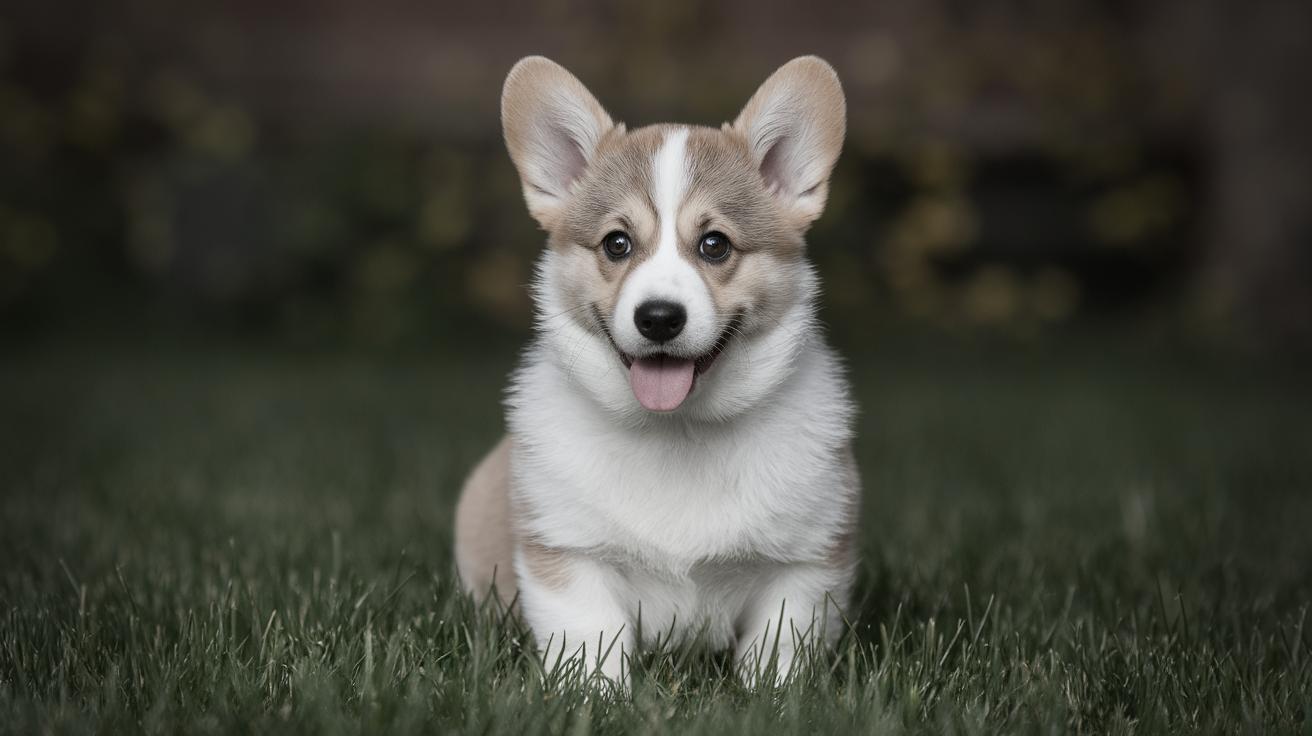
Why Do Dogs Hide Their Food?
Understanding why dogs hide their food offers a fascinating glimpse into their innate instincts and behaviors. This blog post explores how the evolutionary traits of wild dogs manifest in our domestic companions, influencing them to stash food for future use. By examining the concepts of resource protection, sensory experiences, and survival instincts in domestic settings, this article provides insights into the reasons behind food hiding. Additionally, it covers how stress and environmental factors contribute to this behavior, offers practical tips on managing it, and suggests when professional help might be beneficial. Whether stemming from wild roots or stress responses, uncovering these motivations equips dog owners to better understand and accommodate their pets’ needs.
Instincts from the wild
In the wild, dogs and their wild ancestors needed to adopt strategies to survive in often unforgiving environments. One such strategy was caching, or hiding surplus food for later consumption. This behavior ensured they had a backup food supply during times when hunting was unsuccessful or food was scarce.
Even though our domesticated dogs are far removed from their wild ancestors, many retain this instinctual behavior. Their brains are hardwired to stash away food, reflecting an evolutionary habit from eras where access to a consistent food supply was uncertain. Such behaviors exhibit fascinating parallels between our pet dogs and their wild forebears.
Protecting resources
Dogs inherently understand the importance of protecting their resources. Food hiding can be a behavior developed to secure their sustenance from potential scavengers or rival animals. By burying or concealing food, dogs believe they are ensuring a future meal when they might need it most.
This protective mechanism, although seemingly unnecessary in a household where food supply is regular, is a deeply ingrained behavior. It’s a reminder of their evolutionary lineage, underlining the balance between their wild instincts and current domestic security.
Creating a “safe” space
Just as humans derive comfort from personal spaces, dogs too create their own versions of ‘safekeeping zones.’ Hiding their food in specific spots helps them construct a reassurance zone, enhancing their sense of safety and control over their environment.
This sense of security is crucial, especially in a multi-pet household or a dynamic family setting where dogs might feel competition or disruption. Creating a designated place to hide food can thus be their way of establishing control and comfort.
Sensory Experience
Dogs experience the world differently from humans, with their senses playing a pivotal role in their interactions. The act of hiding food also involves scent-marking, which provides familiarity and reassurance. When a dog returns to its hidden stash, it is rewarded not just with the food itself, but the comforting scents associated with it.
This sensory-driven behavior underscores the importance of a dog’s olfactory environment. It may seem like a quirky habit, but it integrates their need for mental stimulation and environmental interaction, crucial elements for a content canine life.
Survival instincts in domestic settings
Despite the comfort of modern homes, domestic settings still trigger survival instincts in dogs. Contemporary living introduces challenges, such as new pets, guests, or changes in routine. Dogs may resort to food hiding as a way to cope with these changes by reverting to self-sustaining behaviors learned from their ancestors.
This instinctual behavior showcases their adaptability, proving how ancient survival strategies merge with their current existence. It’s a reminder for pet owners to appreciate the deep-rooted instincts still present, even in pets considered part of the family.
Hiding as a response to stress
Stress can significantly alter a dog’s behavior, and food hiding often indicates anxiety. Triggers could range from environmental changes, introducing new animals or humans into their space, to even loud noises. Dogs might react by creating a secret stash as a reassuring gesture, indicating both their stress and problem-solving capabilities.
Observing such behavior requires attention to potential stress factors within their environment. Understanding and mitigating these factors can reduce anxiety-driven hiding, ensuring a more relaxed and confident pet.
How to manage food-hiding
Managing food hiding involves both understanding and empathy. Start by observing patterns and triggers that might contribute to such behaviors. Once identified, address these issues by providing a stable environment and routine.
In some cases, modifying feeding practices may be beneficial. Regular, smaller meals can reduce the impulse to hide food. Introducing enrichment activities and puzzles can also provide mental stimulation that detracts from the hiding behavior.
Find a vet near you
In situations where food hiding seems excessive or linked to stress, consulting with a veterinarian could be beneficial. Vets can conduct assessments to rule out underlying health issues or anxiety disorders that might contribute to such behavior.
Maintaining an informed approach by seeking veterinary advice ensures overall well-being, helping to merge a dog’s natural instincts with a healthy domestic lifestyle.
Find a dog trainer or behaviourist
Engaging a professional dog trainer or behaviorist can provide tailored strategies to manage food-hiding behaviors. These experts utilize positive reinforcement and behavioral modification techniques to encourage desirable actions.
Experienced trainers can assess home dynamics and dog behavior holistically, crafting training plans that nurture instinctual needs while reducing stress-related habits.
Think your dog may be affected?
If persistent food hiding disrupts daily life or causes concern, it’s essential to act. Consulting professionals and incorporating suggested management strategies can mitigate the issues effectively.
Staying proactive by observing your pet’s habits and responding to their needs fosters a nurturing environment, ensuring your dog feels secure and content.
Related Topics
Final Thoughts
| Subheading | Summary |
|---|---|
| Instincts from the wild | Explores the natural behavior of caching food, a holdover from wild ancestors. |
| Protecting resources | Explains how food hiding is related to protecting sustenance from rivals. |
| Creating a “safe” space | Covers how dogs use food hiding to create secure environments. |
| Sensory Experience | Discusses the role of smell and sensory involvement in food hiding. |
| Survival instincts in domestic settings | Illustrates how change triggers survival tactics like food hiding. |
| Hiding as a response to stress | Details the connection between stress and increased food hiding. |
| How to manage food-hiding | Provides strategies to understand and mitigate the behavior. |
| Find a vet near you | Advises consulting a vet for excessive hiding behaviors. |
| Find a dog trainer or behaviourist | Recommends professional help for behavior modification. |
| Think your dog may be affected? | Encourages proactive observation and response to pet habits. |