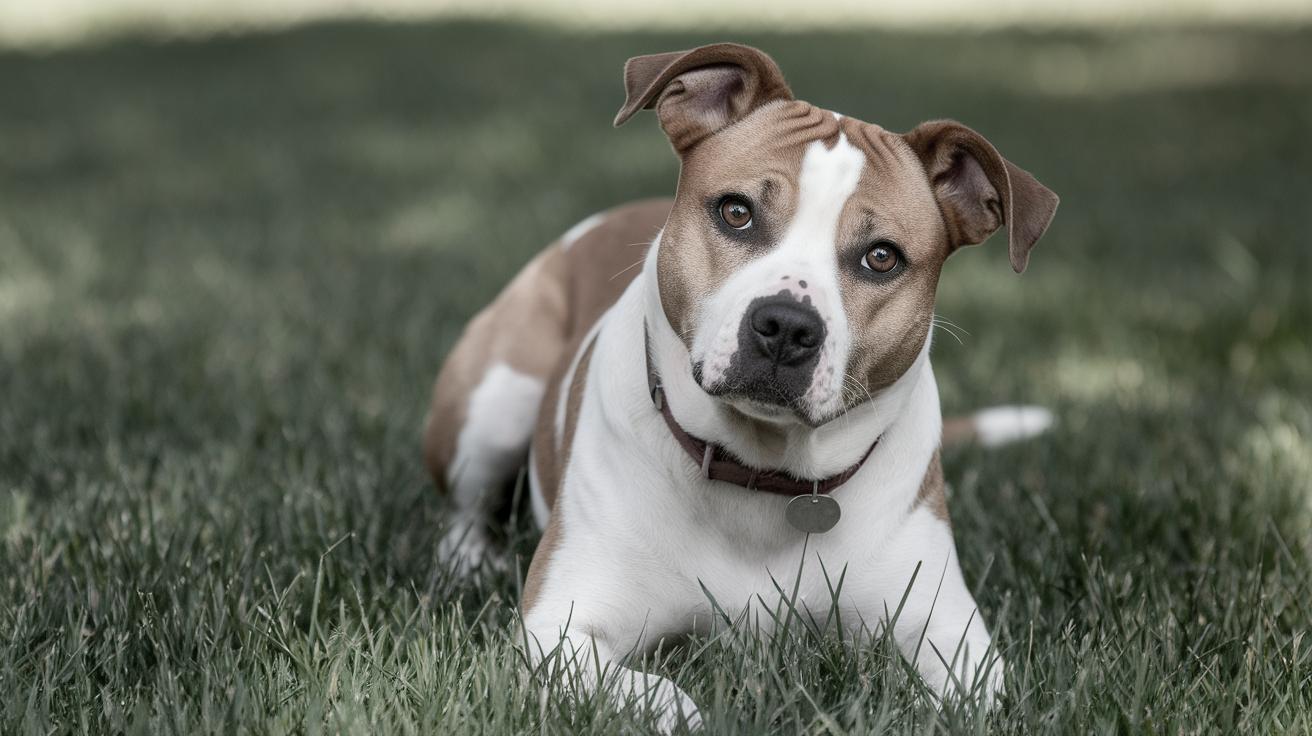
The Merle Color in Dogs: Understanding This Eye-Catching Coat
Merle is a distinct, eye-catching pattern that graces the coats of many beloved dog breeds, creating unique, marbled effects with patches of color. While the merle pattern is admired for its beauty, it also brings with it important considerations regarding breeding and health. In this comprehensive exploration, we’ll delve into the registration of merle dogs by The Kennel Club, the genetic inheritance of the merle pattern, potential health problems associated with this coat, and the implications of breeding practices such as merle-to-merle matings. Join us as we unravel the complexities of this mesmerizing color pattern and its impact on the canine world.
Does The Kennel Club Register Merle Dogs?
The Kennel Club recognizes the unique appeal of merle-coated dogs and, therefore, does register these individuals across various breeds. Breeds such as the Australian Shepherd and the Border Collie often showcase this distinctive pattern, and as long as the dogs meet the breed standard requirements, the merle coat does not present a barrier to registration.
While merle breeders work to highlight positive aspects of the coat pattern, it is crucial to remember that registration by The Kennel Club also entails stringent adherence to health and breeding practices. The registration process ensures that merle dogs not only exhibit the desired appearance but also maintain optimum health standards as outlined by breed experts.
How is Merle Inherited?
Merle is inherited through a complex genetic process involving a specific dilution gene. This gene modifies the base color of a dog, resulting in patched and variegated coat patterns. The presence of one merle gene produces the adored marbled effect, yet the inheritance of two such genes can lead to more pronounced defects and health issues. This genotype is often referred to as “double merle.”
Breeders often aim to produce aesthetically appealing merle coats without compromising the dog’s health. Understanding canine genetics is fundamental for breeders, enabling them to make informed decisions, avoid defects, and promote the overall well-being of the animals.
Do Merle Dogs Have Health Problems?
Merle dogs, despite their striking appearance, can be prone to several health issues. The diluted pigmentation that defines the merle coat pattern may affect not only the skin but also other parts of the anatomy, potentially resulting in auditory and ocular problems. Deafness and vision impairments are among the more severe consequences, particularly for dogs with double merle genetics.
Awareness and preventive breeding practices are critical in mitigating these health risks. Prospective owners and breeders must collaborate with veterinarians and geneticists to ensure that they only produce healthy merle pups. Testing for merle genes before breeding is a proactive step in curbing the occurrence of heritable health defects.
Does The Kennel Club Register Puppies from Merle-to-Merle Matings?
While The Kennel Club registers merle dogs, the practice of merle-to-merle matings often raises ethical concerns due to the exacerbated risk of health issues in the offspring. Consequently, The Kennel Club is cautious about registering puppies from such matings, and in some cases, they may reject registration to prevent the propagation of inherited defects.
Breeders are often encouraged to practice responsible breeding by avoiding merle-to-merle pairings. Instead, they should focus on preserving the beauty of the merle pattern while prioritizing the health and well-being of future generations. This breeding responsibility ultimately benefits both dogs and owners, leading to a healthier breed population overall.
In final thoughts, understanding the genetic intricacies and health considerations of the merle coat pattern is essential for anyone involved in breeding, owning, or admiring these uniquely patterned dogs. By prioritizing ethical breeding practices and rigorous health screenings, the beauty of the merle pattern can continue to be enjoyed responsibly. Let us use our knowledge to cherish and protect these extraordinary dogs for generations to come.
| Aspect | Details |
|---|---|
| The Kennel Club Registration | Merle dogs can be registered if they meet breed standards and health practices. |
| Inheritance of Merle | Merle is inherited through a specific dilution gene; single merle is desirable, while double merle can cause defects. |
| Health Problems | Merle dogs may face hearing and vision issues, particularly if they are double merle. |
| Merle-to-Merle Matings | These matings increase health risks, and The Kennel Club may not register the offspring. |