
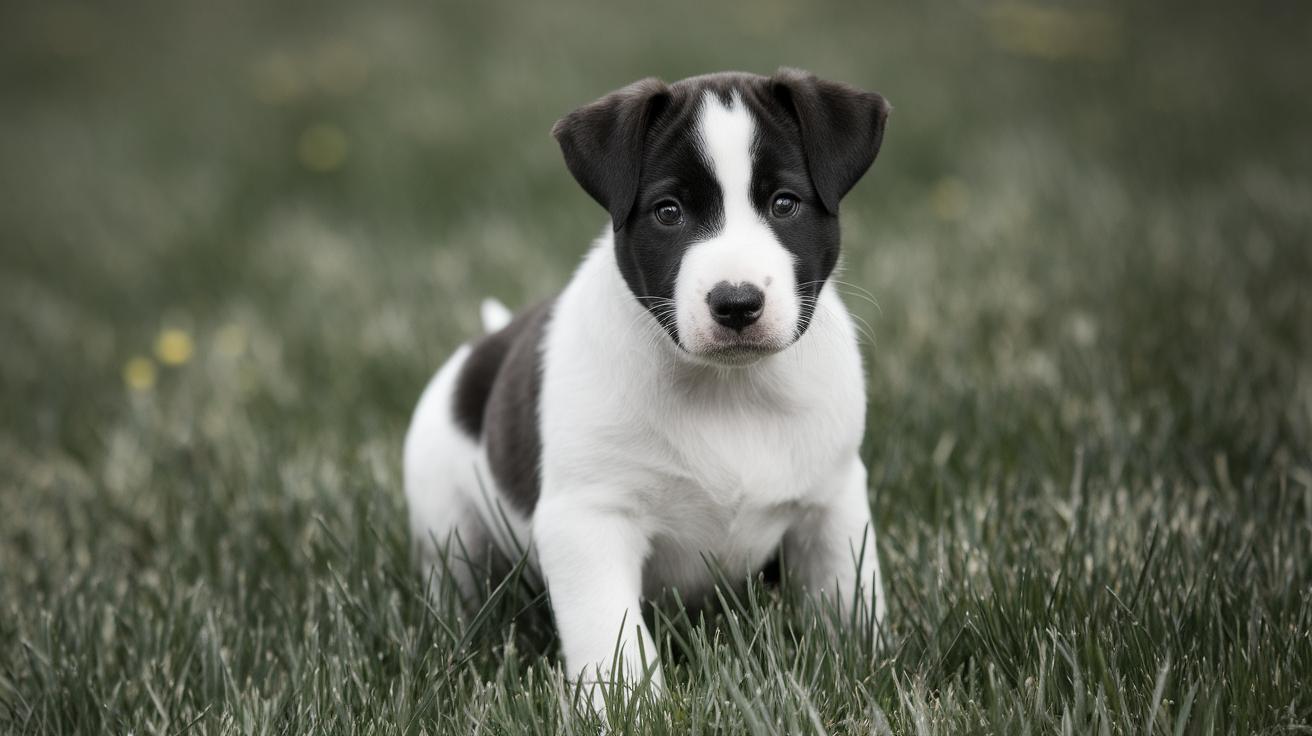
Puppy diarrhea affects 60-80% of young dogs, requiring immediate attention to prevent dehydration and identify underlying causes.
What is diarrhea?
Diarrhea refers to an increase in stool frequency, fluidity, or both, characterized by loose, watery bowel movements. In puppies, normal stool consistency should be firm and well-formed, while diarrheal stools appear liquid, mushy, or contain excessive mucus.
Understanding diarrhea severity helps determine treatment urgency. Acute diarrhea lasts less than 14 days, while chronic diarrhea persists beyond two weeks, often indicating underlying digestive disorders or systemic health issues requiring veterinary intervention.
How do I know if my puppy has diarrhea?
Recognizing puppy diarrhea symptoms involves observing stool consistency, frequency, and accompanying behavioral changes. Primary indicators include watery or soft stools, increased defecation frequency, and potential indoor accidents due to urgency.
Additional warning signs include lethargy, decreased appetite, abdominal discomfort, and dehydration symptoms like dry gums or skin tenting. Monitor your puppy’s hydration status by gently lifting skin on the back of their neck – it should snap back immediately in well-hydrated animals.
Why has my puppy got diarrhea?
Puppy diarrhea stems from multiple factors including dietary indiscretion, infectious agents, stress responses, and developmental digestive sensitivity. Young dogs possess immature immune systems and exploratory behaviors that increase exposure to gastrointestinal irritants.
The puppy digestive system requires 12-16 weeks to fully mature, making them particularly susceptible to dietary changes, bacterial overgrowth, and parasitic infections during this critical development period.
How common is diarrhea in puppies?
Veterinary studies indicate that 75% of puppies experience at least one diarrheal episode before six months of age. Most cases resolve within 24-48 hours with appropriate management and supportive care.
However, persistent diarrhea lasting more than 72 hours or accompanied by systemic symptoms requires immediate veterinary evaluation to prevent complications like severe dehydration or electrolyte imbalances.
What causes a puppy to have runny poop?
Common triggers for runny puppy stools include sudden diet transitions, consumption of inappropriate items, environmental stressors, and exposure to contaminated water sources. These factors disrupt normal digestive processes and intestinal flora balance.
Infectious causes such as bacterial overgrowth, viral gastroenteritis, or parasitic infestations can also produce liquid stools, often accompanied by additional symptoms requiring targeted antimicrobial or antiparasitic treatments.
What causes puppy diarrhea?
Primary diarrhea causes in puppies include dietary factors (food allergies, intolerance, overfeeding), infectious agents (bacteria, viruses, parasites), and non-infectious triggers (stress, medications, toxins). Each category requires specific diagnostic and treatment approaches.
Secondary causes involve underlying conditions like inflammatory bowel disease, pancreatic insufficiency, or congenital digestive abnormalities that manifest as chronic or recurrent diarrheal episodes in young dogs.
Stress
Stress-induced diarrhea occurs when environmental changes, separation anxiety, or social pressures trigger the gut-brain axis, releasing stress hormones that accelerate intestinal motility and reduce water absorption.
Common stressors include relocation, new family members, loud noises, or changes in routine. Implementing stress reduction techniques such as consistent schedules, safe spaces, and gradual environmental introductions helps minimize digestive upset.
A change in diet
Dietary transitions should occur gradually over 7-10 days, mixing increasing proportions of new food with the current diet. Abrupt changes overwhelm digestive enzymes and beneficial bacteria, causing osmotic diarrhea.
The recommended transition schedule involves 25% new food for days 1-2, 50% for days 3-4, 75% for days 5-6, and 100% by day 7. This gradual approach allows digestive adaptation and prevents gastrointestinal upset.
Food intolerances
Food intolerances differ from allergies, involving digestive enzyme deficiencies rather than immune responses. Common problematic ingredients include lactose, certain proteins, artificial additives, and high-fat content foods.
Identifying trigger foods requires systematic elimination diets under veterinary guidance, typically lasting 8-12 weeks with novel protein sources to determine specific dietary sensitivities and establish appropriate long-term nutrition plans.
Bacterial and viral infections
Infectious gastroenteritis in puppies commonly involves pathogens like Salmonella, Campylobacter, Clostridium, parvovirus, and coronavirus. These agents cause inflammation, increased secretions, and impaired absorption leading to diarrhea.
Diagnosis requires fecal testing, including bacterial cultures, antigen detection, or PCR analysis. Treatment involves supportive care, appropriate antimicrobials when indicated, and strict hygiene protocols to prevent transmission.
Parasites
Intestinal parasites affecting puppies include roundworms, hookworms, whipworms, coccidia, and Giardia. These organisms damage intestinal lining, compete for nutrients, and produce toxins causing diarrheal symptoms.
Regular fecal examinations every 3-6 months and preventive deworming protocols based on veterinary recommendations help control parasitic infections. Treatment requires specific antiparasitic medications targeting identified organisms.
Eating things they shouldn’t
Dietary indiscretion involves consuming inappropriate items like garbage, feces, plants, or foreign objects. This behavior, called pica, can cause mechanical irritation, toxicity, or intestinal obstruction.
Prevention strategies include environmental management, supervised outdoor time, appropriate chew toys, and training techniques to discourage scavenging behaviors that lead to gastrointestinal complications.
What to do if my puppy has diarrhea
Initial management involves withholding food for 12-24 hours while maintaining water access to prevent dehydration. This fasting period allows intestinal rest and reduces further irritation.
Monitor hydration status, document stool characteristics, and prepare for veterinary consultation if symptoms persist or worsen. Supportive care includes maintaining comfortable environment and avoiding additional stressors during recovery.
When should a puppy with diarrhea visit the vet?
Immediate veterinary attention is required for puppies showing dehydration signs, blood in stool, persistent vomiting, lethargy, or fever. Young animals dehydrate rapidly, making early intervention critical.
Additional concerning symptoms include abdominal pain, loss of appetite lasting more than 24 hours, or diarrhea persisting beyond 48 hours despite home treatment efforts.
How to treat diarrhea in puppies at home
Home treatment protocols include temporary food restriction followed by bland diet introduction, ensuring adequate hydration, and environmental stress reduction. Probiotics may help restore beneficial gut bacteria.
Effective home remedies involve electrolyte solutions, small frequent meals, and close monitoring of symptoms. However, severe cases require professional veterinary management and diagnostic testing.
What to feed a puppy with diarrhea?
Bland diet options include boiled chicken breast with white rice, plain canned pumpkin, or prescription digestive diets. These foods provide easily digestible nutrients while minimizing gastrointestinal irritation.
Feeding ratios should be 1:2 (chicken to rice) with small portions offered every 3-4 hours. Gradually reintroduce regular food over 3-5 days as stool consistency improves.
How often should I feed a puppy with diarrhea?
Frequent small meals every 3-4 hours help reduce digestive workload while maintaining nutrition. This approach prevents overwhelming the compromised digestive system during recovery.
Portion sizes should be 25-50% smaller than normal feeding amounts, gradually increasing as symptoms resolve and normal stool consistency returns over several days.
Should I starve a puppy with diarrhea?
Brief fasting periods of 12-24 hours benefit adult dogs but require careful consideration in puppies due to their higher metabolic needs and susceptibility to hypoglycemia.
Puppies under 6 months should not fast longer than 12 hours without veterinary supervision. Continuous water access remains essential throughout any fasting period to prevent dehydration.
Does diarrhea in puppies go away on its own?
Mild diarrhea cases often resolve spontaneously within 24-48 hours, especially when caused by dietary indiscretion or minor stress. Self-limiting episodes typically improve with supportive care alone.
However, persistent symptoms or underlying conditions require veterinary intervention to prevent complications and ensure proper treatment of root causes affecting puppy health.
How to prevent puppy diarrhea
Prevention strategies include maintaining consistent feeding schedules, gradual diet transitions, regular parasite prevention, stress management, and environmental hazard removal from puppy-accessible areas.
Vaccination protocols, proper hygiene practices, and routine veterinary care help prevent infectious causes while establishing healthy digestive habits during critical development periods.
Why does my puppy have diarrhea with mucus?
Mucoid diarrhea indicates large intestinal inflammation or irritation, often caused by bacterial infections, parasites, or inflammatory conditions affecting the colon and rectum.
The presence of excessive mucus suggests colitis or proctitis requiring veterinary evaluation, fecal testing, and potentially anti-inflammatory or antimicrobial treatments.
My puppy has diarrhea with blood in it – what does it mean?
Bloody diarrhea (hematochezia) indicates serious conditions like hemorrhagic gastroenteritis, severe parasitic infections, bacterial colitis, or potential intestinal obstruction requiring immediate veterinary attention.
Dark, tarry stools suggest upper gastrointestinal bleeding, while bright red blood indicates lower intestinal or rectal bleeding, both requiring urgent diagnostic evaluation and treatment.
My puppy has vomiting and diarrhea, what should I do?
Combined vomiting and diarrhea creates rapid dehydration risk, especially in young puppies. This combination suggests gastroenteritis, toxin exposure, or systemic illness requiring immediate veterinary care.
Withhold food temporarily while seeking professional help. Emergency signs include weakness, pale gums, rapid heart rate, or decreased responsiveness indicating severe dehydration or shock.
Is it normal for puppies to have diarrhea a lot?
Frequent diarrheal episodes are not normal and suggest underlying issues like chronic parasitic infections, food allergies, inflammatory bowel disease, or immune system disorders requiring comprehensive evaluation.
Recurrent symptoms warrant diagnostic testing including complete blood work, fecal analysis, and potentially advanced imaging to identify treatable underlying conditions.
Can my puppy’s teething give them diarrhea?
Teething-related diarrhea occurs indirectly through increased chewing behavior, stress responses, and potential ingestion of inappropriate items during this developmental phase lasting 3-6 months.
Providing appropriate teething toys and maintaining environmental safety helps minimize digestive upset associated with this natural developmental process in growing puppies.
Can a puppy have diarrhea after worming?
Post-deworming diarrhea commonly occurs as dying parasites release toxins and intestinal inflammation resolves. This temporary reaction typically lasts 24-48 hours following treatment.
Severe or prolonged symptoms may indicate medication sensitivity or concurrent conditions requiring veterinary evaluation and potential treatment modification or supportive care.
Why does my puppy have diarrhea after their vaccination?
Post-vaccination diarrhea represents mild immune system activation and stress response to the vaccination process. These symptoms typically resolve within 24-72 hours without intervention.
Monitor for severe reactions including persistent vomiting, facial swelling, or difficulty breathing, which require immediate emergency veterinary attention as potential allergic responses.
Why does my puppy have diarrhea after antibiotics?
Antibiotic-associated diarrhea results from disruption of normal intestinal flora, allowing opportunistic bacteria overgrowth and reduced digestive function during and after treatment.
Probiotic supplementation during and after antibiotic therapy helps restore beneficial bacteria and minimize gastrointestinal side effects associated with antimicrobial treatments.
My puppy has diarrhea – could it be parvo?
Parvovirus symptoms include severe bloody diarrhea, projectile vomiting, rapid dehydration, and lethargy in unvaccinated puppies. This highly contagious disease requires immediate emergency veterinary care.
Early diagnosis through antigen testing and aggressive supportive treatment including IV fluids, anti-nausea medications, and intensive monitoring significantly improve survival rates in affected puppies.
Puppy diarrhea emergency signs
Critical warning signs requiring immediate veterinary attention include severe dehydration, bloody stools, persistent vomiting, abdominal distension, pale gums, weakness, or collapse.
Additional emergency indicators include high fever (over 103°F), difficulty breathing, seizures, or loss of consciousness, all suggesting systemic complications requiring intensive medical intervention.
Diagnostic tests for puppy diarrhea
Veterinary diagnostics include fecal examination for parasites, bacterial culture, viral antigen testing, complete blood count, chemistry panel, and potentially abdominal imaging studies.
Advanced testing may involve endoscopy, biopsy collection, or specialized tests for specific pathogens depending on clinical presentation and initial diagnostic results.
Long-term management of chronic puppy diarrhea
Chronic diarrhea management requires identifying underlying causes through comprehensive testing, implementing appropriate dietary modifications, and establishing long-term monitoring protocols.
Treatment strategies include prescription diets, probiotic supplementation, anti-inflammatory medications when indicated, and regular follow-up examinations to assess treatment response and adjust protocols.
The best lifetime dog insurance
Comprehensive pet insurance coverage should include gastrointestinal conditions, emergency care, diagnostic testing, and chronic disease management to protect against unexpected veterinary expenses.
Research providers offering lifetime coverage without exclusions for pre-existing conditions, with reasonable deductibles and high annual limits to ensure adequate protection throughout your dog’s life.
Related Topics
– How to socialize your puppy effectively
– Best practices for puppy training and obedience
– Understanding puppy nutrition and feeding schedules
– Importance of regular vet checkups for puppies
– Puppy vaccination schedules and disease prevention
– Managing puppy anxiety and behavioral issues
Expert recommendations summary
| Condition Severity | Symptoms | Action Required | Timeline |
|---|---|---|---|
| Mild | Soft stools, normal appetite | Home monitoring, bland diet | 24-48 hours |
| Moderate | Watery stools, decreased appetite | Veterinary consultation | 24-48 hours |
| Severe | Bloody diarrhea, vomiting, lethargy | Emergency veterinary care | Immediate |
| Critical | Dehydration, collapse, fever | Emergency hospitalization | Immediate |
| Section | Description |
|---|---|
| Causes of Diarrhea | A detailed exploration of various potential causes, from diet changes to infections and stress. |
| Signs and Monitoring | Guidance on recognizing diarrhea and accompanying symptoms that necessitate a vet visit. |
| Treatment and Prevention | Advice on home remedies, when to consult a vet, and preventive measures to avoid recurrence. |
| Additional Considerations | Discussion of related health factors such as teething, vaccinations, antibiotics, and stress. |