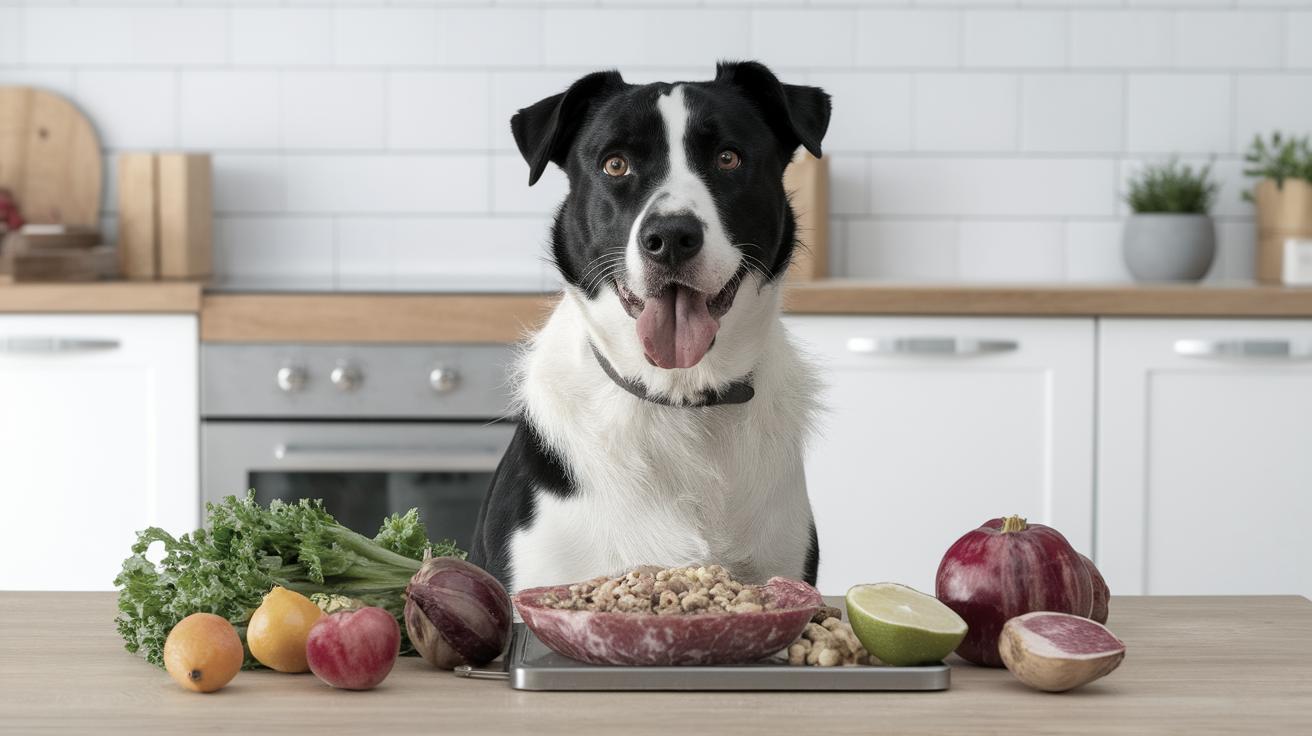
Understanding Raw Dog Food: An In-Depth Guide
In recent years, raw dog food has gained significant attention among pet owners seeking a more natural and primal diet for their canine companions. This article delves into the world of raw dog food, exploring its nature, benefits, and challenges. We will navigate the questions surrounding its nutritional value, examine the considerations for transitioning to such a diet, and highlight potential risks involved. Additionally, we’ll discuss how factors like your dog’s allergies, lifestyle compatibility, and your commitment level play a role in making this dietary choice. By the end of this comprehensive guide, you’ll be equipped with the information needed to make an informed decision about whether raw dog food is the right choice for your furry friend.
Breadcrumb
Bread crumbs serve as a vital element in both culinary and digital landscapes, providing users with navigational clarity. In the context of raw dog food, it refers to the informational ‘trail’ we should consider when exploring the intricacies of dietary choices for our pets. As we embark on this exploration, we’ll systematically break down what raw dog food entails and what key elements should be factored in.
Understanding the ‘bread crumb’ trail not only assists in retaining relevant information but also reinforces the step-by-step methodology necessary in evaluating a potential diet switch for your dog. From the basic questions about what constitutes raw dog food to assessing the larger context within which it fits your lifestyle, this breadcrumb navigation will ensure a comprehensive understanding.
What is raw dog food?
Raw dog food, often referred to as a BARF (Biologically Appropriate Raw Food) diet, consists primarily of uncooked meat, bones, organs, and a selection of fruits and vegetables. Proponents of this diet argue that it closely mimics what dogs’ ancestors consumed in the wild, hence providing a more suitable nutritional balance than many commercial dog foods.
Typically comprising muscle meat, liver, kidneys, eggs, and raw, meaty bones, raw dog food aims to provide a well-rounded nutritional profile while excluding grains, fillers, and artificial additives. While these diets can be beneficial, it’s crucial to maintain a balanced nutrient intake to prevent deficiencies or excesses in your dog’s diet.
Is raw dog food good for dogs?
The debate over whether raw dog food is beneficial remains highly contentious within the pet nutrition community. Advocates claim benefits such as improved coat condition, dental health, and overall vitality, pointing to the diet’s natural alignment with a dog’s evolutionary diet.
On the flip side, critics point out the potential risks of bacterial contamination and nutritional imbalances. Thorough research and careful planning must accompany any decision to switch to a raw food diet to ensure it meets all of your pet’s dietary needs without compromising their health.
What should I consider before switching my dog to raw dog food?
Before transitioning your pet to a raw diet, it is critical to evaluate several factors. Consider your dog’s current health status, age, breed, and any specific dietary needs. Consulting with a veterinarian can also provide personalized insights based on your dog’s health history.
You should also prepare for the practical aspects, such as the cost of raw ingredients, storage needs, and the time commitment required for preparing meals. Crafting a well-planned, balanced raw diet requires diligence and education to ensure your pet’s health and safety.
How much raw dog food should I feed my dog?
Determining the appropriate amount of raw food for your dog involves various variables, including their size, age, metabolism, and activity level. As a general guideline, raw feeders suggest feeding between 2% and 4% of the dog’s ideal body weight daily, split over two meals.
It’s essential to monitor your dog’s condition and adjust portions as needed. Regular weight checks and observing your pet’s overall condition can help you fine-tune their diet to suit their unique needs.
Does your dog have any allergies?
Allergies can profoundly affect your choice in dog food. A raw diet might benefit dogs with certain food sensitivities by eliminating common allergens found in processed foods, such as grain or specific proteins.
However, it’s important to introduce new proteins gradually to monitor any adverse reactions. Consulting a vet is recommended to design a hypoallergenic diet that addresses any specific dietary restrictions your dog might have.
Be conscious of the risks.
Feeding your dog a raw diet might present risks such as bacterial infections from pathogens like Salmonella or E. coli, which can also pose a threat to human family members through food handling and contamination.
It’s imperative to follow stringent hygiene practices when handling raw dog food. Ensure all surfaces, utensils, and hands are thoroughly clean to minimize contamination risks, protecting both your pet and household members.
Put in the time and effort.
A raw dog food diet requires a significant time investment. From sourcing quality ingredients to daily meal preparations and clean-up, it’s a commitment not to be underestimated.
Researching recipes to ensure nutritional balance and learning proper food safety measures are also part of this effort. Successfully maintaining a raw diet involves continuous education and engagement with the process.
Does a raw dog food diet fit with your lifestyle?
Your lifestyle and resources should be major considerations when contemplating a switch to raw dog food. Busy schedules, budget constraints, and storage facilities all come into play when managing this type of diet.
The transition should not compromise your or your pet’s well-being, so evaluating whether the rigorous demands of a raw food diet align with your daily routine and resources is crucial.
The best lifetime dog insurance
Comprehensive pet insurance can be an invaluable tool when introducing a raw diet. While it won’t cover your food expenses, good insurance might provide coverage for unexpected health issues that could arise.
Researching insurance policies that cover a variety of health scenarios, including those potentially exacerbated by a diet change, can offer peace of mind and financial security.
Find a vet near you
Finding a veterinarian open to discussing raw diets is essential for accessing expert advice tailored to your dog’s specific needs. A vet experienced in canine nutrition can guide you through the transition process safely and responsibly.
Regular health checks will help you monitor any changes in your dog’s condition, ensuring the raw diet continues to support their health benefits effectively.
Think your dog may be affected?
If you suspect that your dog’s current diet is affecting their health negatively or that they may be reacting to their new raw diet, it is crucial to seek veterinary guidance promptly. Look for signs such as gastrointestinal distress, changes in energy levels, or alterations in coat quality.
Early intervention can prevent potential health issues from worsening, and a veterinarian can provide diagnostic testing and dietary recommendations to address any concerns.
Related resource
For more information on raw diets and canine nutrition, consider visiting
WebMD Pets
, which offers insights into the benefits and risks of raw feeding.
Lessons Learned
| Consideration | Key Points |
|---|---|
| What is raw dog food? | Uncooked meat, bones, organs, fruits, and vegetables aiming to mimic a natural diet. |
| Is it good for dogs? | Benefits vs. risks; improved health claims vs. bacterial contamination concerns. |
| Factors to consider | Health status, cost, food prep time, portion control. |
| Allergies | Monitor for reactions, eliminate common allergens, vet consultation recommended. |
| Risks | Risk of bacterial infection; emphasis on hygiene and preparation. |
| Lifestyle fit | Consider time commitment, resources, and lifestyle compatibility. |