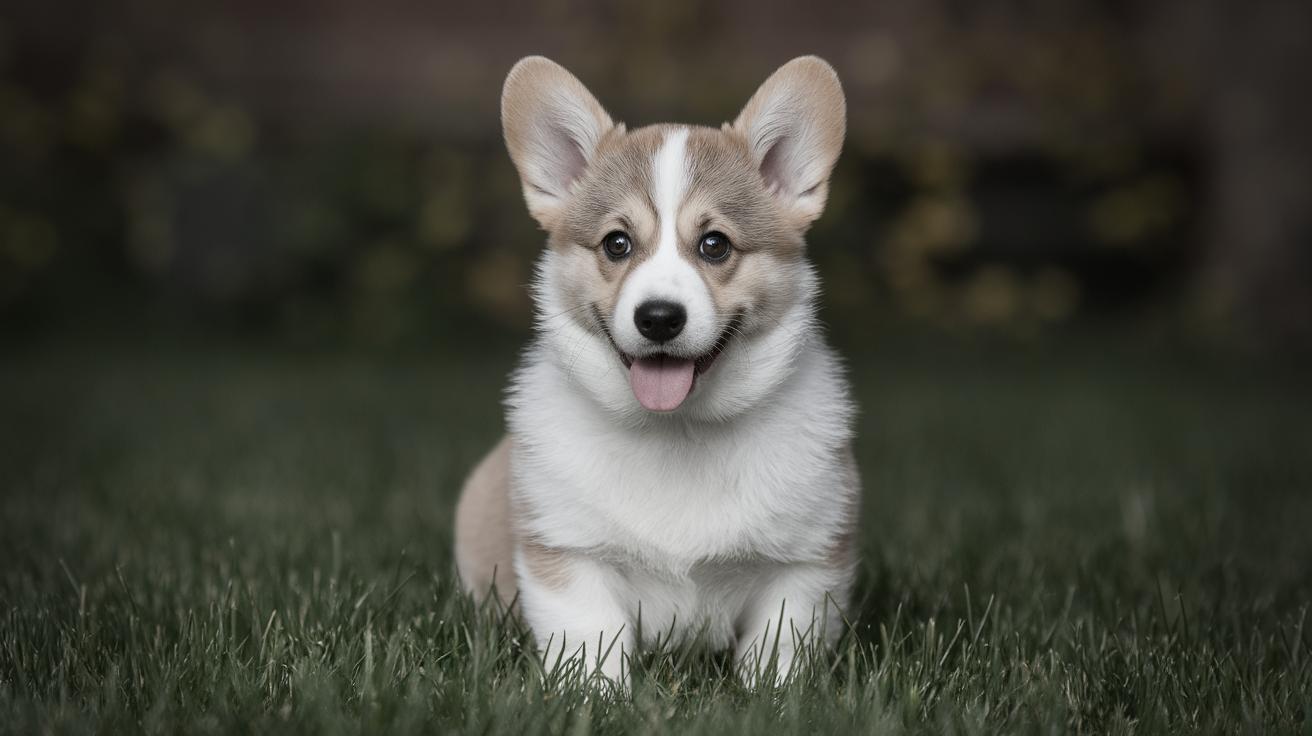
The Difference Between Puppy and Adult Dog Food
Understanding the difference between puppy and adult dog food is crucial for the health and development of your canine companion. Puppies and adult dogs have unique nutritional requirements, which can significantly impact their growth and overall well-being. This blog post will delve into the specific differences in nutritional content, feeding schedules, and transitioning from puppy to adult food. We will also explore how the size and breed of your dog can influence their dietary needs. Whether you’re a new pet parent or looking to better care for your furry friend, this guide will equip you with the knowledge needed to make informed decisions about your dog’s diet.
What is the difference between puppy and adult dog food?
Puppy food is formulated to support the rapid growth and high energy needs of developing dogs. Puppies require more protein, fat, and certain nutrients to support healthy bone development, muscle growth, and a robust immune system. These foods are typically higher in calories, as puppies burn a lot of energy exploring and playing.
Adult dog food, on the other hand, is tailored to maintain the health of a matured dog, addressing their lower energy needs compared to puppies. It reduces calorie intake to prevent weight gain, often includes joint supplements for older dogs, and balances proteins and fats according to adult maintenance levels. The adult formula ensures that a mature dog’s body remains in good working order without providing excess nutrients that could lead to obesity.
The primary distinctions between puppy and adult dog food revolve around calorie counts and nutrient contents specifically designed to cater to the life stage of your dog. Choosing the right one is essential, as feeding adult dog food to puppies can hinder their growth, while puppy food can cause adults to gain unnecessary weight.
How much food should I give my puppy?
No more than three meals a day
Dividing the puppy’s daily food intake into three meals helps manage their energy levels and supports stable blood sugar. Young puppies particularly benefit from this regimen as their stomachs are not large enough to hold much food at once, which means frequent, smaller meals prevent them from becoming overly hungry and cranky.
Feeding times should be consistent, aiding in the digestion process, and establishing a routine that your puppy can rely on. Consistency is essential in raising a well-adjusted dog. As the puppy matures, you can gradually reduce the number of meals to align with an adult dog’s schedule.
Monitor your dog’s weight, not his food
Each puppy is unique, and not all canines will thrive on the same feeding schedule or food quantity. Monitoring your puppy’s weight closely is a more accurate approach than sticking rigidly to specific food amounts. Puppies should have a healthy weight gain pattern that corresponds to breed standards.
Regular vet check-ups can be instrumental in ensuring your puppy is on track. Adjustments may be necessary depending on growth spurts, activity levels, or health changes. Remember, the goal is to help your puppy make a smooth transition to adulthood, with a lean and healthy physique for the longest and happiest life.
How long do dogs eat puppy food?
Breed size matters
The duration a dog should be on puppy food largely depends on its breed and size. Smaller breed dogs tend to reach maturity faster, often around 9 to 12 months of age, while larger breeds can take up to 18 to 24 months to fully mature. Hence, it’s crucial to continue feeding large breed puppies their specially formulated food until they have properly developed.
Veterinarians can provide guidance specific to your dog’s breed and individual needs. Transitioning from puppy to adult dog food should not happen before the dog has reached physical maturity, especially in large and giant breed dogs, as premature transitioning can lead to developmental issues.
Switch slowly from puppy to adult food
Transitioning from puppy food to adult dog food should be a gradual process. A sudden change in diet can upset your dog’s stomach, leading to discomfort and potential digestive issues. The preferred approach is to mix increasing proportions of adult food with the puppy food over 7-10 days until the puppy is fully adjusted.
Observe your dog closely during this transition period for any adverse reactions such as diarrhea or vomiting. If these occur, slow down the transition process. Every dog is different, and some may require a longer adjustment period than others. Patience and attentiveness during this period can contribute greatly to the successful transition of feeding practices.
Ultimately, consulting your veterinarian about when and how to transition your dog from puppy to adult food is the most reliable approach to ensuring that your pet remains healthy and happy through its life stages.
Future Prospects
| Aspect | Puppy Food | Adult Dog Food |
|---|---|---|
| Nutritional Requirements | High in calories, proteins, and fats; tailored for growth | Moderate calories, proteins, and fats; tailored for maintenance |
| Feeding Frequency | Up to 3 meals a day | Typically 2 meals a day |
| Diet Change | Continue until physical maturity | Begin after physical maturity is reached |
| Transitioning | Not applicable | Slow introduction over 7-10 days |