
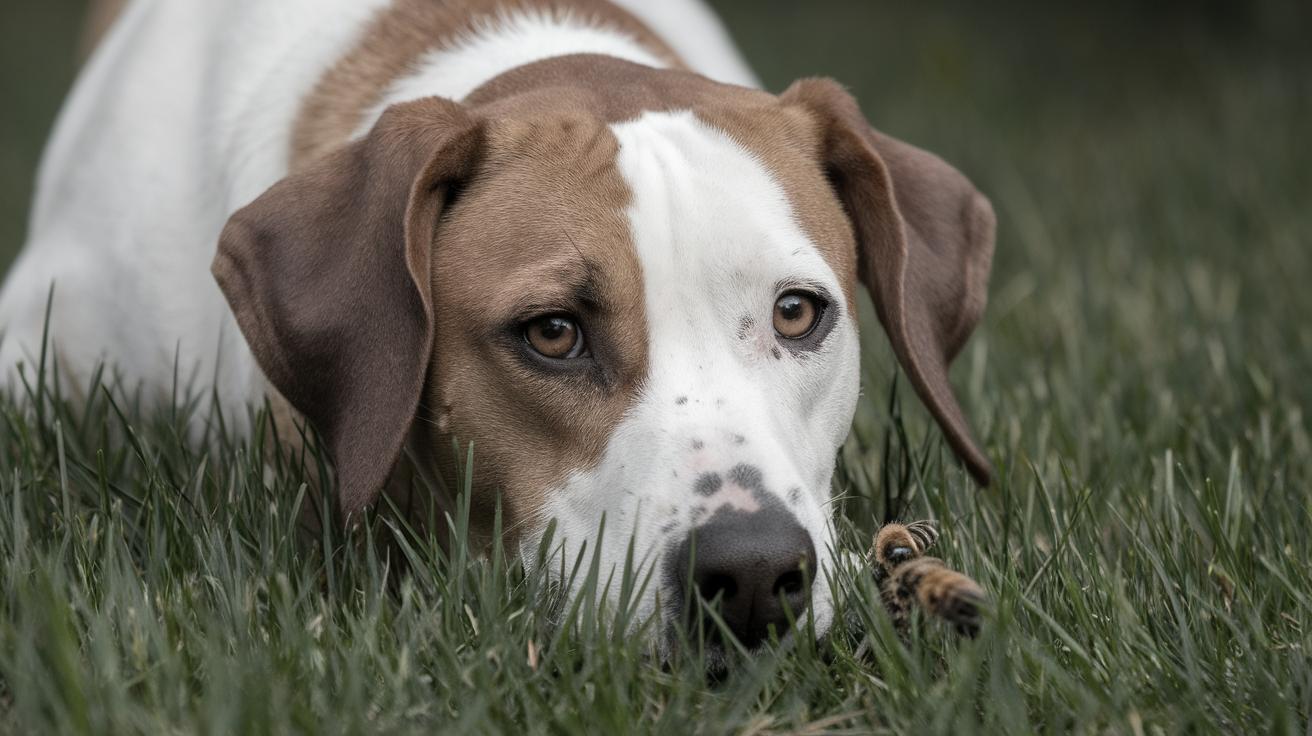
When your dog steps on a bee, immediate action and proper care can prevent complications and ensure swift recovery.
Signs and Symptoms of a Bee Sting in Dogs
A bee sting causes immediate discomfort and distress for your canine companion. The first sign you’ll notice is a sudden yelp or cry when the sting occurs, prompting your pet to lift or favor the affected paw. Upon closer inspection, you’ll observe redness, swelling, and possibly the presence of a stinger at the sting site.
Monitor your dog’s overall demeanor and behavior changes carefully. They may excessively lick or chew at the affected area in response to the irritation and pain. If the sting occurs near sensitive areas like the face, paw pads, or between toes, the discomfort becomes more pronounced, causing your pet to paw at their face or develop a noticeable limp.
Additional symptoms include localized heat at the sting site, mild to moderate pain responses, and temporary behavioral changes such as restlessness or seeking comfort from their owner.
Immediate First Aid: What to Do After a Bee Sting
Remain calm to prevent your dog from feeding off your anxiety and stress. Carefully inspect the affected area for a stinger, as removing it quickly reduces venom absorption and minimizes tissue damage. If you locate the stinger, gently scrape it away with a fingernail or stiff cardboard edge.
Avoid using tweezers or pinching motions, which can squeeze additional venom into the wound. Once the stinger is removed, focus on reducing inflammation and managing pain through cold therapy application.
Apply a cold compress or ice pack wrapped in a thin towel to the area for 10-15 minutes. Ensure your dog remains comfortable and reassured throughout the process. Keeping your pet still and calm helps reduce venom circulation and minimizes the spread of pain and swelling.
Step-by-Step Emergency Response Protocol
Follow this veterinarian-approved sequence for optimal outcomes: First, secure your dog in a calm environment. Second, locate and remove the stinger using proper technique. Third, apply cold therapy immediately. Fourth, monitor for allergic reactions over the next 2-4 hours.
Critical Situations: Head, Mouth, and Nose Stings
Bee stings on the head present elevated risks due to proximity to airways and sensitive tissues. Facial swelling can lead to breathing difficulties, making close monitoring absolutely critical. Check for signs of labored breathing, wheezing, excessive drooling, or difficulty swallowing.
If the sting occurs inside the mouth, on the tongue, or around the nose, contact your veterinarian immediately. These locations pose higher risks for airway obstruction and require professional medical evaluation. Quick veterinary intervention prevents potentially serious respiratory complications.
Emergency warning signs include rapid swelling around the muzzle, difficulty opening the mouth, changes in bark or vocalization, and any signs of respiratory distress.
Recognizing Anaphylactic Reactions in Dogs
Anaphylaxis represents a severe, life-threatening allergic reaction requiring immediate emergency veterinary care. While relatively uncommon, dog owners must recognize and respond swiftly to these critical symptoms. Anaphylactic reactions typically occur within minutes to two hours after the initial sting.
Severe allergic reaction symptoms include vomiting, diarrhea, difficulty breathing, rapid heart rate, pale gums, weakness, collapse, and a dangerous drop in blood pressure. These systemic reactions affect multiple organ systems simultaneously.
Emergency Veterinary Care Indicators
Seek immediate veterinary attention if you observe any severe symptoms following a bee sting. Your veterinarian can administer life-saving treatments including antihistamines, corticosteroids, epinephrine, and supportive care. Time is critical in anaphylactic emergencies, and professional intervention significantly improves outcomes.
Comprehensive Home Care for Bee Stings
Effective home treatment focuses on immediate care, comfort, and ongoing monitoring. After stinger removal and cold compress application, create a baking soda paste using equal parts baking soda and water to neutralize acidic venom and provide soothing relief.
Apply the paste gently to the sting site while preventing your pet from ingesting it through distraction with toys or quiet activities. Monitor your dog continuously over the next 4-6 hours for behavioral changes or increased swelling.
Maintain cleanliness by gently washing the area with mild soap and lukewarm water if necessary. Persistent swelling or signs of infection warrant immediate veterinary consultation for professional assessment and treatment.
Natural Pain Relief Methods
Additional comfort measures include applying diluted apple cider vinegar (1:1 ratio with water) for its anti-inflammatory properties, or using aloe vera gel for its cooling and healing effects. Always test small amounts first to ensure your dog doesn’t have sensitivities.
Antihistamine Administration Guidelines
Antihistamines like diphenhydramine (Benadryl) can effectively manage mild allergic reactions, reducing swelling and discomfort. However, veterinary consultation is essential before administering any medication to ensure proper dosage and safety.
Dosage varies significantly based on your dog’s size, weight, age, and overall health condition. Your veterinarian will calculate the appropriate dose and confirm no contraindications exist with other medications your pet may be taking.
Never self-medicate without professional guidance, as incorrect dosing can worsen conditions or create unnecessary complications that compromise your dog’s health and recovery.
Prevention Strategies for Future Bee Encounters
Proactive prevention reduces the likelihood of future bee sting incidents. Inspect your yard regularly for bee activity, particularly around flowering plants, fruit trees, and water sources where bees commonly gather.
Consider timing outdoor activities during periods of lower bee activity, typically early morning or evening hours. Train your dog to avoid investigating buzzing insects and maintain awareness during walks in areas with high pollinator activity.
Environmental Modifications
Remove fallen fruit from trees, cover garbage cans securely, and avoid using heavily scented products on your pet that might attract bees. Creating a bee-aware environment significantly reduces encounter risks while maintaining your dog’s outdoor enjoyment.
When to Contact Your Veterinarian
Your veterinarian remains your most valuable resource for managing bee sting aftermath and complications. Professional guidance based on your dog’s medical history ensures personalized care and optimal outcomes.
Contact your vet immediately for severe swelling, breathing difficulties, multiple stings, stings in sensitive areas, or any concerning behavioral changes. Don’t hesitate to seek advice for any questions or concerns following a bee incident.
For dogs experiencing frequent stings due to environmental factors, consult your veterinarian about comprehensive preventative measures, which may include environmental modifications, behavioral training, or protective strategies.
Long-term Recovery and Monitoring
Complete healing typically occurs within 24-48 hours for uncomplicated bee stings. Monitor the sting site for signs of secondary infection, including increased redness, warmth, discharge, or persistent swelling beyond 48 hours.
Document the incident details, including time, location, symptoms, and treatment provided. This information proves valuable for future veterinary consultations and helps identify patterns or sensitivities in your dog’s reactions to insect stings.
| Aspect | Action | When to Seek Veterinary Care |
|---|---|---|
| Signs and Symptoms | Monitor for yelps, swelling, and behavior changes | If swelling becomes severe or if breathing difficulties occur |
| Initial Response | Remove the stinger, apply a cold compress | Persistent swelling or signs of distress |
| Head, Mouth, Nose Stings | Observe for difficulty breathing | Immediate veterinary consultation recommended |
| Anaphylaxis | Recognize severe allergic reactions | Urgent veterinary treatment necessary |
| Home Care | Use baking soda paste, keep the area clean | If at-home measures do not reduce swelling |
| Antihistamines | Consult vet before administering | Ensure no contraindications exist |
| Veterinary Consultation | Contact with questions and for guidance | For severe symptoms or frequent stings |