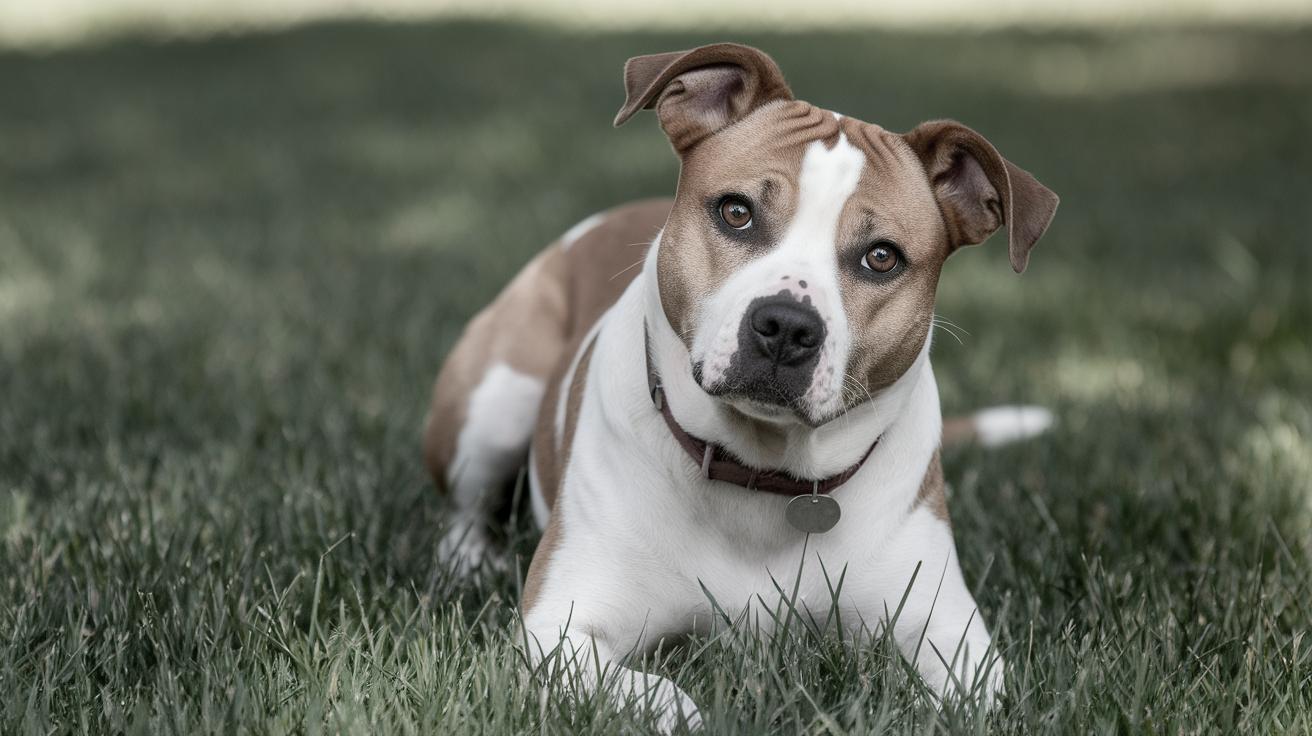
Kennel Cough: When to Worry
Is your furry friend coughing or showing signs of respiratory distress? Kennel cough is a common condition in dogs that can cause concern for many pet owners. In this comprehensive blog post, we’ll explore everything you need to know about kennel cough, including its causes, symptoms, and when to worry. We’ll also share tips on how to care for a dog with kennel cough and ways to prevent it. Whether you suspect your dog is affected or you’re looking to safeguard your canine companion’s health, this guide will provide you with the essential information to make informed decisions and ensure the well-being of your beloved pet.
A summary of kennel cough
Kennel cough, also known as canine infectious tracheobronchitis, is a respiratory condition often likened to a chest cold in humans. It primarily affects the airways, leading to coughing fits and other respiratory symptoms. While it can sound alarming, especially to new pet owners, kennel cough is generally a mild condition.
However, in some cases, it could escalate into something more serious, especially for puppies, elderly dogs, or those with underlying health issues. Understanding when to seek veterinary care is crucial in preventing complications and ensuring your dog’s recovery.
What is kennel cough?
Kennel cough is an infectious bronchitis that causes inflammation in the upper respiratory system of dogs. It’s caused by a combination of bacteria and viruses, with Bordetella bronchiseptica being one of the most common culprits. This highly contagious condition is usually spread in environments where dogs congregate, such as kennels, dog parks, or groomers.
Due to its contagious nature, kennel cough can quickly spread from one dog to another through airborne droplets, direct contact, or contaminated surfaces, making early detection and isolation important in managing an outbreak.
What are the symptoms of kennel cough?
The most prominent symptom of kennel cough is a persistent, dry hacking cough that may sound like your dog is trying to clear their throat. Other symptoms can include sneezing, nasal discharge, and a mild fever. In some cases, dogs may exhibit a lack of appetite or lethargy, although these are less common.
Symptoms usually appear within a few days of exposure and can last for a week or more. While the disease is typically self-limiting, monitoring your dog’s condition is important to ensure symptoms do not worsen or indicate complications such as pneumonia.
How do dogs get kennel cough?
Kennel cough spreads much like the common cold or flu in humans. Dogs can contract the condition if they are in close proximity to an infected dog or exposed to contaminated objects, such as water bowls or toys. The bacterium and viruses causing kennel cough can survive in the environment for a period, allowing for the easy transmission of the disease.
High-risk areas include places where dogs frequently come into close contact with each other. This is why vaccinations are often required by dog boarding facilities or doggy daycare centers to prevent outbreaks.
How dangerous is kennel cough?
In the majority of cases, kennel cough is a mild and self-limiting condition, resolving without treatment in a few weeks. However, certain dogs, such as puppies, older dogs, or those with pre-existing conditions, may be at a higher risk of developing complications.
If a dog experiences severe symptoms or the condition leads to pneumonia, medical intervention may be necessary. Ensuring adequate hydration, nutrition, and supportive care can aid recovery and reduce the chance of complications.
What is the incubation period?
The incubation period for kennel cough, which is the time between exposure to the disease and the appearance of symptoms, generally ranges from two to fourteen days. During this time, the infected dog may already be capable of spreading the disease before showing noticeable symptoms.
Recognizing the incubation period is important when considering the dog’s interactions with other animals and thus averting further spread during the asymptomatic phase.
What should I do if I think my dog has kennel cough?
If you suspect your dog has kennel cough, it’s important to keep them away from other dogs and consult your veterinarian, especially if it’s the first time your pet shows such symptoms. Your vet may recommend supportive care, such as rest and hydration, and may prescribe antibiotics if a bacterial infection is suspected.
Keeping your dog comfortable and monitoring their symptoms closely will help you know if medical intervention is necessary or if your dog can recover at home.
How long is kennel cough contagious?
Dogs with kennel cough are generally contagious for about two weeks, but this period can vary depending on the individual case and health of the dog. Even after symptoms have resolved, the bacteria or virus can linger.
Keeping your dog isolated from others for a few weeks and taking preventive measures can help curb the spread of the disease and keep other dogs safe.
How can I look after a dog with kennel cough?
Caring for a dog with kennel cough involves providing a stress-free environment, ensuring they have plenty of fluids and rest, and occasionally using a humidifier to help soothe irritated airways. Avoid exercise and excitement to prevent further straining their respiratory system.
Following your veterinarian’s advice is key, and keeping a close eye on your dog’s health will ensure that complications are caught early and managed effectively.
Can my dog get kennel cough more than once?
Yes, a dog can contract kennel cough multiple times, much like humans can catch colds repeatedly. Different strains of viruses and bacteria can cause the condition, meaning dogs are not immune for life after an infection.
Regular vaccinations and minimizing exposure to known risk areas can reduce recurrence, although they may not provide complete immunity.
How can I prevent my dog from getting kennel cough?
Preventing kennel cough involves vaccinations, good hygiene practices, and minimizing contact with infected dogs. Vaccines do not guarantee immunity but can significantly reduce the chances and severity of infection.
Ensuring your dog’s environment is clean, practicing good habits, and avoiding crowded dog areas during outbreaks can also help lower risk.
Think your dog may be affected?
If you believe your dog may have kennel cough, consider contacting your veterinarian to discuss symptoms and potential care options. Early intervention and isolation from other dogs can prevent spread and allow for proper management at home or under professional care.
Your vet can also guide you on recommended vaccinations and preventive measures to protect your dog in the future.
Find a vet near you
Finding a reliable veterinarian near you is crucial for maintaining your pet’s health and dealing with any medical concerns like kennel cough promptly. Utilize local directories, online reviews, and recommendations from fellow pet owners to choose a vet that you trust and feel comfortable with.
Building a relationship with your vet ensures you have access to valuable advice and peace of mind regarding your pet’s well-being.
Recent Posts
-
Understanding Canine Nutrition: What Every Dog Owner Should Know
-
Top 5 Dog-Friendly Parks in Your City
-
The Importance of Regular Vet Check-Ups
Summary of main points
| Topic | Key Points |
|---|---|
| Kennel Cough Overview | Highly contagious; caused by bacteria and viruses; often mild but needs monitoring. |
| Symptoms | Persistent, dry cough; sneezing; nasal discharge; occasional fever. |
| Transmission | Spread through droplets; environments with many dogs are high risk. |
| Treatment & Care | Rest, hydration, avoid exposure to others; consult vet if severe. |
| Prevention | Vaccinations; hygiene; avoid crowded areas during outbreaks. |