Why Do Dogs Bury Their Food?
Many dog owners have witnessed their furry companions engaging in the curious behavior of burying their food. This age-old practice, driven by instinct and survival strategies, reflects the innate behaviors inherited from their wild ancestors. Understanding why dogs exhibit this behavior can help owners better cater to their pets’ needs and enhance the bond shared with their canine friends. In this blog post, we explore the origins of food burying, the psychological and survival instincts behind it, health implications, and whether this habit is prevalent among certain breeds. By delving into these aspects, pet owners can discern if intervention is necessary and gain insight into the rich world of canine behavior.
Where does this behaviour come from?
The instinct of burying food traces back to dogs’ wild ancestors, wolves. In the wild, wolves often caught more food than they could consume at once. To ensure none of it went to waste, they developed the habit of burying leftovers in nearby soil. This behavior, known as “caching,” sanctified their future meals from other predators and kept the food chillingly preserved in a natural setting.
As domesticated animals, dogs retain many of these primitive instincts, which are hardwired into their behavioral repertoire. Even though their meals are now reliably provided, the ancient drive to save food “for a rainy day” remains lodged in modern dogs’ psyche. This intrinsic behavior serves as a reminder of their evolutionary journey and the survival tactics that enabled their ancestors to thrive.
Why does your dog think burying food is a good idea?
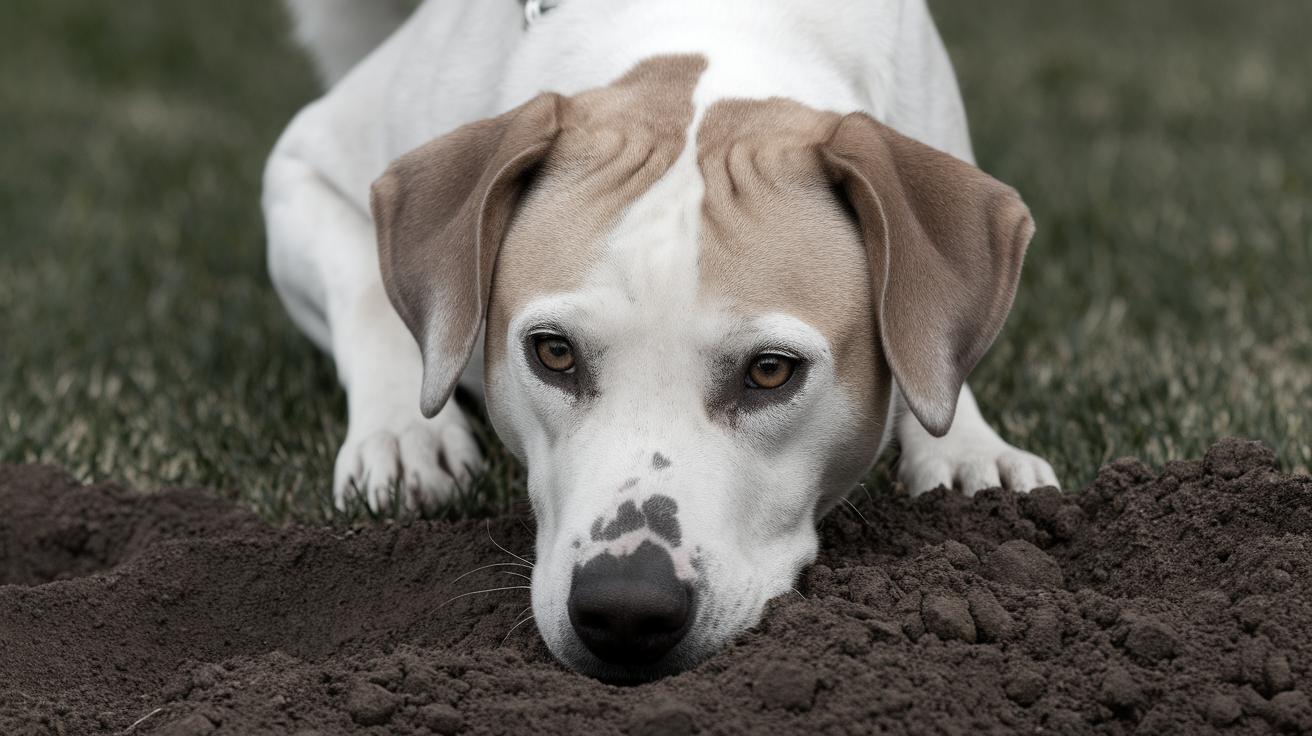
For many dogs, burying food is a practical decision rooted in instinctive preservation and appreciation of abundance. When surplus food is present, it triggers a natural response to store it safely for future scarcity. Additionally, the act of burying itself can be satisfying. The repetitive motions of digging or nudging earth provide mental stimulation and physical exercise, resulting in a rewarding experience for the dog.
Moreover, particular contexts may prompt this behavior. For instance, competition with other pets in the household or changes in the dog’s environment can amplify the urge to protect resources. It echoes an ancient struggle, where securing one’s meal was paramount to survival. Recognizing these cues allows owners to better understand their dog’s motivations and adapt their care accordingly.
Can my dog get sick from eating buried food?
While dogs possess resilient digestive systems that can withstand a variety of conditions, eating buried food can pose health risks, especially if it has been in the ground for an extended period. The natural decomposition process introduces bacteria and mold, which could lead to gastrointestinal distress or more severe conditions like food poisoning.
As a precaution, it’s vital for pet owners to monitor their dogs’ eating habits and intervene if they exhibit signs of illness. Dogs may develop symptoms such as vomiting, diarrhea, or lethargy after consuming contaminated food. By observing these reactions early and consulting a veterinarian, owners can ensure their pet’s health and well-being while maintaining a safe environment.
Is it just food that dogs bury?
Food isn’t the only item prone to burial by dogs; they may also decide to hide toys, bones, or other possessions. This behavior often stems from the same intrinsic drive to protect cherished items. In the wild, prized possessions were resources essential for survival, so safeguarding them from predators or competitors was crucial.
Additionally, a dog might bury things to prevent boredom or as a playful activity. Closely observed, this act may seem like a game rather than a strategic recourse. Understanding that similar instincts govern both behaviors allows pet owners to evaluate whether an intervention is necessary or if it merely showcases their dog’s playful nature.
Which dog breeds commonly bury food?
While any dog might exhibit burying behavior, certain breeds are more predisposed due to their history and developed instincts. Breeds like terriers, hounds, and Daschunds, known for their alert and hunting prowess, are more inclined to bury food or objects. Their lineage, filled with roles involving tunneling, tracking, or retrieving, currencies their drive to conceal possessions for future access.
However, individual personality and environment may override breed tendencies. Observant pet owners notice patterns specific to their dog’s needs and motivations. Training and consistent routines can assist in managing or redirecting these behaviors if they become problematic or undesirable.
Should I stop my dog from burying things?
Determining whether to intervene depends on the context and impact of the behavior on the dog’s life. If burying becomes compulsive, leads to resource aggression, or endangers the dog’s health, consulting with a veterinarian or animal behaviorist is advisable. By seeking professional guidance, owners can address potential underlying anxiety or stressors contributing to the behavior.
Alternatively, if the habit is harmless and isolated, permitting it can offer enrichment and cognitive engagement. Owners can redirect indoor burying tendencies by allocating specific outdoor spaces or offering alternative activities to satisfy their dog’s instincts. Creating balance is key, promoting a healthy, happy relationship between pet and owner.
Related Topics
Understanding canine behavior involves examining various connected practices. Digging, for example, often accompanies burying and extends into territory marking or self-entertainment. Exploring this topic reveals insights into how diverse environmental and psychological factors shape dog behavior.
Additionally, resource guarding is a notion tied closely with burying food or objects. While protective instincts serve evolutionary purposes, recognizing the line where they transition into stress or disruption is crucial for effective management. Together, these topics offer a foundation for creating a nurturing environment tailored to a dog’s needs and instincts.
Final Thoughts
| Aspect | Summary |
|---|---|
| Origins | This behavior stems from wild ancestors like wolves who cached food to protect it from predators. |
| Motivation | Dogs bury food due to survival instincts, practical storage needs, and enjoyment of the process. |
| Health Concerns | Consuming buried food entails health risks; monitor for signs of distress and consult a vet if needed. |
| Objects Buried | Besides food, dogs may bury toys or bones to safeguard or as a playful activity. |
| Breeds | Breeds like terriers and hounds commonly display burying behavior due to their heritage. |
| Owner Intervention | Intervention may be required if burial behavior is compulsive or harmful; harmless habits might be indulged. |