
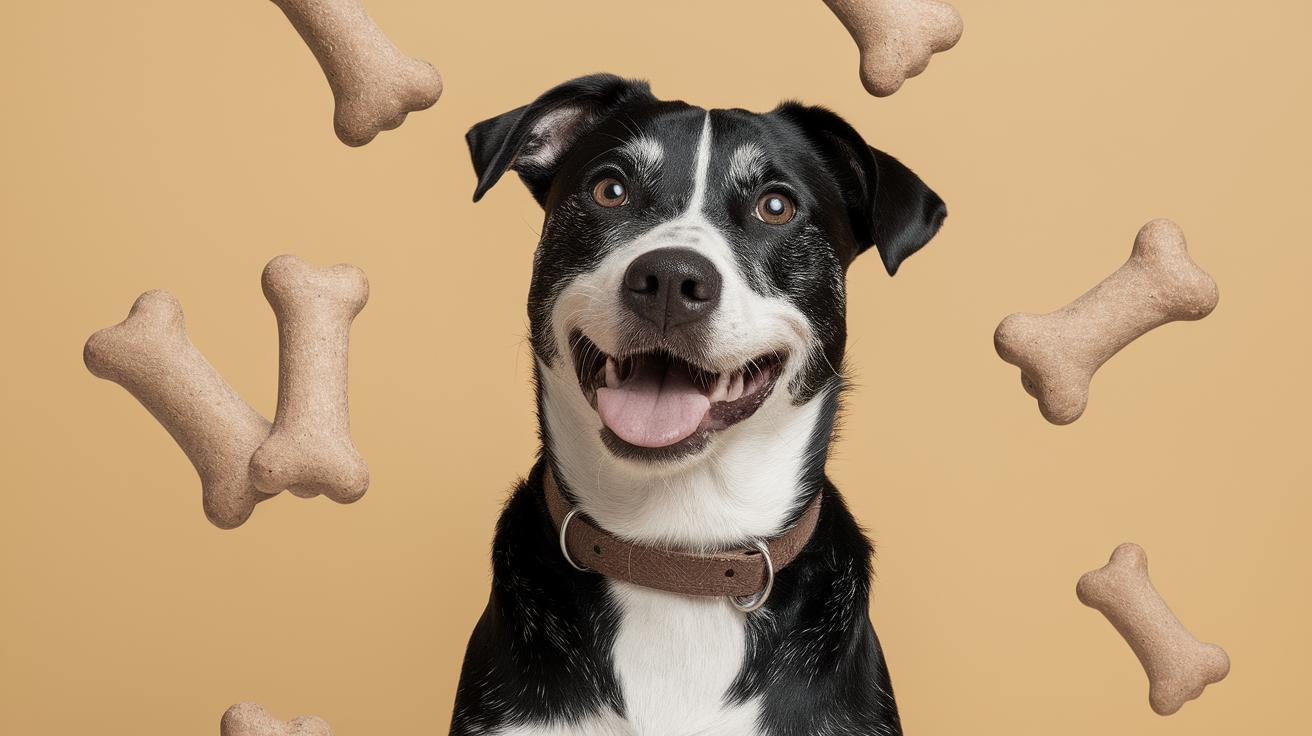
Healthy Snacks for Dogs
Our canine companions bring joy and companionship into our lives, and as responsible pet owners, we strive to ensure they maintain a healthy diet. This blog post explores a variety of nutritious snacks that will keep your dog happy and healthy without compromising their well-being. We will delve into essential tips for healthy eating, dive into protein options, discuss the benefits of kibble, and cover why dogs love peanut butter. We’ll also look at the advantages of pumpkin and apples, the role of vegetables, and explore where you can find nutritious homemade recipes. We will also highlight foods to avoid and offer guidance on helping your dog maintain a healthy weight. As we explore these dietary options, remember to always keep your vet informed of any major changes in your dog’s diet.
Tips for Healthy Eating
When it comes to feeding your dog, balance and portion control are crucial. Dogs, like humans, rely on a diet that features a mix of proteins, carbohydrates, and fats. It’s important to choose snacks that complement their main meals rather than overloading them with unnecessary calories.
Always read the labels on commercial dog snacks to ensure they are made from high-quality ingredients without artificial additives. Additionally, consider consulting your veterinarian for personalized advice tailored to your dog’s specific dietary needs, age, and health condition.
Protein – Helping Your Dog ‘Meat’ Their Weight Loss Goals
Protein is a key component of a dog’s diet, aiding in muscle development and repair. Lean meats such as chicken or turkey can be excellent sources of protein that provide essential nutrients while helping your dog feel full longer, aiding in weight management.
Incorporating proteins like fish can also provide your dog with omega-3 fatty acids, which promote a healthy coat and skin. When choosing meat snacks, opt for those without added preservatives and ensure they are cooked through to avoid harmful bacteria.
Kibble – For When They Just Want a Nibble
Kibble is a convenient snack option that can be easily measured for portion control. It’s typically packed with essential nutrients and can be chosen to suit your dog’s specific needs, such as grain-free or tailored for specific breeds.
When selecting kibble snacks, look for formulas that emphasize high-quality protein sources and whole grains. They are not only a convenient option but also help to satisfy your dog’s natural chewing instinct while promoting dental health.
Peanut Butter – Your Dog Will Go ‘Nuts’ for It
Many dogs love peanut butter, and it can serve as a tasty treat when given in moderation. Peanut butter is rich in healthy fats and protein, making it a satisfying snack when spread onto toys or used in baking homemade dog treats.
Always opt for unsalted, xylitol-free peanut butter, as xylitol is toxic to dogs. A small spoonful can provide great enrichment activities, keeping dogs engaged and happy while controlling calorie intake.
Pumpkin – Helping You ‘Carve’ Out a Healthy Diet
Pumpkin is an excellent source of fiber and essential vitamins that can aid in digestion. Pureed pumpkin can be mixed into dog meals or served as a standalone snack, providing numerous health benefits without adding excess calories.
Dogs suffering from digestive issues might find relief with a small addition of pumpkin to their diet, helping to regulate bowel movements. It’s an effective and natural way to provide support to your dog’s gastrointestinal health.
Apple – A Very ‘A-peel-ing’ Snack
Apples offer a crispy, sweet treat that provides vitamins A and C, as well as fiber. When sliced into bite-sized pieces, apples can be a refreshing and healthy snack option that many dogs find irresistible.
Ensure that you remove the core and seeds, as they contain small amounts of cyanide, which can be harmful to dogs. A few apple slices a day can add an exciting texture to your dog’s diet while promoting dental hygiene.
Vegetable Snacks for Dogs – Keeping Your Dog ‘Full of Beans’
Vegetables such as carrots, green beans, and sweet potatoes are fantastic low-calorie dog snacks rich in vitamins and fiber. These crunchy treats provide a satisfying texture that many dogs enjoy and can help keep their teeth clean naturally.
Steamed or raw, these vegetables can be offered as a snack or mixed into their regular meals. Always ensure they are cut into manageable sizes to prevent choking, and gradually introduce new vegetables to avoid digestive upset.
Where Can I Find Healthy, Homemade Recipes for My Dog?
Homemade snacks are a great way to control what goes into your dog’s treats and can be a fun bonding activity. Online resources, gourmet dog recipe books, and pet care blogs offer numerous recipes tailored to various dietary needs and preferences.
Always ensure that homemade recipes avoid harmful ingredients, such as onions or garlic, and stick to dog-friendly options. Engaging in a cooking session for your pet can ensure you provide both nutritious and delicious treats perfect for your dog’s palette.
Foods Not to Give Your Dog
Some foods that are safe for human consumption can be harmful or even fatal for dogs. Chocolate, grapes, raisins, onions, garlic, and foods containing xylitol should always be avoided to prevent toxic reactions.
Being aware of these dangerous foods and educating family members ensures a safer environment for your pet. Always store harmful foods out of reach and consult with your vet if you’re unsure about snack safety.
What’s the Healthiest Way to Help My Dog Lose Weight?
Helping your dog maintain a healthy weight involves balancing diet and exercise. Start by offering low-calorie, nutrient-rich snacks and reducing high-calorie commercial treats. Regular walks and playtime can boost your dog’s metabolism and enhance their overall fitness.
Consulting with a veterinarian can tailor a weight loss program that suits your dog’s age, breed, and health status, ensuring a safe and effective journey towards a leaner life. Gradual weight loss is key to sustaining long-term health benefits.
Important Things to Remember
Portion control and regular vet check-ups are essential components of maintaining a balanced diet for your dog. Monitoring any changes in behavior or health can prevent drastic issues and keep your dog happy and healthy.
Adjust your dog’s diet as they age and their nutritional needs change. Remember that consistency is important in a dog’s diet, so introduce new snacks gradually and observe their response, seeking professional advice when necessary.
Related Topics
In exploring healthier food choices for your dog, consider reading about natural supplements that support canine health, or delve into articles on specific dietary requirements for dogs with allergies, diabetes, or other health concerns.
| Topic | Key Points |
|---|---|
| Healthy Eating Tips | Balance, portion control, and high-quality ingredients. |
| Protein Snacks | Lean meats, essential nutrients, aids weight management. |
| Kibble | Convenient, varied formulas, dental health benefits. |
| Peanut Butter | Rich in healthy fats and protein, moderation needed. |
| Pumpkin | Fiber-rich, aids digestion. |
| Apple Snacks | Vitamins A & C, fiber, promote dental hygiene. |
| Vegetable Snacks | Low-calorie, crunchy, vitamin-rich. |
| Homemade Recipes | Personalized, control over ingredients, dog-safe. |
| Foods to Avoid | Chocolate, grapes, xylitol, and other harmful foods. |
| Weight Loss | Low-calorie snacks, exercise, veterinary advice. |
| Important Reminders | Portion control, vet check-ups, consistency. |