
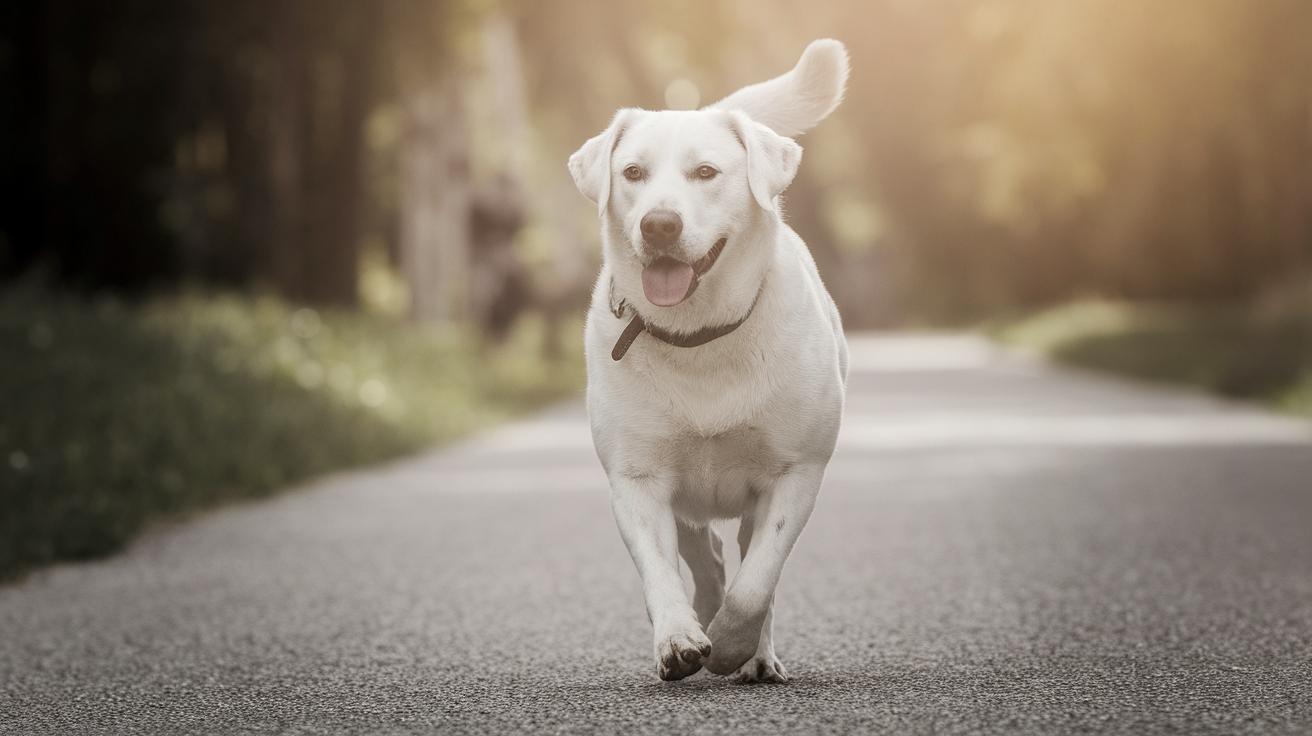
Is It Too Hot to Walk My Dog?
During the warmer months, ensuring the safety of your canine companion becomes increasingly important. Certainly, knowing the appropriate temperature for outdoor dog walks is crucial. This blog post delves into what constitutes dangerously hot conditions for dogs, how long you can safely walk them in the heat, and offers practical advice on keeping your pet safe and comfortable on scorching days. Whether it’s assessing pavement temperatures or recognizing signs of heat stroke, these insights will ensure both you and your furry friend enjoy the sunny season safely.
What temperature is too hot to walk your dog?
When considering if it’s too hot to walk your dog, the temperature itself is just one piece of the puzzle. Generally, when temperatures reach above 85°F (29°C), it becomes risky to take dogs for a walk, especially certain breeds that are more susceptible to heat. Factors such as humidity and direct sunlight can exacerbate the heat, making it feel much hotter than the thermometer reads. As a rule of thumb, walk your dog early in the morning or late in the evening when temperatures are cooler.
Beyond the ambient temperature, it’s important to understand your dog’s specific needs. Certain breeds, such as brachycephalic dogs like Bulldogs and Pugs, have a harder time breathing in hot and humid conditions. Age, weight, and coat type also play significant roles in determining how a dog handles high temperatures. Always err on the side of caution if you’re ever unsure whether it’s too hot for a walk.
How Long Can Dogs Walk in Hot Weather?
The duration of a safe walk in hot weather depends greatly on the intensity of the heat and each dog’s individual tolerance. While some dogs might be fine with a brisk 10-15 minute walk, others may struggle even in half this time. Pay attention to your dog’s behavior; if they seem lethargic or resistant, it’s time to cut the walk short and find a cool place to rest.
Additionally, monitor their hydration levels. Dogs typically pant to regulate their body heat, which can lead to dehydration in hot conditions. Always bring a collapsible dog bowl and a bottle of water. Frequent, short walks with rest breaks in shady areas are the best strategy to keep your dog safe and comfortable.
Check the pavement temperature, too.
Pavement can become dangerously hot for dogs’ paws at air temperatures above 75°F (24°C). To test the pavement, press the back of your hand against it for seven seconds. If it’s too hot to keep your hand there, it’s also too hot for your dog’s sensitive paw pads. Consider walking on grass whenever possible and avoid the hottest parts of the day.
Paw pads can burn and blister easily, which is incredibly painful for dogs. If your dog must walk on pavement, you can apply a paw balm to protect their feet and regularly check for any signs of damage. Dog booties are also a good option for added protection, though some dogs may need time to adjust to wearing them.
Signs of heat stroke in dogs
Heat stroke is a serious risk for dogs in hot weather and can be life-threatening. Early signs include excessive panting, drooling, and a bright red tongue. As it progresses, symptoms can worsen to include vomiting, diarrhea, and even seizures. Recognizing these signs early is crucial in preventing severe outcomes.
Dogs suffering from heat stroke require immediate treatment. Move your dog to a cooler environment, apply cool, wet towels to their body, and offer small amounts of water. Avoid using ice-cold water on your dog as it can constrict blood vessels and slow the cooling process. Always contact a veterinarian for further guidance.
How to safely walk your dog on hot days
What heat index is safe for dogs?
Understanding the heat index is vital in determining safe walking conditions. The heat index combines air temperature and humidity to gauge how hot it feels. When the heat index reaches 90°F (32°C) or higher, it becomes unsafe for most dogs to be outside for extended periods. Reduce outdoor activity and provide plenty of water during this time.
Plan and time your route
Planning your walk can make a significant difference in keeping your dog comfortable. Choose routes that have ample shade or access to water sources, and avoid open, sun-exposed areas. Timing your walks during the early morning or late evening not only avoids peak heat but also maximizes cooler temperatures for a more pleasant experience.
Cool your car down
If your walk involves driving to a specific location, ensure your car is cool before placing your dog inside. Cars can heat up rapidly, creating a dangerous environment even for short periods. Park in the shade, keep windows slightly open, and run the air conditioning for a few minutes before the journey.
Take water with you
Hydration is key during hot weather. Carry a portable water bottle and dog bowl, and offer water frequently during the walk. Encourage your dog to drink small amounts at intervals to prevent dehydration and help regulate their body temperature.
Help your dog cool off
If your dog begins to overheat, seek out a shaded or cool area immediately. Utilize available water sources, such as fountains or streams, to dampen your dog’s fur, which helps with evaporative cooling. Promoting a cooling environment, such as an air-conditioned room or a fan, is beneficial once the walk is over.
Learn More from Stella & Chewy’s
For additional insights into keeping your dog safe during warm weather, Stella & Chewy’s offers resources and expert advice tailored to pet care. They provide information on preparing dogs for various climates, as well as tips for maintaining a healthy lifestyle year-round. Engaging with pet specialist communities like these can offer invaluable support and knowledge.
Stella & Chewy’s also shares pet nutrition advice, helping owners ensure their dogs have the energy and nutrients needed to handle both routine activities and more extreme weather conditions. Explore their website and consult their guides to further enhance your understanding of dog wellness.
Next steps
| Topic | Summary |
|---|---|
| Temperatures | Above 85°F can be risky; consider humidity and sunlight. Walk during cooler parts of the day. |
| Walk Duration | Monitor dog behavior, adjust duration. Bring water and take breaks in shade. |
| Pavement Check | Test with your hand for 7 seconds. Use grass or protective gear for paws. |
| Heat Stroke Signs | Watch for panting, drooling, and lethargy. Move to cool environment immediately. |
| Safety Tips | Plan cool routes, hydrate, carry water, and cool off after walks. |