
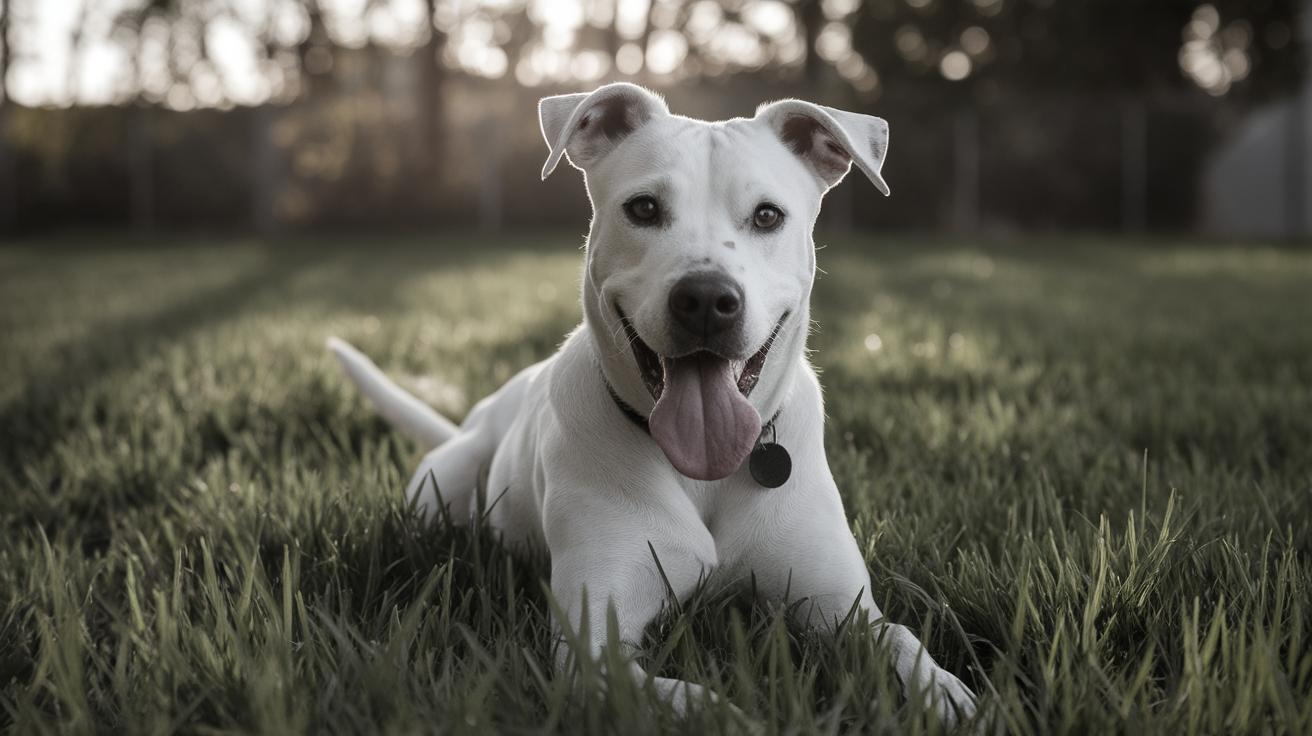
Explore the fascinating world of canine diversity with our expertly curated guide to dog breeds from A to Z, featuring breed characteristics, temperaments, and care requirements for 2025.
Understanding Dog Breed Classification and Diversity
Dog breeds beginning with various letters embody distinct characteristics and histories, reflecting their diverse backgrounds shaped by centuries of selective breeding. Modern canine genetics research from 2025 reveals over 340 recognized dog breeds worldwide, each developed for specific purposes ranging from hunting and herding to companionship and protection.
From size variations spanning 2-pound Chihuahuas to 200-pound Mastiffs, the spectrum of dog breeds presents something for every lifestyle and living situation. Whether seeking a working dog for specific tasks or a gentle family companion, each breed holds intrinsic value cherished by dog lovers across the globe, with breed popularity trends shifting significantly in recent years.
Group A Dog Breeds: Afghan to Australian
Among the ‘A’ breeds, the Afghan Hound stands out with its elegant appearance and regal demeanor, originally bred for hunting in Afghanistan’s mountainous terrain. Known for its flowing coat and independent personality, this sighthound requires regular grooming sessions lasting 2-3 hours weekly but rewards owners with unwavering loyalty and striking beauty.
The Alaskan Malamute, a powerhouse in strength weighing 75-100 pounds, is admired for its stamina and endurance in extreme conditions. Originating from the Arctic regions over 4,000 years ago, this ancient breed thrives in cold climates and excels in activities like sledding, hiking, and weight pulling competitions.
The Australian Shepherd, despite its name originating in the American West, demonstrates exceptional intelligence ranking 42nd in Stanley Coren’s canine intelligence studies. These medium-sized herding dogs require 2+ hours of daily exercise and mental stimulation, making them ideal for active families and dog sports enthusiasts.
Group B Dog Breeds: Beagle to Bulldog
The Beagle, consistently ranking in the top 10 most popular breeds according to 2024 AKC statistics, is celebrated for its friendly nature and exceptional scenting ability with 220 million scent receptors. Their compact 20-30 pound size, coupled with a moderate exercise requirement of 1 hour daily, makes them excellent family pets for suburban living.
Border Collies, renowned as the most intelligent dog breed in multiple canine cognition studies, excel in obedience trials with success rates exceeding 95% in advanced training programs. This breed demands consistent mental challenges and 2-3 hours of daily activity to satisfy their high energy levels and prevent destructive behaviors.
The Boston Terrier, nicknamed “The American Gentleman,” represents one of the few breeds developed entirely in the United States during the 1870s. These compact 12-25 pound companions adapt well to apartment living while maintaining their characteristic friendly disposition and minimal grooming requirements.
Group C Dog Breeds: Chihuahua to Collie
The Chihuahua, weighing just 2-6 pounds as the world’s smallest dog breed, compensates for size with enormous personality and surprising longevity averaging 14-16 years. Despite their tiny stature, they exhibit remarkable courage and form intensely loyal bonds with their owners, often displaying protective behaviors toward much larger threats.
Cocker Spaniels, beloved for their gentle disposition and expressive eyes, thrive in family settings where they receive adequate socialization and exercise. This breed benefits from professional grooming every 6-8 weeks and requires 45-60 minutes of daily activity to maintain their naturally cheerful temperament and prevent weight gain.
The Cavalier King Charles Spaniel, consistently rated among the most affectionate breeds, demonstrates exceptional therapy dog potential with certification rates exceeding 80% in formal programs. These 13-18 pound spaniels excel in multi-pet households and adapt readily to various living situations from apartments to large homes.
Group D Dog Breeds: Dachshund to Doberman
Dachshunds, with their distinctive elongated bodies and brave temperament, were originally bred in Germany for badger hunting, explaining their fearless nature despite weighing only 16-32 pounds. Often called “wiener dogs,” they make spirited companions known for digging behaviors and require back-supportive care to prevent intervertebral disc disease.
The Doberman Pinscher, developed in the 1890s by tax collector Louis Dobermann, combines elegance with protective instincts in a 60-100 pound athletic frame. With proper socialization and consistent training, this breed becomes a devoted family guardian while maintaining gentle interactions with children and household members.
Dalmatians, famous for their distinctive spotted coats and historical association with firehouses, require extensive daily exercise exceeding 2 hours to prevent behavioral issues. These energetic dogs, weighing 45-70 pounds, excel in running activities and benefit from experienced owners who understand their high-energy requirements and potential for deafness.
Group E Dog Breeds: English Breeds and More
The English Bulldog, with its iconic wrinkled face and stocky 40-50 pound build, represents one of England’s national symbols while requiring special care for breathing and temperature regulation. Despite their formidable appearance, modern Bulldogs are exceptionally gentle and thrive in air-conditioned environments with moderate exercise limited to cooler parts of the day.
The energetic English Springer Spaniel excels in hunting and retrieving activities, demonstrating remarkable versatility in both field work and family companionship. This 40-50 pound breed flourishes with mental and physical engagement, often participating in dog sports like agility, tracking, and competitive obedience with impressive success rates.
The English Setter, known for its feathered coat and gentle temperament, requires extensive grooming and exercise to maintain its natural beauty and athletic condition. These 45-80 pound sporting dogs benefit from rural or suburban environments where they can safely explore and exercise their strong hunting instincts.
Group F Dog Breeds: French to Finnish
French Bulldogs, easily recognized by their distinctive bat-like ears and compact 16-28 pound frame, have surged to become the most popular breed in major cities according to 2024 registration data. This breed suits urban living perfectly, providing endless entertainment with their playful antics while requiring minimal exercise and adapting well to apartment constraints.
The Finnish Spitz, known as Finland’s national dog and nicknamed the “Finnish Barking Bird Dog,” boasts a spirited and intelligent personality with fox-like appearance. With their distinctive curled tail and golden-red coat, this 20-35 pound breed requires consistent interaction and rewards owners with affectionate loyalty and natural hunting abilities.
Fox Terriers, both Wire and Smooth varieties, demonstrate exceptional courage and intelligence in compact 16-18 pound packages originally bred for fox hunting in England. These energetic terriers require experienced handling and consistent training to channel their natural prey drive and independent thinking into positive behaviors.
Group G Dog Breeds: German to Great
The German Shepherd, consistently ranking among the top 3 most popular breeds globally, excels as a working dog in police, military, and service roles with success rates exceeding 90% in professional training programs. Their intelligence, loyalty, and protective instincts, combined with their 50-90 pound athletic build, make them exceptional companions for experienced dog owners.
The Great Dane, often called the “gentle giant,” offers an imposing yet affectionate presence in a 110-175 pound frame that can stand over 30 inches tall. Despite their colossal size requiring significant space and food budgets averaging $2,000+ annually, these dogs display remarkably gentle temperaments and form strong family bonds.
The Golden Retriever, beloved for their intelligence and trainability, maintains consistent popularity as both family pets and service dogs with therapy certification rates exceeding 85%. These 55-75 pound retrievers require daily exercise and regular grooming but reward families with unwavering loyalty and exceptional patience with children.
Group H Dog Breeds: Husky to Hound
The Siberian Husky, renowned for its striking blue or multicolored eyes and thick double coat, thrives in active households capable of providing 2+ hours of daily exercise. Famous for their endurance in sled racing and ability to work in temperatures below -50°F, they demand experienced owners who understand their high exercise needs and escape artist tendencies.
The Havanese, Cuba’s national dog and the only breed native to the island, makes an ideal companion for families seeking a hypoallergenic option in a 7-13 pound package. Known for their non-shedding silky coat and exceptional therapy dog potential, these dogs adapt well to various living situations while maintaining their naturally cheerful disposition.
Hunting Hounds, including Bloodhounds, Basset Hounds, and Coonhounds, share exceptional scenting abilities with some breeds possessing over 300 million scent receptors. These specialized breeds require understanding of their strong prey drive and tendency to follow scents, making secure fencing and leash training essential for safe ownership.
Group I Dog Breeds: Irish to Italian
The Irish Setter, admired for its flowing red coat and graceful movement, embodies enthusiasm and athleticism in a 60-70 pound sporting dog package. This breed thrives on companionship and requires substantial daily exercise exceeding 90 minutes, excelling in homes with active lifestyles and access to safe running areas.
The Ibizan Hound, with its sleek physique and remarkable jumping ability reaching heights of 6+ feet, demonstrates keen hunting instincts developed over 3,000 years in the Mediterranean. This 45-50 pound sighthound enjoys mental stimulation and benefits from secure, high-fenced environments where they can safely exercise their natural athleticism.
Italian Greyhounds, the smallest of the sighthound family at 7-14 pounds, combine elegance with surprising speed capabilities reaching 25+ mph in short bursts. These delicate companions require warm clothing in cold weather and gentle handling but reward owners with affectionate lap dog behavior and minimal grooming requirements.
Group J Dog Breeds: Jack Russell to Japanese
Jack Russell Terriers, known for their intelligence and explosive energy in compact 13-17 pound bodies, excel in agility sports and require experienced owners who can provide consistent mental and physical challenges. Despite their small size, they possess remarkable athleticism and determination, often outperforming much larger dogs in competitive events.
The Japanese Chin, with its noble demeanor and distinctive flat face, makes a delightful lap dog perfectly suited for apartment living and senior companionship. This 7-11 pound breed thrives on attention and gentle interaction, preferring quiet, affectionate environments over high-energy activities or rough play.
Japanese Spitz, resembling a smaller version of the Samoyed, offers fluffy white beauty in a manageable 11-20 pound size with surprisingly low grooming requirements despite their luxurious coat. These intelligent companions adapt well to various living situations while maintaining their naturally alert and friendly disposition.
Group K Dog Breeds: Keeshond to Komondor
The Keeshond, often recognized by their distinctive “spectacles” facial markings and plush double coat, served as companions to Dutch barge workers and remain excellent family dogs today. Originally weighing 35-45 pounds, they are naturally sociable and excel in interactive play while requiring regular brushing to maintain their beautiful coat condition.
Komondors, notable for their unique corded coat resembling dreadlocks, serve as excellent livestock guardians with protective instincts developed over 1,000 years in Hungary. This 80-130 pound breed forms strong family bonds while maintaining vigilant watch over their territory, requiring experienced handling and early socialization for optimal temperament development.
The Kerry Blue Terrier, Ireland’s national terrier with its distinctive blue-gray coat, demonstrates versatility as both working dog and family companion in a 33-40 pound athletic frame. These intelligent terriers require regular professional grooming every 6-8 weeks and benefit from consistent training to channel their natural terrier independence.
Group L Dog Breeds: Labrador to Lhasa
The Labrador Retriever, maintaining the #1 popularity ranking for over 30 consecutive years according to AKC statistics, demonstrates exceptional versatility as family pets, service dogs, and working companions. These 55-80 pound retrievers excel in obedience training with success rates exceeding 95% and thrive on companionship, swimming, and retrieving activities.
Lhasa Apsos, originally bred as palace guards in Tibet, combine beauty with independence in compact 12-18 pound packages that belie their confident personalities. Despite their small size, they carry themselves with dignity and serve as excellent watchdogs, requiring regular grooming and patient training to manage their naturally suspicious nature toward strangers.
The Leonberger, a gentle giant weighing 90-170 pounds, was specifically bred to resemble the lion on the town crest of Leonberg, Germany. These magnificent dogs combine the best traits of Newfoundlands, Saint Bernards, and Pyrenean Mountain Dogs, resulting in exceptional family companions with natural water rescue abilities.
Group M Dog Breeds: Maltese to Mastiff
Maltese, with their flowing white coats and gentle demeanor, make perfect lap-sized companions weighing just 4-7 pounds while possessing surprisingly bold personalities. These ancient Mediterranean dogs require daily grooming attention and climate-controlled environments but provide undying loyalty and hypoallergenic companionship for apartment dwellers and seniors.
Mastiffs, among the heaviest dog breeds at 120-230 pounds, combine massive size with remarkably gentle temperaments, earning their reputation as “gentle giants” of the canine world. Despite their imposing appearance and substantial food requirements, they display docile, protective natures and thrive in loving homes that can accommodate their space and exercise needs.
The Miniature Schnauzer, the most popular of the three Schnauzer varieties, offers big personality in a manageable 11-20 pound package with hypoallergenic coat benefits. These intelligent terriers excel in urban environments while maintaining their natural alertness and requiring professional grooming every 6-8 weeks to maintain their distinctive appearance.
Group N Dog Breeds: Newfoundland to Norwegian
The Newfoundland, renowned for exceptional swimming ability and life-saving instincts, represents one of the world’s premier water rescue breeds in a massive 100-150 pound frame. These gentle giants thrive in family environments with access to water for swimming and require daily brushing to manage their thick, water-resistant double coat.
Norwegian Elkhounds, with their rich 6,000-year history of hunting and guarding in Scandinavia, demonstrate remarkable courage and independence in compact 48-55 pound bodies. This ancient spitz breed thrives in active settings where they can engage their sharp minds and strong bodies while maintaining their naturally confident and friendly disposition.
The Norfolk Terrier, one of the smallest working terriers at 11-12 pounds, possesses remarkable courage and hunting ability despite their diminutive size. These hardy English terriers adapt well to various living situations while maintaining their natural terrier independence and requiring consistent, patient training approaches.
Group O Dog Breeds: Otterhound to Old English
The Otterhound, a rare breed with fewer than 1,000 individuals worldwide, combines exceptional scenting ability with natural swimming prowess in their shaggy 80-115 pound frame. This endangered British breed requires plenty of exercise and families who can engage their playful spirit while appreciating their unique webbed feet and waterproof coat.
Old English Sheepdogs, with their distinctive shaggy coats covering their eyes, demonstrate remarkable herding instincts and affectionate temperaments in 60-100 pound packages. These large dogs enjoy active family life and require extensive grooming commitments, including professional care every 6-8 weeks to prevent matting and maintain coat health.
The Otterhound’s distinctive rough, oily coat provides natural water resistance, while their large webbed feet make them exceptional swimmers capable of working in cold water for extended periods. Their melodious bay and pack hunting heritage require understanding owners who can provide adequate exercise and mental stimulation.
Group P Dog Breeds: Poodle to Pug
Poodles, available in Standard (45-70 lbs), Miniature (10-15 lbs), and Toy (4-6 lbs) varieties, rank among the most intelligent breeds with exceptional trainability and hypoallergenic coat benefits. They excel in diverse roles from show dogs to therapy animals, requiring professional grooming every 6-8 weeks and consistent mental stimulation to prevent boredom-related behaviors.
Pugs, with their distinctive wrinkled faces and charming personalities, have surged in popularity as urban companions weighing 14-18 pounds with minimal exercise requirements. These brachycephalic dogs require careful temperature management and thrive on attention, making excellent apartment companions for owners who understand their breathing limitations and grooming needs.
The Pembroke Welsh Corgi, made famous by Queen Elizabeth II’s lifelong devotion to the breed, combines herding ability with royal charm in low-slung 22-30 pound bodies. These intelligent dogs excel in obedience and agility while requiring weight management to prevent back problems associated with their unique body structure.
Group R Dog Breeds: Rottweiler to Ridgeback
Rottweilers, with their robust 80-135 pound builds and natural protective instincts, serve excellently as both working dogs and devoted family guardians when properly socialized. With consistent training and early socialization, they become loyal, confident companions often employed in police work, therapy roles, and protection services with impressive success rates.
Rhodesian Ridgebacks, characterized by the distinctive ridge of backward-growing hair along their spines, demonstrate remarkable strength and courage in athletic 70-85 pound frames. Originally bred to hunt lions in Africa, this breed thrives in active households where they can engage in regular physical activity and benefit from experienced, confident handling.
The Russell Terrier, closely related to the Jack Russell but with slightly different proportions, maintains the same high energy and intelligence in a compact 9-15 pound package. These versatile terriers excel in various dog sports while requiring consistent mental challenges and secure fencing to contain their natural curiosity and escape tendencies.
Group S Dog Breeds: Siberian to Shih Tzu
Siberian Huskies, admired for their striking blue or multicolored eyes and thick coats, require dedicated owners capable of providing 2+ hours of daily exercise and mental stimulation. Born to run with endurance capabilities exceeding 100 miles per day, they need experienced handlers who understand their pack mentality and natural wandering instincts.
Shih Tzus, with their friendly and affectionate nature, make perfect companions for apartment living while weighing 9-16 pounds and requiring moderate exercise. Their luxurious double coats demand daily brushing and professional grooming every 6-8 weeks, but they form exceptionally strong bonds with owners and prefer being the center of household attention.
The Saint Bernard, legendary for Alpine rescue work, combines massive size (120-180 lbs) with gentle temperament and natural life-saving instincts. These gentle giants require spacious living accommodations and moderate exercise while providing exceptional family companionship and natural protective instincts without aggressive tendencies.
Group T Dog Breeds: Tibetan to Toy
Tibetan Mastiffs, among the most expensive dog breeds with individuals selling for over $1 million, demonstrate formidable protective instincts in massive 70-150 pound frames. This ancient breed requires experienced handling, substantial space, and early socialization, promising unwavering loyalty and vigilant property protection in return for proper care and respect.
Toy Fox Terriers, small in size at 4-9 pounds but enormous in spirit, demonstrate remarkable agility and intelligence despite their diminutive stature. They make excellent companions for active owners who appreciate their terrier boldness and have the energy to engage their naturally curious and playful personalities through interactive games and training.
The Thai Ridgeback, one of only three breeds with distinctive hair ridges, represents an ancient breed with strong hunting and guarding instincts in athletic 35-75 pound bodies. These independent dogs require experienced owners who can provide consistent leadership while appreciating their natural aloofness toward strangers and strong territorial instincts.
Group V Dog Breeds: Vizsla to Versatile Breeds
Vizslas, known for their striking rust-colored coats and exceptional athleticism, demonstrate remarkable versatility as hunting dogs, family companions, and competitive athletes. These 44-60 pound Hungarian pointers require active lifestyles with 2+ hours of daily exercise and thrive in environments where they can run, swim, and engage in mentally stimulating activities.
The versatile Belgian Malinois, often mistaken for German Shepherds, excels in demanding roles including military, police, and protection work due to their exceptional intelligence and drive. This 40-80 pound breed requires experienced handlers who can provide intensive training and exercise while channeling their high energy into productive activities.
Volpino Italiano, a rare spitz breed from Italy weighing 9-14 pounds, combines fox-like appearance with alert, cheerful temperament and natural watchdog abilities. These compact companions adapt well to various living situations while maintaining their naturally suspicious nature toward strangers and requiring consistent socialization for optimal temperament development.
Group W Dog Breeds: Welsh to Weimaraner
The Welsh Corgi, available in both Pembroke and Cardigan varieties, combines compact herding ability with lively intelligence in low-slung 22-38 pound bodies. Known for their adaptability and natural herding instincts, they thrive in various settings while requiring weight management and back care due to their unique proportions.
Weimaraners, distinguished by their sleek silver-gray coats and piercing amber or blue eyes, demonstrate boundless energy requiring 2+ hours of daily exercise in athletic 55-90 pound frames. They form intense bonds with their families and benefit greatly from active, experienced owners who can provide consistent training and adequate physical challenges.
The West Highland White Terrier, Scotland’s confident white terrier weighing 15-20 pounds, combines typical terrier independence with cheerful disposition and natural vermin-hunting abilities. These hardy dogs adapt well to various climates while requiring consistent grooming to maintain their distinctive white coat and patient training to manage their natural stubbornness.
Group X Dog Breeds: Xoloitzcuintli and Rare Breeds
The Xoloitzcuintli (Mexican Hairless Dog), available in toy (10-14 lbs), miniature (14-18 lbs), and standard (30-55 lbs) sizes, represents one of the world’s oldest and most unique breeds with 3,000+ year history. These intelligent, calm dogs require minimal grooming due to their hairless variety but need sun protection and temperature regulation for optimal health.
These ancient dogs, considered sacred by the Aztecs, demonstrate remarkable loyalty and form strong family bonds while maintaining naturally suspicious attitudes toward strangers. Their unique appearance and rich cultural history make them conversation starters, while their moderate exercise needs and hypoallergenic qualities suit various living situations.
Group Y Dog Breeds: Yorkshire Terrier
Yorkshire Terriers, affectionately known as Yorkies, pack enormous personality into tiny 4-7 pound bodies with silky, hypoallergenic coats requiring daily maintenance. Despite their diminutive size, they display remarkable courage and often assume “watchdog” roles, alerting families to visitors while adapting perfectly to apartment living and senior companionship.
These portable companions demonstrate surprising athleticism and intelligence, often excelling in agility competitions and obedience training when properly motivated. Their long, silky coats require professional grooming every 6-8 weeks, but their affectionate nature and minimal exercise requirements make them ideal urban companions.
Group Z Dog Breeds: Zuchon and Designer Breeds
The Zuchon (Shichon or Teddy Bear dog), a designer hybrid combining Bichon Frise and Shih Tzu traits, represents the growing trend toward hypoallergenic companion breeds weighing 9-15 pounds. Known for their teddy bear-like appearance and friendly nature, they inherit the best qualities of both parent breeds while requiring moderate grooming and exercise.
These designer dogs thrive in social environments where they receive abundant affection and excel in providing companionship with their naturally cheerful and adaptable dispositions. While not recognized by major kennel clubs, they demonstrate consistent temperaments and make excellent family pets for those seeking smaller, low-shedding companions.
Dog Breed Health Resources and Veterinary Care
Understanding dog breeds extends beyond recognizing their appearance, emphasizing the critical importance of breed-specific health screening and preventive care protocols. Resources dedicated to genetic health testing, nutritional guidance tailored to breed requirements, and specialized training approaches can significantly enhance your dog’s quality of life and longevity.
Consulting with board-certified veterinarians and reputable breeders provides invaluable insights into breed-specific health concerns, with genetic testing now available for over 200 hereditary conditions. A proactive healthcare approach, including regular wellness examinations and breed-appropriate screening protocols, ensures your dog enjoys optimal health throughout their expected lifespan.
Essential Health Screening by Breed Group
Large breed dogs benefit from hip and elbow dysplasia screening, cardiac evaluations, and bloat prevention protocols, while brachycephalic breeds require respiratory monitoring and temperature management strategies. Small breeds often need dental care protocols, luxating patella screening, and tracheal collapse monitoring for optimal health maintenance.
Nutrition and Exercise Requirements
Breed-specific nutritional needs vary dramatically, with working breeds requiring high-protein diets supporting 3,000+ calories daily, while sedentary toy breeds may need only 200-400 calories with weight management focus. Exercise requirements range from 30 minutes for low-energy breeds to 3+ hours for high-drive working and sporting breeds.
Choosing the Right Dog Breed for Your Lifestyle
Selecting the perfect canine companion requires honest assessment of your living situation, activity level, grooming commitment, and long-term lifestyle plans. Breed compatibility factors include space requirements, exercise needs, grooming demands, training complexity, and potential health care costs over 10-15 year lifespans.
Consider factors such as apartment restrictions, family composition including children and other pets, work schedules affecting exercise and training time, and financial capacity for breed-specific care requirements. Professional breed selection consultations can help match your lifestyle with compatible breeds, preventing common rehoming situations.
First-Time Owner Recommendations
Beginner-friendly breeds typically include Labrador Retrievers, Golden Retrievers, Cavalier King Charles Spaniels, and Poodles due to their trainability, moderate exercise needs, and stable temperaments. These breeds offer forgiving training experiences while providing loyal companionship and adaptability to various living situations.
Active Lifestyle Breed Matches
Athletic individuals and families benefit from high-energy breeds like Border Collies, Australian Shepherds, Weimaraners, and Vizslas that thrive with running, hiking, and dog sports participation. These breeds require 2+ hours of daily exercise and excel in competitive activities like agility, flyball, and field trials.
Summary of Main Points
| Letter | Representative Breeds | Size Range | Exercise Needs |
|---|---|---|---|
| A | Afghan Hound, Alaskan Malamute, Australian Shepherd | 25-100 lbs | Moderate to High |
| B | Beagle, Border Collie, Boston Terrier | 12-70 lbs | Moderate to High |
| C | Chihuahua, Cocker Spaniel, Cavalier King Charles | 2-30 lbs | Low to Moderate |
| D | Dachshund, Doberman Pinscher, Dalmatian | 16-100 lbs | Moderate to High |
| E | English Bulldog, English Springer Spaniel | 28-50 lbs | Low to Moderate |
| F | French Bulldog, Finnish Spitz, Fox Terrier | 16-35 lbs | Low to Moderate |
| G | German Shepherd, Great Dane, Golden Retriever | 55-175 lbs | Moderate to High |
| H | Siberian Husky, Havanese | 7-60 lbs | Low to Very High |
| I | Irish Setter, Ibizan Hound, Italian Greyhound | 7-70 lbs | Moderate to High |
| J | Jack Russell Terrier, Japanese Chin | 7-17 lbs | Low to High |
| K | Keeshond, Komondor, Kerry Blue Terrier | 33-130 lbs | Moderate to High |
| L | Labrador Retriever, Lhasa Apso, Leonberger | 12-170 lbs | Low to High |
| M | Maltese, Mastiff, Miniature Schnauzer | 4-230 lbs | Low to Moderate |
| N | Newfoundland, Norwegian Elkhound | 48-150 lbs | Moderate to High |
| O | Otterhound, Old English Sheepdog | 60-115 lbs | High |
| P | Poodle, Pug, Pembroke Welsh Corgi | 4-70 lbs | Low to Moderate |
| R | Rottweiler, Rhodesian Ridgeback | 70-135 lbs | Moderate to High |
| S | Siberian Husky, Shih Tzu, Saint Bernard | 9-180 lbs | Low to Very High |
| T | Tibetan Mastiff, Toy Fox Terrier | 4-150 lbs | Moderate to High |
| V | Vizsla, Belgian Malinois | 40-80 lbs | High to Very High |
| W | Welsh Corgi, Weimaraner, West Highland White | 15-90 lbs | Moderate to High |
| X | Xoloitzcuintli | 10-55 lbs | Moderate |
| Y | Yorkshire Terrier | 4-7 lbs | Low to Moderate |
| Z | Zuchon (Designer Breed) | 9-15 lbs | Low to Moderate |