
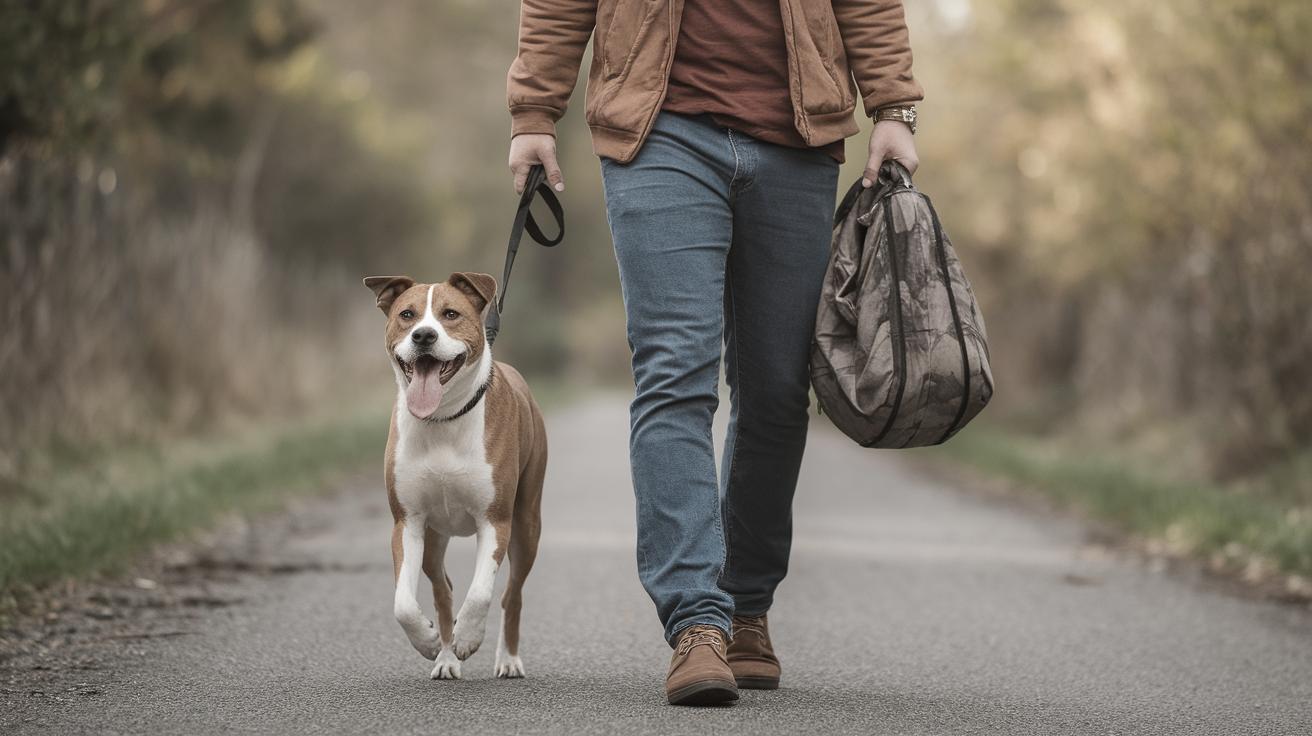
Why Does My Dog Follow Me Everywhere?
Understanding your dog’s shadowing behavior reveals deep insights into canine psychology and strengthens your human-animal bond through evidence-based solutions.
Why Your Dog Follows You
They Want to Be Close to You
One of the primary reasons your dog follows you is simply because they love you and enjoy your company. Dogs are pack animals by nature, and your family serves as their pack.
The desire to be near you is ingrained in their behavior, ensuring that they remain close to someone who provides security and comfort. Moreover, dogs are highly social creatures, and following you around might just be their way of participating in whatever you’re doing.
They Imprinted on You
Imprinting occurs during critical socialization periods when a dog develops a strong attachment during their formative weeks as a puppy. If they were raised in your home or spent a significant amount of time with you during their early life, they might regard you as a parental figure.
This imprinting means that your dog associates you with safety and care, leading them to follow you closely as they seek reassurance and protection. This attachment is generally benign but can manifest in clingy behavior if not addressed properly.
They Want a Treat
Savvy dogs quickly learn that following their owner might result in rewards, such as treats. If you’ve inadvertently reinforced this behavior by offering them a snack when they accompany you, they will naturally continue to do so in anticipation of another reward.
Over time, your dog may begin to expect treats for their companionship, intertwining their desire for food-motivated reinforcement with their devotion to you. Breaking this cycle can often require a switch from treat-based reinforcement to affection-based rewards.
They Have Separation Anxiety
Separation anxiety affects approximately 14% of dogs according to recent veterinary behavioral studies. If your dog follows you everywhere, they might be struggling with this form of anxiety, fearing that they will be left alone.
Dogs suffering from separation anxiety often display signs of distress, such as whining, destructive behavior, or excessive panting when they are about to be separated from you. Addressing these anxiety-driven habits can be crucial for the well-being of your dog.
They’re Curious
Curiosity is a natural trait, and dogs, being inquisitive creatures, may simply want to see what you’re up to. Your actions and environment might intrigue them, prompting them to stick close by to explore alongside you.
This curiosity-driven behavior can be quite harmless, but understanding when your dog is curious can help you engage their minds through alternate mental enrichment activities, satisfying their desire to learn and observe.
They’re Trying to Tell You Something
Your dog might be trying to communicate something important by following you, whether it’s a need for food, water, or a bathroom break. Their tailing might be a subtle communication signal that they require some attention.
Observing other accompanying signals, such as barking, pacing, or specific body language, can often help decode their message. Learning to interpret these canine communication cues can enhance the relationship between you and your dog.
They’re Afraid
Fear can drive your dog to stay by your side. Loud noises, unfamiliar environments, or even a recent change in their routine can make them anxious and in need of the comfort your presence provides.
In moments of fear, your dog views you as their primary protector, and by sticking close, they feel safer. Recognizing what triggers their fear can help you provide reassurance, gradually helping them build confidence and independence.
Understanding Canine Attachment Styles
Secure vs. Anxious Attachment
Canine attachment theory identifies different bonding patterns between dogs and their owners. Secure attachment allows dogs to explore independently while maintaining connection, whereas anxious attachment creates excessive following behaviors.
Research from the University of Vienna in 2024 shows that dogs with secure attachment demonstrate better stress resilience and adaptability. Understanding your dog’s attachment style helps tailor appropriate behavioral interventions.
Breed-Specific Following Tendencies
Certain breeds exhibit stronger following behaviors due to their genetic predisposition. Herding breeds like Border Collies and Australian Shepherds naturally shadow their families, while working breeds may follow to anticipate tasks.
Toy breeds often display velcro dog tendencies due to selective breeding for companionship. Understanding breed characteristics helps distinguish between normal behavior and problematic attachment issues.
How to Get Your Dog to Stop Following You
Provide Enrichment Activities
Introducing cognitive enrichment activities can distract your dog and keep them entertained. Puzzle toys, scent games, or training exercises can mentally stimulate your dog and fulfill their need for engagement.
These activities not only provide an enjoyable outlet but also empower your dog with mental challenges, reducing their reliance on your presence for entertainment and breaking co-dependent behavior patterns.
Make Sure They’re Getting Enough Exercise
Sufficient exercise is crucial for a well-rounded, happy dog. Most dogs require 30-120 minutes of daily activity depending on breed, age, and health status.
Regular walks, play sessions, and trips to the dog park can burn energy and engage their muscles, making them less inclined to cling to you and more likely to relax at home independently. Physical exhaustion often leads to mental contentment.
Gradual Independence Training
Encouraging your dog to spend short periods alone can foster independence. Start by creating positive associations with solitude, using special toys or treats, and gradually increasing the time apart.
Begin with 5-10 minute separations and slowly extend to longer periods. Your dog will learn that being alone isn’t scary, and you will return, helping them manage their anxiety and build emotional resilience.
Obedience Training and Boundary Setting
Obedience training can set clear boundaries and provide structure for your dog. Teaching basic commands like “stay,” “place,” or “wait” can guide them to feel comfortable at a distance.
Consistent training sessions reinforce your dog’s understanding of personal space, empowering them with the skills to relax and enjoy quiet time even when you’re not in sight. Positive reinforcement methods work most effectively.
Give Them a Safe Space
Designate a specific area where your dog feels secure, such as a cozy nook with their favorite bed or toys. This space should be their personal sanctuary, a place they can retreat to when they need rest or quiet.
Encouraging the use of this safe space can help your dog develop comfort in solitude, gradually diminishing the urge to follow you incessantly around the house. Make this area consistently available and comfortable.
Talk to a Professional
If your dog’s behavior continues to be a concern, consulting a professional, such as a certified veterinary behaviorist or qualified dog trainer, can provide deeper insights into their actions and underlying issues.
A professional can offer tailored solutions and interventions that suit your dog’s specific needs, ensuring that both you and your pup are comfortable and content with your living dynamics. Early intervention prevents escalation of problematic behaviors.
Advanced Behavioral Modification Techniques
Counter-Conditioning Methods
Counter-conditioning involves changing your dog’s emotional response to being alone or separated from you. This technique pairs positive experiences with independence, gradually shifting their association from anxiety to contentment.
Start by giving high-value treats or engaging toys only when your dog is in their designated space away from you. This creates positive neural pathways associated with independence and solitude.
Desensitization Protocols
Systematic desensitization gradually exposes your dog to increasing levels of separation in a controlled manner. Begin with micro-separations of just seconds, slowly building tolerance over weeks or months.
This evidence-based approach, recommended by the American Veterinary Society of Animal Behavior, helps dogs overcome separation anxiety through gradual exposure therapy rather than flooding techniques.
When Following Behavior Indicates Health Issues
Medical Causes of Clingy Behavior
Sudden changes in following behavior may indicate underlying health conditions. Cognitive dysfunction syndrome in senior dogs, vision or hearing loss, and pain conditions can increase dependency behaviors.
If your dog’s shadowing behavior appears suddenly or intensifies dramatically, consult your veterinarian to rule out medical causes. Early detection of health issues improves treatment outcomes significantly.
Age-Related Behavioral Changes
Senior dogs often develop increased attachment behaviors due to cognitive decline or sensory impairments. Understanding age-related changes helps distinguish between behavioral issues and natural aging processes.
Puppies may also exhibit intense following during critical socialization periods. Both life stages require specialized management approaches tailored to developmental needs.
Building Healthy Independence
Creating Structured Routines
Establishing predictable daily routines helps dogs feel secure even when separated from their owners. Consistent feeding, exercise, and rest schedules provide stability and reduce anxiety-driven following.
Dogs thrive on routine because it creates predictability in their environment. When they know what to expect, they’re less likely to shadow you constantly seeking reassurance and guidance.
Positive Reinforcement Strategies
Reward independent behaviors immediately when they occur naturally. If your dog chooses to lie down away from you or plays independently, acknowledge and reinforce these moments with praise or treats.
Avoid accidentally reinforcing following behavior by giving attention when your dog shadows you. Instead, focus on rewarding calm, independent choices to shape desired behaviors over time.
Future Prospects and Long-Term Management
| Reason for Following | Primary Solution | Timeline for Improvement | Success Indicators |
|---|---|---|---|
| Desire for companionship | Provide enrichment activities | 2-4 weeks | Independent play, relaxed demeanor |
| Imprinting or attachment | Gradual independence, obedience training | 4-8 weeks | Comfortable alone time, reduced anxiety |
| Seeking treats | Switch from treats to affection-based rewards | 1-3 weeks | Following decreases, responds to verbal praise |
| Separation anxiety | Gradual independence, professional consultation | 6-12 weeks | Calm departures, no destructive behavior |
| Curiosity | Enrichment activities, exercise | 2-3 weeks | Engaged with toys, less human-focused |
| Communication needs | Learn pet signals, provide essentials timely | 1-2 weeks | Clear communication patterns established |
| Fear-based following | Identify triggers, provide safe space | 4-6 weeks | Increased confidence, reduced startle response |
Expert Recommendations for 2025
Technology-Assisted Training
Modern pet technology offers innovative solutions for managing following behaviors. Smart cameras with two-way audio allow owners to monitor and interact with dogs during separation, gradually building independence.
Interactive puzzle feeders and automated treat dispensers can provide mental stimulation and positive associations with alone time. These tools support evidence-based behavioral modification when used appropriately.
Holistic Wellness Approaches
Integrating physical exercise, mental stimulation, and emotional well-being creates comprehensive solutions for excessive following behaviors. Balanced nutrition, adequate sleep, and stress management all contribute to behavioral stability.
Consider incorporating calming supplements, aromatherapy, or anxiety-reducing products as adjunct therapies when recommended by veterinary professionals. Holistic approaches often yield the most sustainable results.
Understanding why your dog follows you everywhere empowers you to strengthen your bond while promoting healthy independence. Through patience, consistency, and appropriate interventions, you can help your canine companion develop confidence and security that benefits both of you for years to come.