
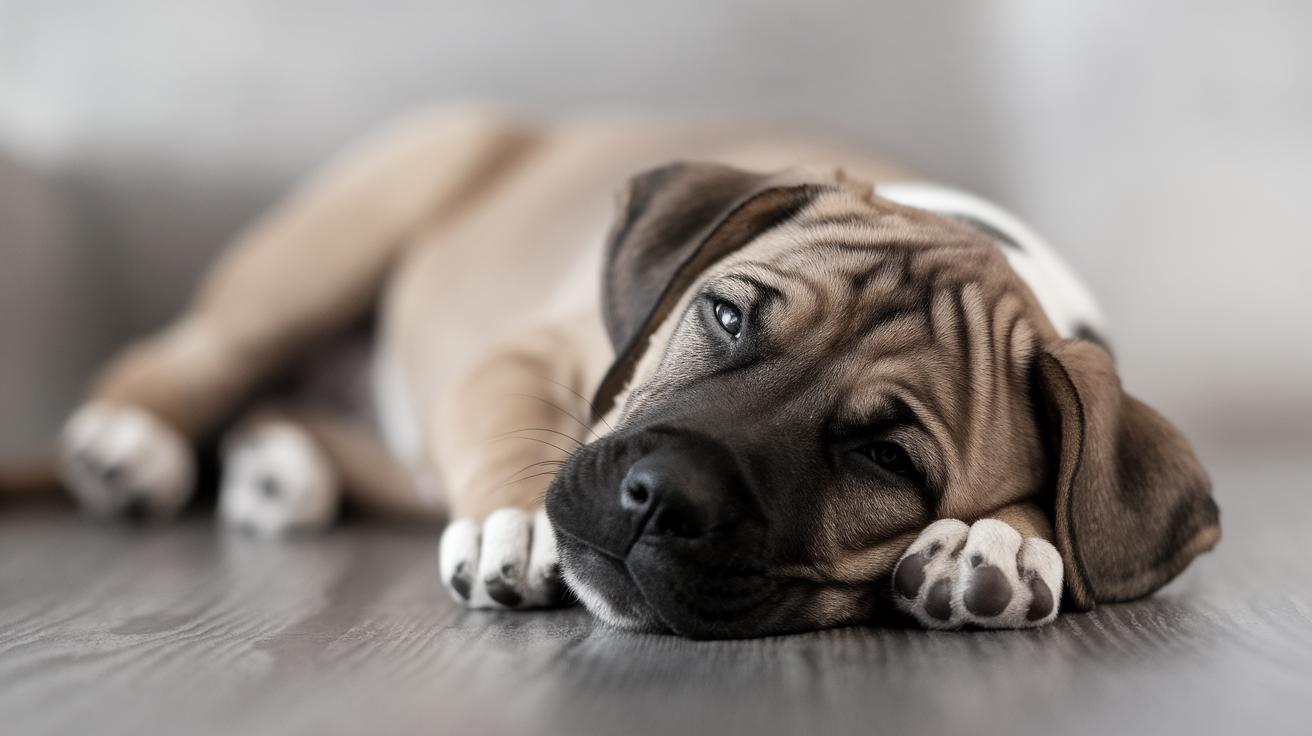
How Long Do Puppies Sleep?
Puppies require 18-20 hours of daily sleep for optimal growth and development. Understanding your puppy’s sleep patterns ensures proper health, behavior, and developmental milestones throughout their crucial early months.
How Long Should Puppies Sleep
Puppies typically sleep between 18 to 20 hours per day, significantly more than adult dogs who average 12-14 hours. This extensive sleep duration is completely normal and essential for their rapid physical and neurological development during the first year of life.
During these critical rest periods, puppies’ bodies release growth hormones that facilitate muscle development, bone strengthening, and immune system maturation. Their brains simultaneously process new information absorbed while awake, consolidating memories and establishing neural pathways essential for learning, socialization, and behavioral development.
Sleep quality is equally important as quantity. Puppies experience both REM and non-REM sleep cycles, with REM sleep crucial for brain development and memory consolidation. Providing a quiet, comfortable sleeping environment supports these natural sleep cycles and promotes healthy growth patterns.
Why Do Puppies Sleep So Much
Several physiological and developmental factors contribute to puppies’ extended sleep requirements. Rapid growth rates demand enormous energy expenditure, with puppies potentially doubling their birth weight within the first week and continuing accelerated growth for months.
Puppies exhibit burst energy patterns – intense periods of activity followed by necessary recovery phases. Their immature nervous systems tire quickly from processing sensory input, social interactions, and environmental stimuli. Sleep allows cellular repair, protein synthesis, and energy restoration essential for healthy development.
Neurological development occurs primarily during sleep, with brain tissue growing rapidly during the first 16 weeks. Sleep deprivation can significantly impact cognitive development, learning capacity, and behavioral regulation in growing puppies.
Puppy Sleep Patterns by Development Stage
Understanding how sleep needs evolve helps owners provide appropriate care throughout different developmental phases. Newborn puppies (0-2 weeks) sleep up to 22 hours daily, waking primarily for nursing and elimination.
Transitional period puppies (2-4 weeks) maintain 20-22 hours of sleep as their eyes and ears open, gradually becoming more aware of their surroundings. Socialization period puppies (4-12 weeks) typically sleep 18-20 hours, with increased waking periods for exploration and learning.
Juvenile puppies (3-6 months) gradually reduce sleep to 16-18 hours daily, while adolescent puppies (6-12 months) transition toward adult sleep patterns of 12-16 hours. Individual breed characteristics, size, and temperament influence these general timelines.
Puppy Sleep Chart By Age
A comprehensive understanding of age-specific sleep requirements helps establish realistic expectations and proper care routines. Consistent sleep schedules support healthy circadian rhythm development and behavioral stability.
Creating an optimal sleeping environment involves temperature control (68-72°F), minimal noise disruption, comfortable bedding, and designated sleep areas. Sleep consistency during these developmental phases establishes lifelong healthy sleep habits and reduces anxiety-related behavioral issues.
| Age Range | Daily Sleep Hours | Key Developmental Features |
|---|---|---|
| 0-2 weeks (Neonatal) | 20-22 hours | Eyes/ears closed, nursing focus |
| 2-4 weeks (Transitional) | 20-22 hours | Sensory development, mobility increase |
| 4-12 weeks (Socialization) | 18-20 hours | Learning, exploration, training readiness |
| 3-6 months (Juvenile) | 16-18 hours | Rapid growth, increased activity |
| 6-12 months (Adolescent) | 14-16 hours | Sexual maturity, adult patterns emerging |
When Can Puppies Sleep Through The Night
Most puppies develop the ability to sleep through the night by 16 weeks of age, though individual variation exists based on breed size, temperament, and training consistency. Smaller breeds may require longer adjustment periods due to faster metabolisms and smaller bladder capacity.
Establishing a structured bedtime routine accelerates nighttime sleep development. This includes final feeding 2-3 hours before bedtime, bathroom breaks immediately before sleep, calming activities like gentle brushing, and consistent sleep timing.
Crate training significantly supports nighttime sleep success by providing security, preventing accidents, and establishing clear sleep boundaries. Gradual crate acclimation during daytime naps builds positive associations before nighttime implementation.
Common Puppy Sleep Challenges and Solutions
Sleep disruptions commonly occur during developmental transitions, environmental changes, or health issues. Excessive whining, restlessness, or difficulty settling may indicate discomfort, anxiety, or medical concerns requiring attention.
Separation anxiety frequently manifests during sleep times, particularly when puppies transition from littermates to individual sleeping arrangements. Gradual independence training and comfort items help ease this transition.
Maintaining consistent sleep schedules, even during weekends or schedule changes, supports circadian rhythm stability and reduces behavioral issues associated with sleep disruption.
Signs of Healthy vs. Concerning Sleep Patterns
Healthy sleep indicators include regular sleep-wake cycles, peaceful rest without excessive movement, appropriate response to gentle waking, and normal energy levels during active periods.
Concerning sleep patterns may include excessive lethargy beyond normal puppy sleep needs, difficulty waking, irregular breathing during sleep, frequent sleep interruptions, or dramatic changes in established sleep patterns.
Monitor for signs of sleep disorders such as sleep apnea (more common in brachycephalic breeds), narcolepsy, or REM sleep behavior disorders that may require veterinary evaluation and intervention.
Optimizing Your Puppy’s Sleep Environment
Creating an ideal sleep environment involves multiple factors contributing to sleep quality and duration. Temperature regulation, noise control, lighting management, and comfortable bedding all influence sleep effectiveness.
Sleep surface selection should consider your puppy’s size, age, and preferences. Orthopedic support becomes important for larger breeds, while smaller puppies may prefer enclosed, den-like spaces for security.
Location consistency helps establish sleep associations and reduces anxiety. Whether using crates, dog beds, or designated sleep areas, maintaining the same sleeping location supports routine development and behavioral stability.
FAQ
How do I know if my puppy is getting enough sleep?
A well-rested puppy displays appropriate energy levels during wake periods, settles easily for naps, maintains regular sleep schedules, and shows normal growth and development patterns. Overtired puppies often become hyperactive, nippy, or difficult to settle.
Should I wake my sleeping puppy?
Generally, avoid waking sleeping puppies unless necessary for feeding schedules, bathroom breaks, or safety concerns. Natural wake cycles support healthy development, though structured schedules may require gentle waking for house training purposes.
Can puppies sleep too much?
While puppies naturally require extensive sleep, excessive lethargy beyond normal ranges may indicate health issues, inadequate nutrition, or illness. Consult veterinary professionals if sleep patterns dramatically exceed normal ranges or include concerning symptoms.
How does breed size affect puppy sleep needs?
Larger breed puppies often require slightly more sleep due to rapid growth demands, while smaller breeds may have more frequent wake periods due to faster metabolisms and smaller stomach capacity requiring more frequent feeding.
Stop Googling – Ask a Real Vet
While comprehensive online resources provide valuable insights, they cannot replace professional veterinary expertise. If you’re concerned about your puppy’s sleep patterns, behavior changes, or health indicators, always seek consultation from a licensed veterinarian who can provide personalized advice considering your puppy’s specific breed, age, health history, and individual needs.
Was this article helpful?
We strive to provide helpful and accurate information to support you in your journey of raising a happy and healthy puppy. If you have any more questions or insights to share, we would love to hear from you!
Thank you for your feedback
Your feedback helps us improve and tailor our content to better suit your needs. We appreciate your efforts in helping us grow our community of pet lovers.
Summary of Main Points
| Section | Main Points |
|---|---|
| How Long Should Puppies Sleep | Puppies need 18 to 20 hours of sleep per day for growth and development, with sleep quality equally important as quantity. |
| Why Do Puppies Sleep So Much | High growth rates, neurological development, and burst energy patterns require extended rest periods for cellular repair and brain development. |
| Puppy Sleep Chart By Age | Sleep needs decrease from 22 hours (newborn) to 14-16 hours (adolescent) as puppies mature through developmental stages. |
| When Can Puppies Sleep Through The Night | By 16 weeks, most puppies can sleep through the night with consistent routines, crate training, and proper scheduling. |
| Sleep Environment Optimization | Temperature control, comfortable bedding, location consistency, and noise management support quality sleep and healthy development. |
| FAQ | Professional veterinary consultation recommended for sleep concerns; normal patterns vary by breed, size, and individual development. |