
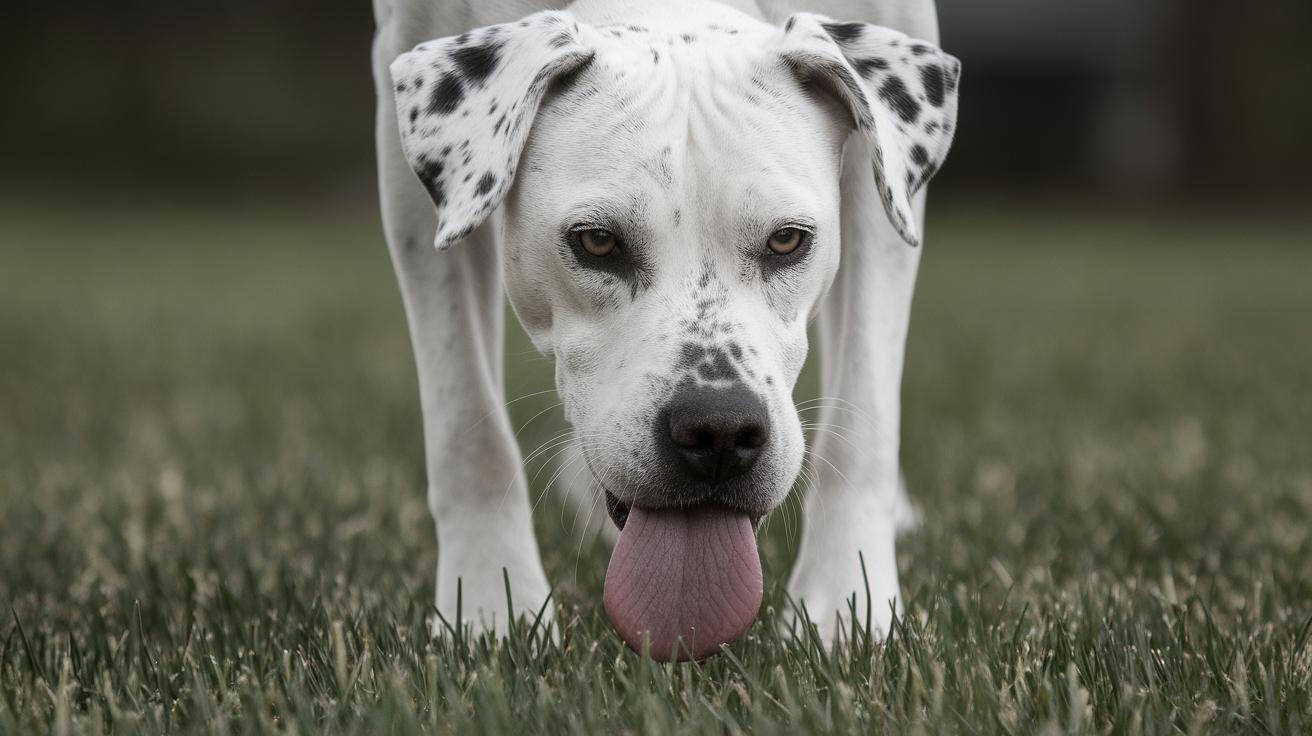
Dogs licking feet is a natural behavior rooted in canine communication, bonding instincts, and sensory exploration that affects over 85% of dog owners.
Why Do Dogs Lick Your Feet?
Canine foot licking behavior stems from multiple biological and psychological factors that veterinary behaviorists have extensively studied. Your feet contain concentrated pheromones and scent markers that provide your dog with detailed information about your emotional state, health, and daily activities.
When dogs lick human feet, they’re engaging in affiliative behavior – a bonding mechanism that releases endorphins in both the dog and human. This oxytocin response strengthens the human-animal bond and creates positive associations. The salty taste from natural perspiration also appeals to dogs’ taste preferences, as sodium is an essential mineral they instinctively seek.
Submissive signaling represents another key motivation behind foot licking. Dogs demonstrate respect for pack hierarchy through this grooming behavior, acknowledging your leadership role. Additionally, attention-seeking behavior often reinforces this habit when owners respond with petting, talking, or other forms of engagement.
Biological Reasons Behind Foot Licking
Scent investigation drives much of this behavior, as dogs possess 300 million olfactory receptors compared to humans’ 6 million. Your feet carry complex scent profiles from shoes, socks, floors, and environmental exposure that create a “scent map” for your dog to analyze.
Stress relief and self-soothing mechanisms also contribute to foot licking patterns. Dogs experiencing anxiety, boredom, or overstimulation may engage in repetitive licking behaviors as a coping strategy, similar to human nervous habits.
Should I Let My Dog Lick My Feet?
Hygiene considerations should guide your decision about allowing foot licking behavior. While occasional licking poses minimal health risks for healthy individuals, feet can harbor bacteria, fungi, and environmental contaminants that may affect your dog’s oral health.
Behavioral boundaries become crucial when foot licking escalates to obsessive levels. Excessive licking may indicate underlying anxiety disorders, compulsive behaviors, or medical conditions requiring veterinary evaluation. Setting consistent limits prevents the development of problematic habits while maintaining your bond.
Individual comfort levels vary significantly among dog owners and household members. Consider family preferences, guests’ reactions, and cultural factors when establishing household rules about foot licking behavior.
Health Implications of Foot Licking
Bacterial transmission represents the primary health concern, as dogs’ mouths contain over 600 bacterial species. While most are harmless, certain pathogens can cause infections in individuals with compromised immune systems or open wounds.
Allergic reactions may occur in sensitive individuals exposed to dog saliva proteins. Symptoms can include skin irritation, redness, or respiratory responses in severely allergic people.
How Do I Stop My Puppy From Licking My Feet?
Wear Socks or Shoes to Break the Habit
Physical barriers provide immediate prevention while establishing new behavioral patterns. Consistently wearing socks or closed-toe shoes eliminates access to bare skin and reduces the rewarding aspects of foot licking.
Texture aversion often develops when dogs encounter fabric instead of skin, naturally discouraging the behavior. Choose socks with different textures or materials that dogs find less appealing than bare feet.
If Your Dog Licks Your Feet Then Give Them Something Else to Do!
Redirection techniques prove highly effective when implemented consistently and immediately. The moment your dog approaches your feet, engage them with commands like “sit,” “stay,” or “fetch” to redirect their focus toward appropriate behaviors.
Positive reinforcement training strengthens alternative behaviors through treats, praise, and attention. Reward your dog within 3 seconds of performing the desired behavior to create strong neural pathways and behavioral associations.
Give Them a Toy to Lick on Instead
Appropriate licking outlets satisfy your dog’s natural urges while protecting your feet. Puzzle toys, lick mats, and textured chew toys provide mental stimulation and oral satisfaction that replaces foot licking behavior.
Fill Kong toys or similar products with dog-safe spreads, frozen treats, or kibble to create engaging alternatives. Rotate toys regularly to maintain novelty and prevent boredom-related behaviors.
Advanced Training Techniques for Persistent Lickers
Clicker training methods offer precise timing for behavior modification. Use a clicker to mark the exact moment your dog chooses not to lick your feet, followed immediately by high-value treats and enthusiastic praise.
Environmental management involves removing triggers and creating success scenarios. Identify specific situations that prompt foot licking and modify your environment to reduce these opportunities while your dog learns alternative behaviors.
Fun & Easy Puppy Training App
Digital training tools provide structured guidance and progress tracking for behavior modification. Modern puppy training apps offer step-by-step protocols, video demonstrations, and personalized training schedules that address specific behavioral challenges like excessive licking.
Interactive features in quality training apps include progress tracking, reminder systems, and community support that enhance training consistency and success rates.
The Number 1 App Dedicated to Puppy Training
Comprehensive training platforms combine expert knowledge with user-friendly interfaces to deliver professional-quality training guidance. Look for apps featuring certified dog trainer content, behavior tracking capabilities, and evidence-based training methodologies.
Community support features connect you with other dog owners facing similar challenges, providing motivation, tips, and shared experiences that enhance your training journey and problem-solving capabilities.
When to Consult a Professional
Compulsive licking behaviors require professional intervention when they persist despite consistent training efforts. Veterinary behaviorists can identify underlying medical conditions, anxiety disorders, or neurological issues contributing to excessive licking patterns.
Warning signs include licking that continues for extended periods, causes skin irritation, interferes with daily activities, or accompanies other behavioral changes like aggression, withdrawal, or appetite loss.
Medical Evaluation Considerations
Underlying health conditions such as allergies, gastrointestinal issues, or nutritional deficiencies may manifest through increased licking behaviors. A thorough veterinary examination can rule out medical causes before focusing solely on behavioral interventions.
Medication options may be appropriate for dogs with diagnosed anxiety disorders or compulsive behaviors that don’t respond to training alone. Anti-anxiety medications, combined with behavior modification, often provide the most effective treatment approach.
Related Articles
- Dog Muzzle Training: The Do’s and Don’ts
- My Puppy Is Eating Stones: How Do I Stop This?
- Why Do Dogs & Puppies Bite Their Paws?
- My Puppy Grinds Their Teeth: Is This Normal?
- My Puppy Is Eating Everything: Help!
- Why is My Puppy Biting Their Tail?
- How to Stop a Puppy Nipping
- Why Puppies Bite Feet and How to Stop It
- How to Stop a Puppy Determined to Chew on Everything
- How to Stop Your Puppy Biting You If You Have Tried Everything!
Next Steps
| Topic | Summary |
|---|---|
| Why Do Dogs Lick Your Feet? | Dogs lick feet for bonding, scent investigation, and stress relief. This natural behavior involves pheromone detection, taste preferences, and pack hierarchy communication. |
| Should I Let My Dog Lick My Feet? | Consider hygiene factors, behavioral boundaries, and family comfort levels. Monitor for obsessive patterns that may indicate underlying anxiety or medical conditions. |
| How Do I Stop My Puppy From Licking My Feet? | Use physical barriers, redirection techniques, and appropriate alternatives like lick toys. Implement positive reinforcement training and consider professional help for persistent behaviors. |